

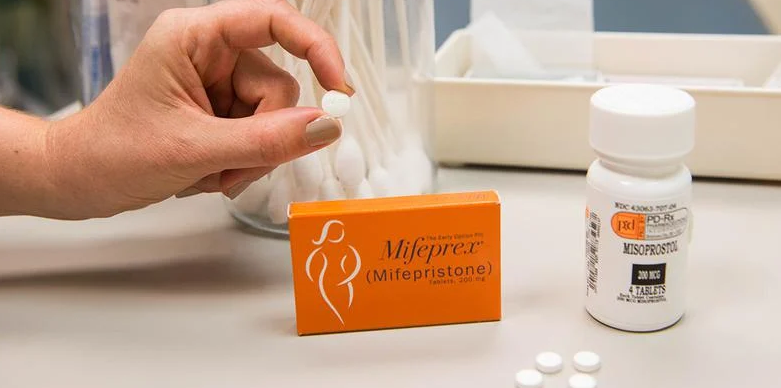
Pharmacy giant Walgreens has announced that it will no longer distribute abortion medication in 20 states across the country. This decision comes after intense pressure from lawmakers and legal battles over the legality of medication abortions. Specifically, the company will not be dispensing mifepristone, which is the first of two drugs used in the medication abortion process. This move follows a letter sent by GOP attorneys general in the affected states on February 1st.
Walgreens will no longer sell abortion pills in 20 states across the US after warnings from Republican attorneys general https://t.co/37z2pUq7Ha
— Bloomberg (@business) March 3, 2023
In a statement released by Walgreens, the company explained that it plans to remain a certified pharmacy and will only distribute mifepristone in jurisdictions where it is both legal and feasible to do so. This announcement has been met with support from anti-abortion advocates who see it as a step towards protecting the sanctity of life.
On the other hand, pro-choice activists have criticized Walgreens’ decision, saying that it will limit access to safe and legal abortions for women in these 20 states. They argue that medication abortions are a safe and effective way for women to terminate a pregnancy, particularly in states where access to abortion clinics is limited.
Despite these concerns, Walgreens has stated that its decision is based solely on legal and operational considerations. The company’s move highlights the ongoing debate surrounding abortion rights in the United States and the role of private companies in providing healthcare services.

This decision by Walgreens is also expected to have a ripple effect across the industry, potentially leading other pharmacies to re-evaluate their policies around distributing abortion medication. As the debate over abortion rights continues to unfold, it remains to be seen how private companies will navigate this contentious issue while balancing their legal obligations and corporate values.