

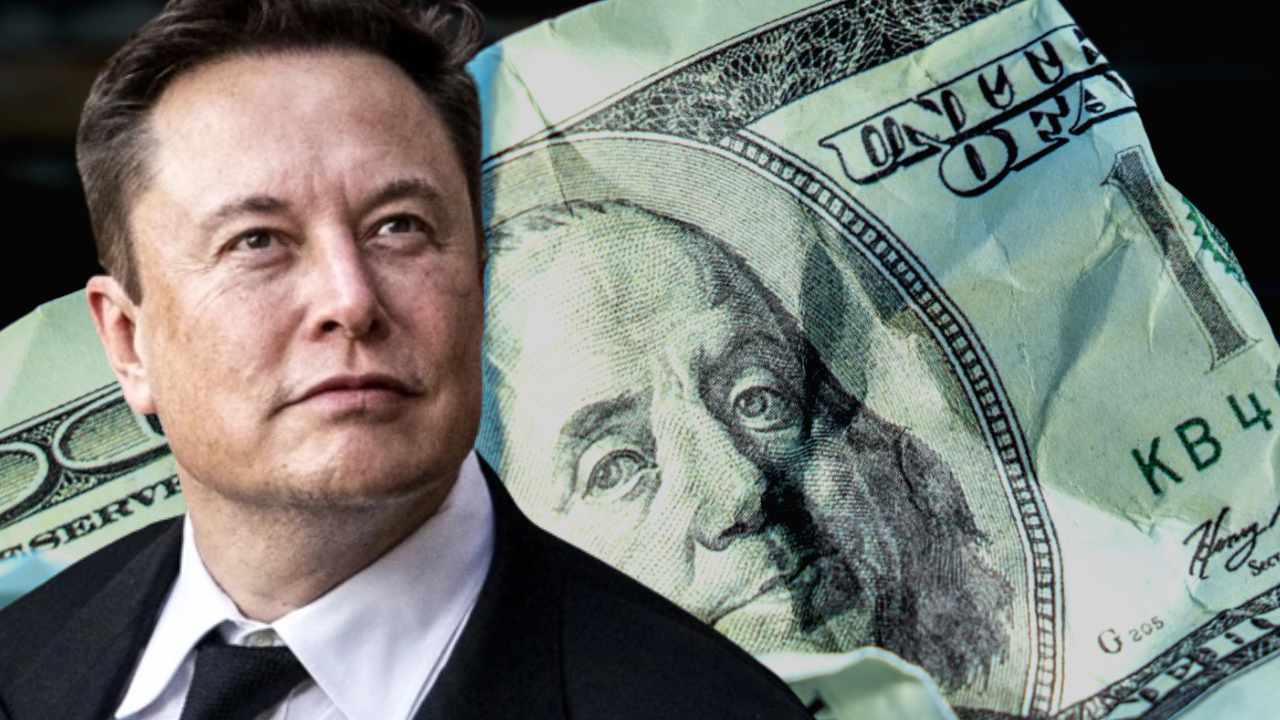
Elon Musk, the billionaire CEO of Tesla, SpaceX, and Twitter, recently appeared on Tucker Carlson’s show and shared his thoughts on inflation. According to Musk, inflation occurs when the government increases the money supply, which reduces the value of the currency. However, he also asked a rhetorical question – if printing more money could be done without negative consequences, why not make everyone a trillionaire?
Elon Musk: No ‘magical cure for inflation’https://t.co/jj6h8g2VE3
— FOX Business (@FoxBusiness) April 19, 2023
Musk’s statement is a reflection of the ongoing debate about the role of the government in controlling inflation. On one hand, some argue that governments should increase the money supply to stimulate the economy. On the other hand, others warn that this can lead to inflation and ultimately hurt the economy.
Musk’s argument is based on the assumption that printing more money can be done without negative consequences. However, history has shown that this is not the case. In fact, Musk himself pointed to Venezuela as an example of what can happen when a government prints too much money.
Venezuela’s economy was once one of the strongest in South America, thanks to its vast oil reserves. However, in recent years, the country has been plagued by hyperinflation, with prices increasing by thousands of percentage points. The government’s decision to print more money to pay for social programs and other expenses is one of the main reasons for this inflation.
Musk’s comments have sparked a debate about the role of the government in controlling inflation. Some believe that governments should focus on controlling inflation and stabilizing the economy. Others argue that governments should prioritize social programs and other initiatives, even if it means printing more money.
In conclusion, Elon Musk’s recent comments on inflation and printing money have sparked a debate about the role of the government in controlling the economy. While Musk argues that printing more money can make everyone a trillionaire, history has shown that this approach can lead to disastrous consequences, as seen in Venezuela. As such, it is important for governments to strike a balance between stimulating the economy and controlling inflation.