

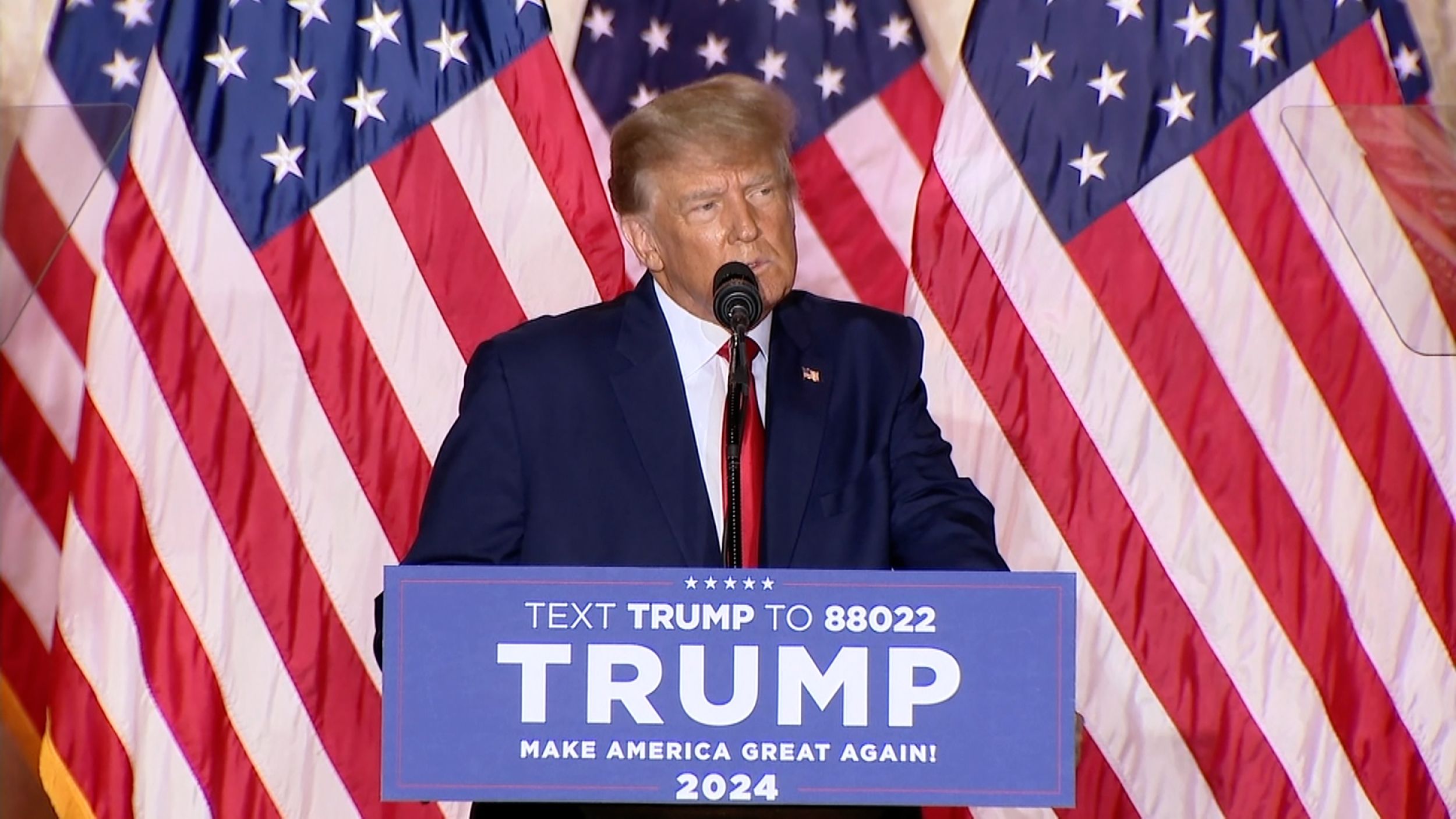
In 2016, then-candidate Donald Trump promised to take a hard line on immigration, vowing to build a wall along the southern border and crack down on illegal immigration. As President, he followed through on those promises, implementing policies that sought to secure the border and protect American jobs. Now, as he considers another run for the presidency in 2024, Trump is unveiling his immigration policy for the next four years.
At the heart of Trump’s immigration policy is his commitment to securing the border. He has pledged to complete the construction of the border wall, which he says is essential to stopping illegal immigration and drug trafficking. In addition, Trump has promised to hire more Border Patrol agents and increase funding for technology and infrastructure along the border.
Another key component of Trump’s immigration policy is his plan to crack down on visa fraud and abuse. He has called for stricter vetting of visa applicants and increased enforcement of visa regulations to ensure that only those who are eligible to work in the United States are granted visas. Trump has also pledged to end the Diversity Visa Lottery, which he says is a flawed program that allows for unchecked immigration.
Trump’s immigration policy also focuses on protecting American workers. He has promised to implement policies that prioritize American workers for jobs and to reduce the number of foreign workers coming to the United States. Trump has called for an overhaul of the H-1B visa program, which he says is used to bring in low-wage workers to replace American workers. He has also called for an end to the Optional Practical Training program, which allows foreign students to work in the United States after graduation.
Critics of Trump’s immigration policy say that it is too harsh and will harm immigrant families. They argue that his plan to end the Diversity Visa Lottery and reduce the number of legal immigrants allowed into the country will be detrimental to the economy and harm American businesses. They also say that his plan to crack down on illegal immigration will lead to increased deportations and separations of families.
However, Trump and his supporters argue that his immigration policy is necessary to protect American jobs and national security. They say that his plan to secure the border and crack down on visa fraud and abuse will ensure that only those who are eligible to work in the United States are granted visas. They also argue that reducing the number of foreign workers will create more opportunities for American workers and help to reduce unemployment.
In conclusion, Trump’s immigration policy for 2024 is a comprehensive plan to secure our borders and protect American jobs. It focuses on completing the border wall, cracking down on visa fraud and abuse, and protecting American workers. While some critics argue that it is too harsh and will harm immigrant families, Trump and his supporters say that it is necessary to protect American jobs and national security. As the 2024 election approaches, immigration policy will undoubtedly be a key issue, and Trump’s plan will be at the forefront of the debate.