

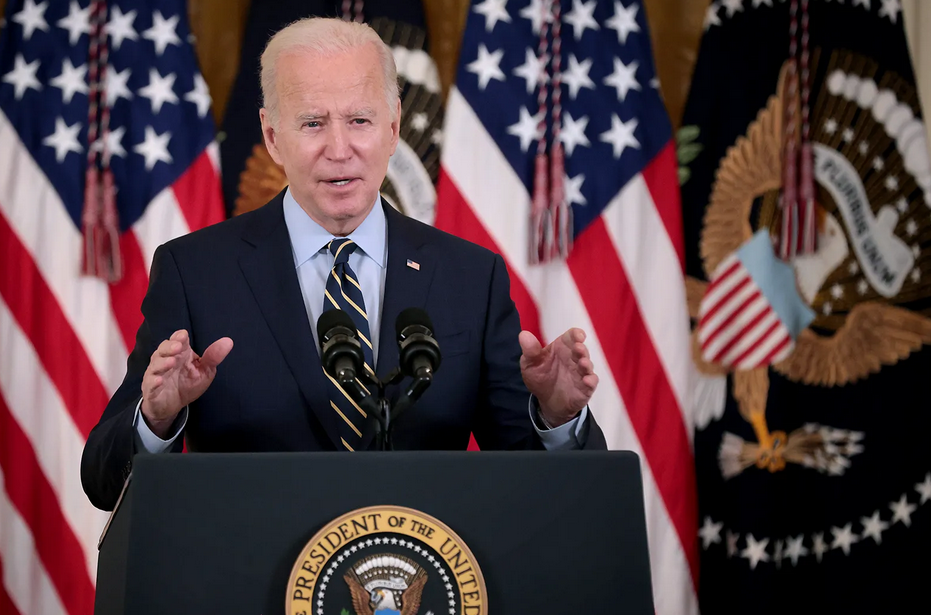
President Joe Biden is facing criticism for vetoing a bipartisan plan that would have restored United States tariffs on solar panels made in China. The plan, which enjoyed widespread support in Congress, aimed to address concerns that Chinese manufacturers were avoiding U.S. tariffs by routing their products through southeast Asian countries.
In June 2022, Biden imposed a 24-month tariff moratorium on solar panel imports from Cambodia, Thailand, Vietnam, and Malaysia. However, Commerce Department officials suspect that the panels are actually made in China and being routed through the four southeast Asian nations to avoid U.S. tariffs.
Late last month and earlier this month, the House and Senate passed a Congressional Review Act resolution that would have restored U.S. tariffs on solar panel imports. However, Biden vetoed the resolution this week, siding with suspected Chinese solar manufacturers.
President Biden vetoed a resolution that would have restored tariffs on solar panels imported from certain Southeast Asian countries, saying that the resolution would undermine his administration’s efforts to create a strong domestic solar supply chain. https://t.co/kbr9pNICjR
— The Washington Post (@washingtonpost) May 16, 2023
Critics have slammed Biden’s veto, arguing that it will allow Chinese manufacturers to continue to evade U.S. tariffs and harm American solar panel manufacturers. They say that the administration’s reluctance to impose tariffs on China is undermining the competitiveness of domestic industries and hurting American workers.
Supporters of the veto argue that the moratorium is necessary to promote renewable energy and address climate change. They say that imposing tariffs on solar panels from China and southeast Asian countries would be counterproductive and harm the global effort to transition to clean energy.
The debate over solar panel tariffs is part of a larger conversation about the U.S. relationship with China and ongoing concerns about intellectual property theft and unfair trade practices. As solar energy becomes increasingly important for both economic and environmental reasons, the stakes are high for both American and Chinese manufacturers.
In conclusion, Biden’s veto of a bipartisan plan to restore U.S. tariffs on solar panels made in China has sparked controversy and criticism. The move has been slammed by critics who say that it will harm domestic industries and workers. Supporters argue that the tariff moratorium is necessary to promote renewable energy and address climate change.