

Robots have been the stuff of science fiction for decades, and it seems like every day we get closer to the day when they will become a reality. While some may consider it a golden age, one thing is for certain: humanoid robots have been coming out of the woodwork since Tesla announced its intentions to build one back in the summer of 2021.
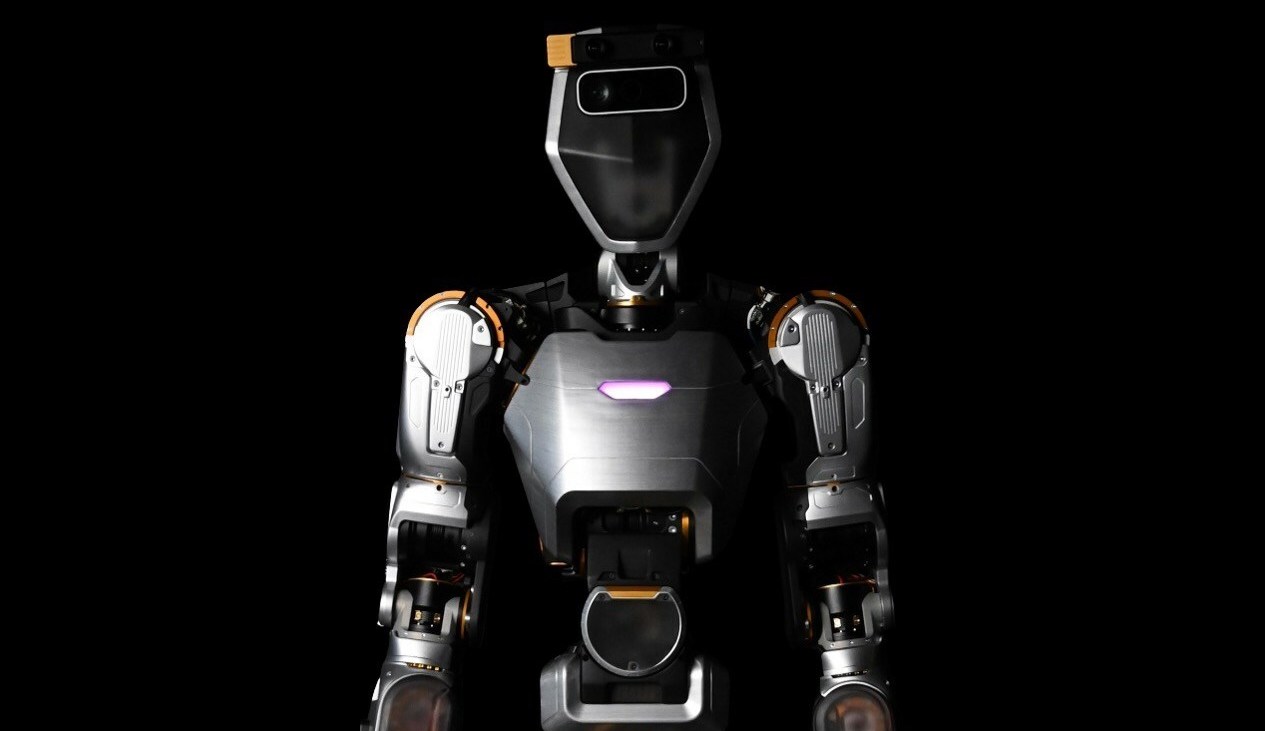
Today, we’re taking a look at Sanctuary AI, a Vancouver-based firm that just unveiled Phoenix, its own stab at the humanoid robot form factor. The bipedal robot stands 5’7″ and weighs 155 pounds – making it not dissimilar from the humans it plans to augment (or replace, depending on who you ask).
Introducing Phoenix: a revolutionary humanoid general-purpose robot designed for work. Read the full news release: https://t.co/8YBFrInWzs
Phoenix is the first humanoid to be powered by Carbon, a pioneering AI control system, and represents a giant leap forward in our mission to… pic.twitter.com/VPBIkbyIYH
— Sanctuary AI (@TheSanctuaryAI) May 16, 2023
Phoenix is designed to lift payloads up to 55 pounds and travel up to three miles per hour. But what really sets it apart is the complex hands with 20 degrees of freedom that rival human hand dexterity and fine manipulation. Its proprietary haptic technology mimics the sense of touch, making it ideally suited to performing delicate tasks that require the human touch.
Back in March, Sanctuary AI deployed Phoenix’s predecessor at a Mark’s retail store just outside of its native Vancouver. The fifth-generation system completed “110 retail-related [tasks], including front and back-of-store activities such as picking and packing merchandise, cleaning, tagging, labeling, folding and more.” The limited pilot lasted a week and was considered a great success.
While it’s still too early to say what the future holds for humanoid robots like Phoenix, it’s clear that they have the potential to change the way we live and work in profound ways. We may not be living in a golden age, but with companies like Sanctuary AI making steady progress, it feels like we’re inching ever closer.