

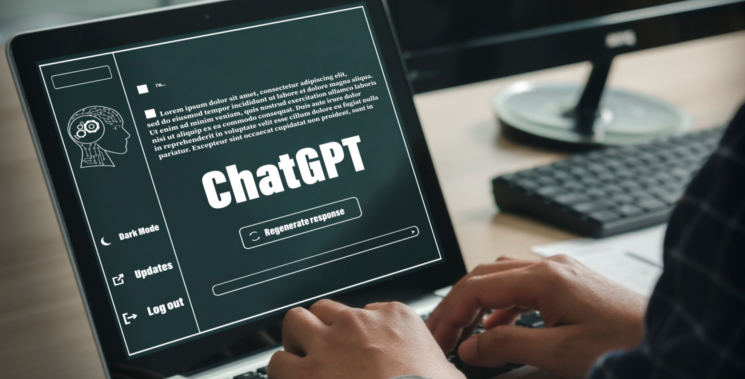
The U.S. Supreme Court’s upcoming ruling on whether or not Alphabet Inc’s YouTube can be sued over video recommendations may have consequences for AI chatbots like ChatGPT. This could determine whether generative AI chatbots are protected from legal claims like defamation or privacy violations.
Algorithms that power generative AI tools like ChatGPT operate in a similar way as those that suggest videos to YouTube users, according to technology and legal experts. The ruling will decide whether social media platforms and companies developing generative AI chatbots should be held responsible for the content they recommend or generate.
AI chatbots could be impacted by Supreme Court's ruling in Section 230 casehttps://t.co/PmD9ACIeed
— FOX Business (@FoxBusiness) April 25, 2023
There’s a lot at stake, as generative AI chatbots are beginning to transform the way we interact with technology. They’re being used for customer service, mental health, education, and entertainment.
With more and more industries relying on these tools, there is a growing concern about who should be held responsible for their actions. The debate is over whether the organization of information available online through recommendation engines is significant enough to shape the content and become liable.
This raises the question of whether generative AI chatbots like ChatGPT should be held to the same legal standards as social media platforms. The Supreme Court’s decision could impact the future of AI chatbots. If Section 230 protections are weakened, companies developing these tools may need to rethink their approach to avoid potential legal issues. The ruling will have important implications for the future of technology and its ability to innovate.
In conclusion, the Supreme Court’s ruling on Section 230 protections will set a precedent for AI chatbots like ChatGPT. It will determine whether companies developing these tools should be held responsible for the content they recommend or generate. As generative AI chatbots continue to evolve, this ruling will have a major impact on the way we interact with technology.