

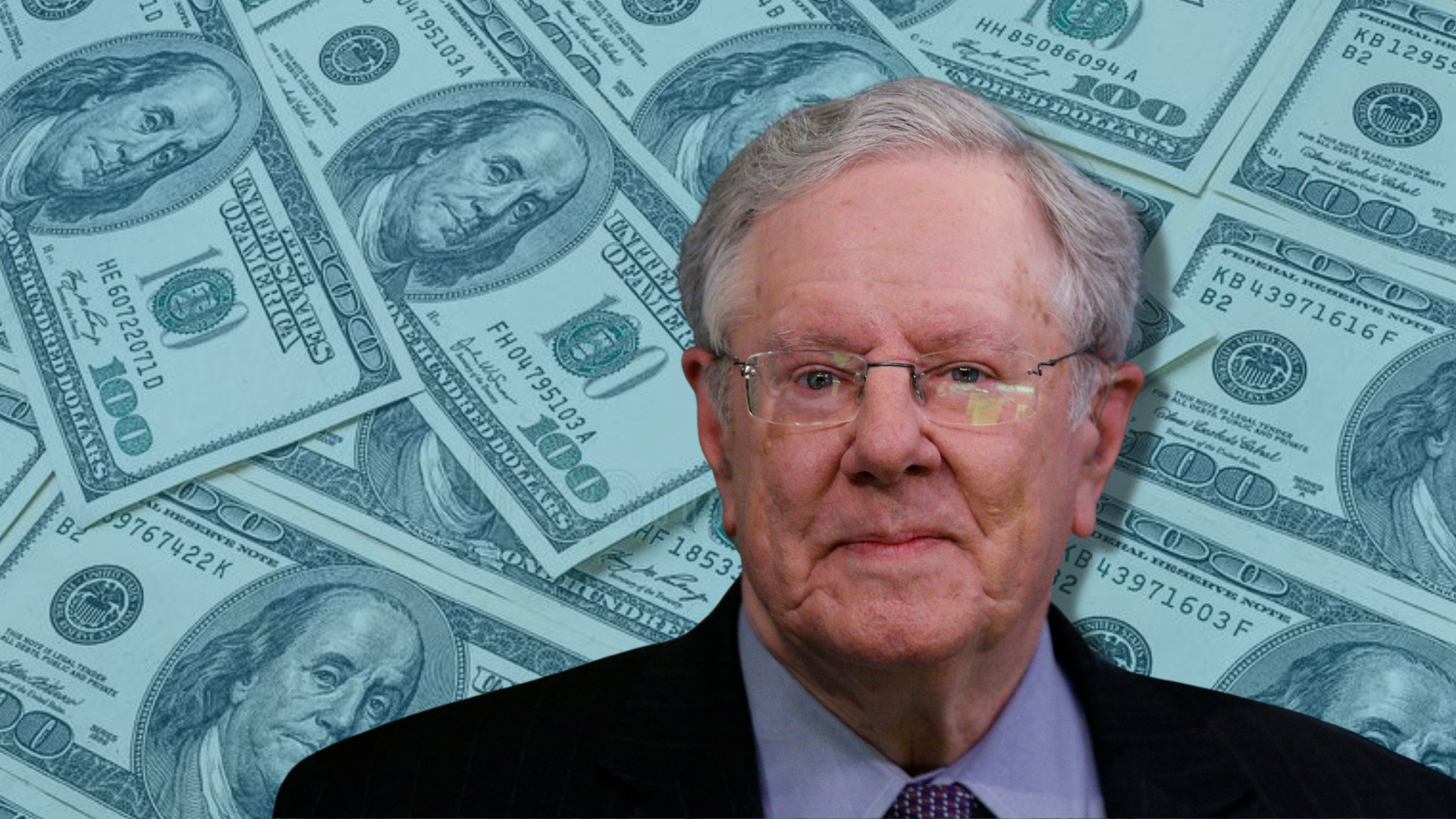
In a recent interview with Newsmax, Steve Forbes, the chairman and editor-in-chief of Forbes Media, made a passionate plea for a significant revamp of the U.S. tax code. Forbes minced no words, describing the current tax code as nothing short of “a disgrace” and asserting that urgent action is needed to simplify and make it fairer.
According to Forbes, one of the main issues plaguing the current tax code is its complexity. It has become a labyrinthine maze that burdens both individuals and businesses, making compliance a daunting task. Moreover, Forbes highlighted the unfairness inherent in the system, which disproportionately favors certain groups and undermines the principles of equity and justice.
But the problems with the tax code do not stop there. Forbes contends that it discourages investment and stifles economic growth. He argues that by imposing high tax rates and convoluted regulations, the code hampers businesses’ ability to thrive and expand, ultimately hindering job creation and economic prosperity.
To address these pressing concerns, Forbes proposes a range of reforms. First and foremost, he advocates for simplifying the tax code by reducing the number of brackets and lowering rates. Such streamlining would not only alleviate the compliance burden but also create a more transparent and easily navigable system. Additionally, Forbes emphasizes the importance of making the tax code fairer by eliminating loopholes and deductions that primarily benefit the wealthy. By doing so, the code would ensure a level playing field for all taxpayers, fostering a more equitable society.
Forbes firmly believes that overhauling the tax code would have far-reaching positive effects on the economy. By simplifying the system, businesses would find it easier to invest, innovate, and create jobs. A fairer tax code would also enhance public trust and confidence in the system, promoting economic growth and stability.
The call for tax reform made by Forbes resonates with many economists and business leaders who share his concerns about the current tax code’s detrimental impact on the economy. They argue that meaningful reform is necessary to eliminate the barriers that hinder growth and unlock the nation’s true economic potential.
While it remains uncertain whether Congress will heed Forbes’s call for action, his plea serves as a stark reminder of the urgent need to address the myriad problems plaguing the current tax system. In addition to the issues highlighted by Forbes, another factor contributing to the inefficiency of the tax code is the exorbitant cost incurred by the Internal Revenue Service (IRS) in collecting taxes. The billions of dollars spent on administration could be redirected towards funding essential government programs. Therefore, simplifying the tax code would not only promote fairness and efficiency but also yield substantial savings and enhance overall effectiveness.
Reforming the tax code is undoubtedly a complex and formidable task. However, its significance cannot be overstated. A simpler, fairer, and more efficient tax code would invigorate economic growth, generate employment opportunities, and provide tangible benefits for all Americans. By addressing the current system’s shortcomings, the United States can pave the way for a more prosperous and equitable future.