

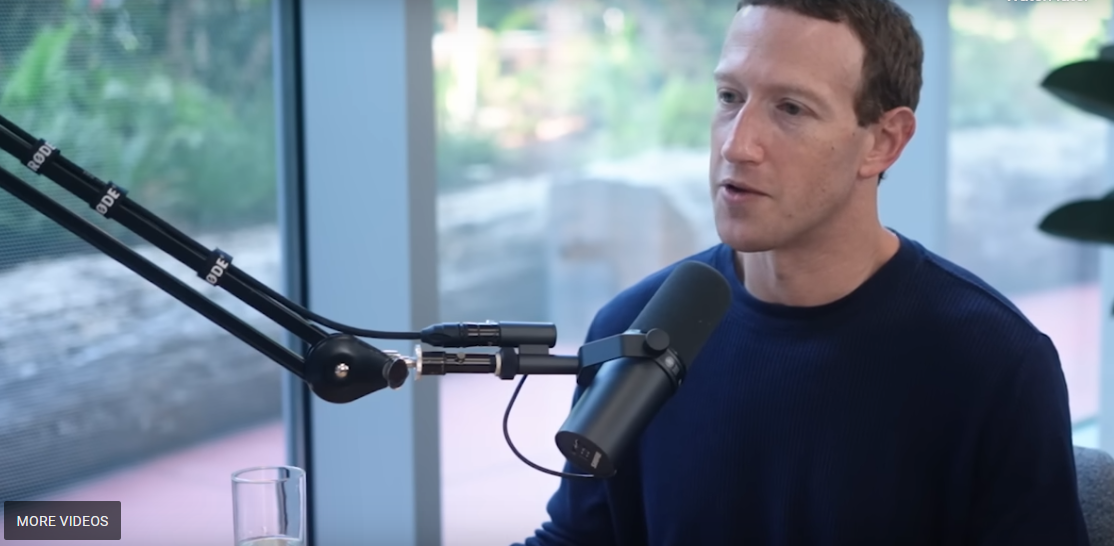
In a recent interview on the “Lex Fridman Podcast,” Mark Zuckerberg, the CEO of Meta, the parent company of Facebook and Instagram, expressed his opinion on the challenges of handling misinformation during the coronavirus pandemic. According to Zuckerberg, it was a mistake for the establishment to censor skepticism that later turned out to be either true or open for debate. He highlighted the difficulties in distinguishing between obviously false information and statements that may be factually incorrect but not necessarily harmful.
The issue of misinformation has been a contentious one, and Zuckerberg acknowledged the complexities involved in its identification and management on social media platforms. He raised the question of whether it is justified to censor individuals simply for being wrong, particularly when their statements do not have any harmful implications. The CEO emphasized the need to navigate through a multitude of real issues and challenges in tackling misinformation effectively.
Mark Zuckerberg admits the establishment censored coronavirus skepticism that ended up being true or debatable: 'It really undermines trust' https://t.co/xzt9955HNJ
— TheBlaze (@theblaze) June 10, 2023
Zuckerberg cited the early days of the COVID-19 pandemic as an example of the complexities surrounding misinformation. He acknowledged that during that time, there were real health implications associated with certain claims, but there hadn’t been enough time to thoroughly verify all the scientific assumptions. This posed a dilemma for platforms like Facebook and Instagram, which were tasked with addressing misinformation while also considering the evolving nature of scientific understanding.
The interview shed light on the ongoing struggle to strike the right balance between freedom of expression and the need to combat misinformation. Zuckerberg’s remarks highlight the nuanced nature of the issue, urging a cautious approach in addressing false or misleading information.
While the debate on how to handle misinformation continues, it is clear that Zuckerberg believes in the importance of considering the potential harm before taking action. The responsibility lies with platforms to carefully evaluate the impact of misinformation and determine the appropriate measures to combat it without stifling open dialogue.
In conclusion, Mark Zuckerberg, CEO of Meta, expressed his belief that it was a mistake for the establishment to censor skepticism during the coronavirus pandemic without thoroughly assessing its validity and potential harm. He emphasized the challenges faced by platforms like Facebook and Instagram in distinguishing between false information and statements that are factually incorrect but not necessarily harmful. As the battle against misinformation continues, finding a balance between freedom of expression and combating false claims remains a crucial task.