

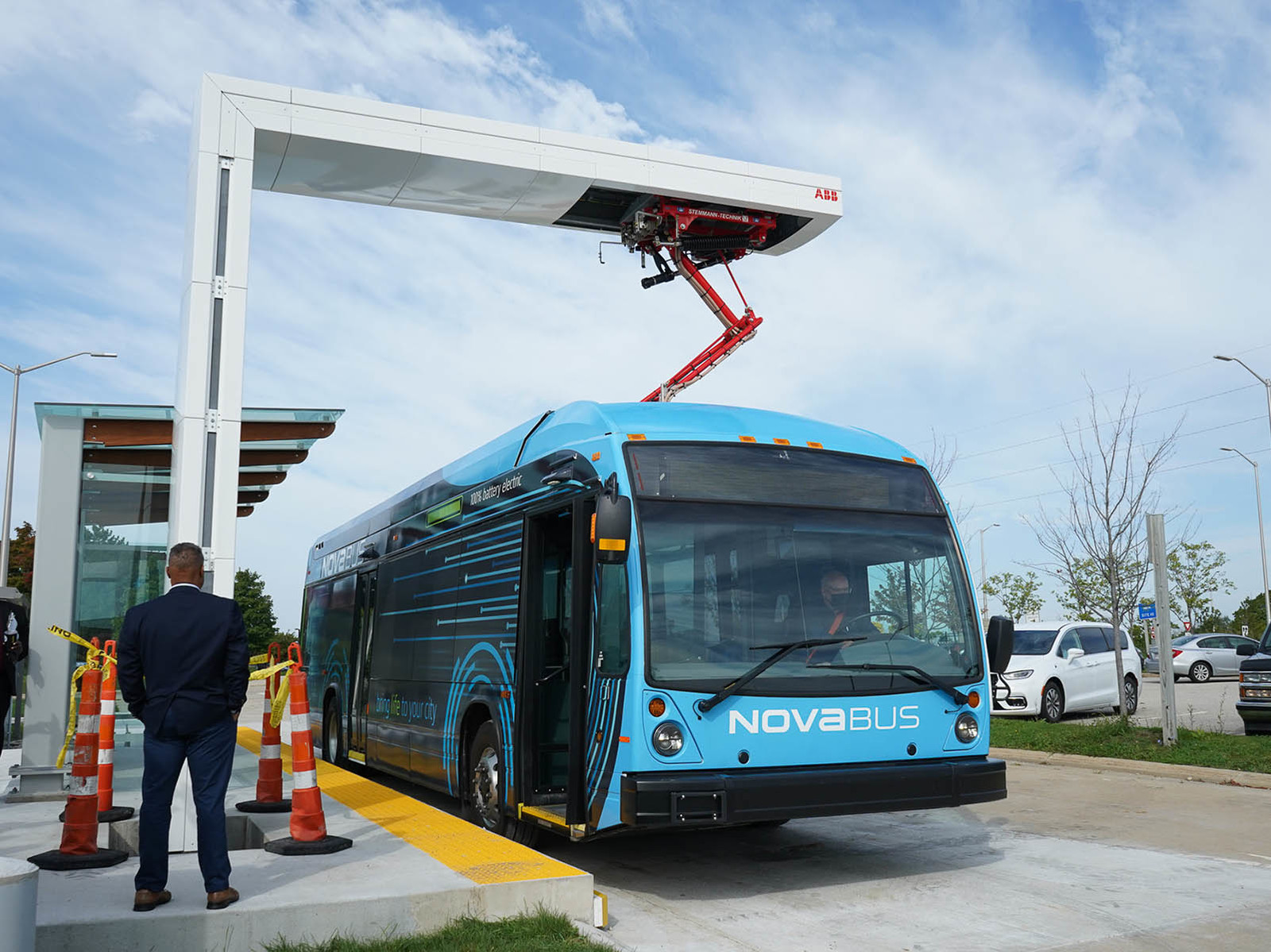
In a major push towards combating climate change, the U.S. Department of Transportation is allocating a staggering $1.7 billion in grants to support the purchase of zero- and low-emission buses. This generous funding will be utilized by transit projects across 46 states and territories, facilitating the acquisition of approximately 1,700 buses manufactured in the United States. What’s more, close to 50% of these new vehicles will boast zero carbon emissions, solidifying their status as environmentally friendly alternatives.
The financial backing for these grants stems from the 2021 bipartisan infrastructure bill, a significant legislative accomplishment championed and signed into law by President Joe Biden. Recognizing the pressing need to mitigate the impact of climate change, the Democratic president has placed a great emphasis on expanding the use of electric vehicles, particularly in schools and public transit systems. By providing a substantial allocation of funds towards the purchase of zero-emission buses, President Biden and his administration are taking tangible steps towards a greener future.
Transportation Secretary Pete Buttigieg expressed his enthusiasm for this ambitious endeavor, stating during a call with reporters, “Every day, millions of Americans climb aboard over 60,000 buses to get to work, to school, doctor’s appointments, everywhere they need to be.” He further emphasized the significance of this initiative by adding, “These are unprecedented levels of investment when it comes to putting modern cleaner buses on the road.”
The impact of this funding is far-reaching. Transit agencies, as well as state and local governments, will be empowered to modernize their fleets, ensuring a greener and more sustainable transportation infrastructure. By embracing zero- and low-emission buses, communities across the nation can make substantial progress in reducing carbon emissions and improving air quality.
With this substantial injection of funds, transit agencies and local governments can make substantial progress in transitioning to cleaner and more sustainable transportation options. Not only will this lead to a significant reduction in harmful emissions, but it will also contribute to improving the overall well-being of the communities they serve. Cleaner air and reduced noise pollution are just a few of the benefits that will be realized as a result of this remarkable initiative.
In conclusion, the U.S. Department of Transportation’s allocation of almost $1.7 billion in grants for zero- and low-emission buses is a monumental step towards curbing climate change and promoting sustainable transportation. President Biden’s commitment to expanding the use of electric vehicles, coupled with the bipartisan infrastructure bill, has paved the way for unprecedented investment in cleaner buses. This funding will revolutionize transit systems, ensuring a greener and healthier future for communities across the country.