

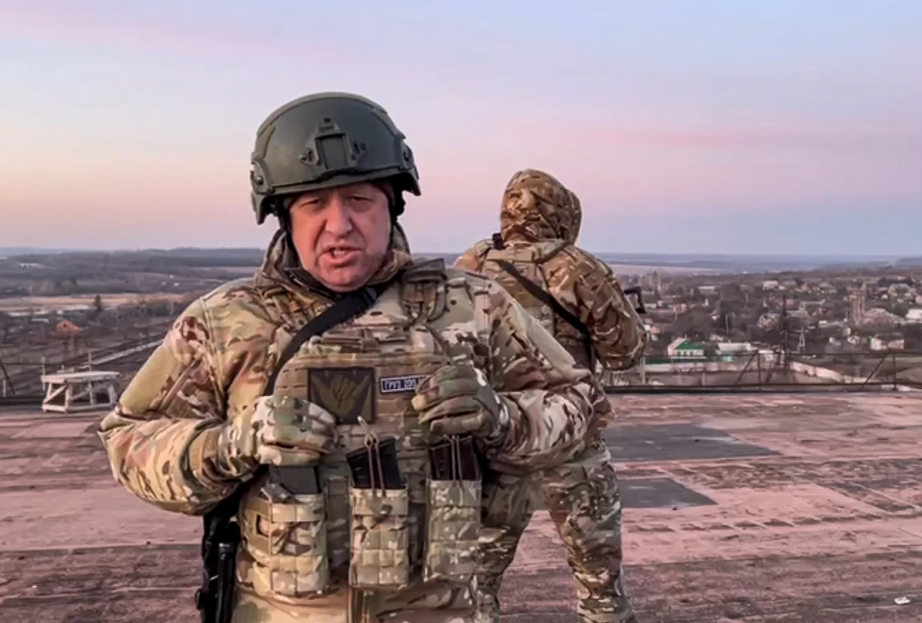
An uprising led by Russia’s prominent paramilitary group, the Wagner Group, against Kremlin officials has come to an unexpected halt. The group’s leader, Yevgeny Prigozhin, who was once a confidant of President Vladimir Putin, has gone into exile in neighboring Belarus. The swift conclusion of this challenge to Putin’s authority followed months of simmering tensions between the Wagner Group and the Russian military brass.
The situation escalated rapidly on Friday when Prigozhin released a video in which he called for the removal of top defense officials. However, he denied any intentions of staging a coup against Putin. By Saturday morning, the Wagner Group, consisting of approximately 25,000 private military personnel, had managed to capture the southern city of Rostov and started their march towards Moscow.
But within a matter of hours, Prigozhin made a surprising announcement. He declared that his troops would turn back, thanks to a deal brokered by Belarus. Prigozhin himself departed for Belarus, while the Kremlin dropped charges of treason and extended amnesty to the Wagner Group soldiers. This deal effectively ended what many experts considered to be the most significant threat to Putin’s leadership since he assumed power in 2000.
The Kremlin says Wagner Group leader Yevgeny Prigozhin will move to Belarus and face no prosecution in the deal that ended his rebellion. https://t.co/QvKsZRwscp
— The Associated Press (@AP) June 24, 2023
While analysts continue to speculate about the motivations behind Prigozhin’s sudden reversal, one theory suggests that he may have overestimated the level of popular support for his cause once his forces were already en route to Moscow. Furthermore, it has been reported that US intelligence had detected signs of the uprising beforehand.
This dramatic series of events highlights the delicate balance of power within Russia and the potential challenges that can arise even for a leader as seemingly unassailable as Putin. The Wagner Group, known for its involvement in conflicts around the world, has proven to be a force to be reckoned with. Despite its brief uprising, it ultimately succumbed to the authority of the Kremlin.
In conclusion, the brief but intense uprising by Russia’s Wagner Group against top defense officials has ended unexpectedly with its leader, Yevgeny Prigozhin, seeking refuge in Belarus. The situation highlighted tensions within the Russian military hierarchy and momentarily threatened President Putin’s grip on power. However, the prompt intervention of Belarus and the decision to drop charges against Wagner Group troops swiftly diffused the crisis. While the motivations behind Prigozhin’s actions remain the subject of speculation, this episode serves as a reminder that even the most powerful leaders can face challenges from within their ranks.