

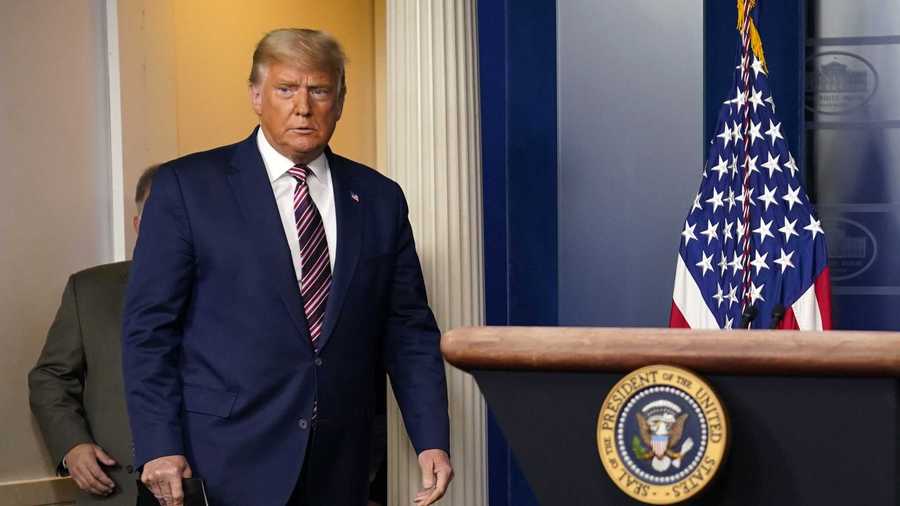
In a recent turn of events, the Secret Service has closed its investigation into the cocaine discovered at the White House, leaving former President Trump disappointed. The substance, which was found earlier this month, was confirmed to be cocaine after thorough analysis. However, despite their efforts, the Secret Service say they were unable to identify a suspect due to a lack of concrete evidence. Former President Trump expressed his dismay during an exclusive town hall interview with Sean Hannity on Fox News.
Former President Trump voiced his disappointment regarding the closure of the investigation. In his conversation with Sean Hannity, he conveyed his frustration, stating, “It is very disappointing that the Secret Service closed the investigation without identifying who the cocaine belongs to. I believe they know who is responsible.” Trump’s concern over the incident stems from his desire for accountability and maintaining the integrity of the White House.
Secret Service Investigation:
The Secret Service initiated an investigation immediately after the discovery of the illicit substance. Their primary objective was to determine how the cocaine entered the White House premises and identify the person responsible. However, despite their best efforts, the agency was supposedly unable to gather sufficient physical evidence to pinpoint a suspect conclusively.
BREAKING: The U.S. Secret Service has closed its investigation into the bag of cocaine that was discovered at the White House earlier this month, but was unable to identify a suspect "due to a lack of physical evidence," the agency said. https://t.co/jYesDjqEFD
— CBS News (@CBSNews) July 13, 2023
Former President Trump expressed his disappointment over the Secret Service’s closure of the White House cocaine investigation. While the agency confirmed the presence of cocaine, the lack of concrete evidence prevented them from identifying the responsible party. Although the closure leaves the matter unresolved, it highlights the Secret Service’s commitment to integrity and adherence to investigative protocols. As we await further developments, the incident serves as a reminder of the challenges faced by law enforcement agencies in complex cases.