

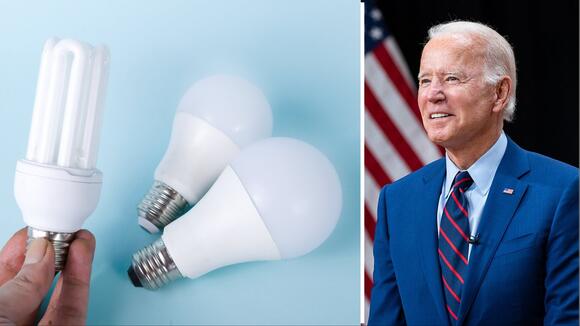
In a notable development that will have far-reaching consequences for all Americans, the Biden administration is set to implement a controversial incandescent light bulb ban, scheduled to take effect on Tuesday, August 1. Under this new regulation, stores across the country will be prohibited from selling the traditional and inexpensive incandescent light bulbs that have been fixtures in American homes for generations.
The move comes as part of the administration’s efforts to promote energy efficiency and reduce carbon emissions. Instead of the familiar incandescent bulbs, consumers will now be required to opt for more expensive alternatives like LED or compact fluorescent light bulbs. The decision has already stirred a heated debate, with strong opinions on both sides.
NEW: Biden admin moving forward with light bulb bans in coming weeks https://t.co/1dmEQEEiRd
— RNC Research (@RNCResearch) April 2, 2023
Proponents of the ban argue that the transition to energy-efficient bulbs will have a positive impact on the environment, lowering energy consumption and greenhouse gas emissions. They contend that this change is an essential step in the fight against climate change and a vital move towards a greener and more sustainable future.
However, critics are voicing concerns over the financial burden that this switch will impose on American households. The cost disparity between incandescent bulbs and their LED or fluorescent counterparts is a pressing issue for many families, particularly those on fixed incomes or with limited resources. Some argue that this ban disproportionately affects lower-income communities, as they may struggle to afford the more expensive lighting options.
Moreover, opponents of the ban contend that the government should not dictate the choices available to consumers when it comes to household lighting. They argue for individual liberty and the right to choose the products that best fit their preferences and needs.
As the implementation date draws near, citizens are grappling with these contrasting perspectives. The lighting industry is also bracing for significant changes as manufacturers adapt to the demand for new energy-efficient options.
In conclusion, the Biden Regime’s incandescent light bulb ban is a contentious move that has sparked a nationwide conversation on energy policy, environmental impact, and consumer freedom. While some view it as a necessary step toward a cleaner and more sustainable future, others are wary of the financial burden it places on households and the potential infringement on personal choice.