

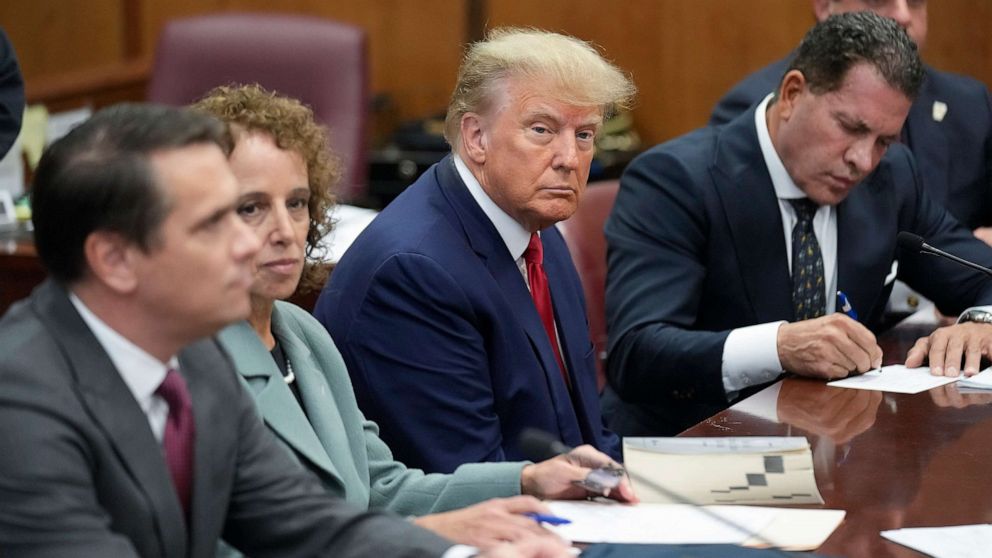
In a bold move that showcases his determination to bring transparency to the legal battles surrounding him, former President Donald Trump and his legal team are turning the spotlight onto his trial proceedings. The focus of this strategy is Jack Smith’s controversial “insurrection” case, which has ignited intense debates across the nation. Trump’s decision to demand televised coverage of the trial has ignited a firestorm of speculation and discussion, with far-reaching implications.
While I may not always see eye-to-eye with Trump’s legal tactics, this particular move strikes me as nothing short of brilliant. By insisting on cameras in the courtroom for his trial, Trump is essentially forcing a new level of accountability into the proceedings. After all, it’s challenging to orchestrate a biased or unfair trial when the eyes of the world are upon you. This audacious maneuver aims to shatter any semblance of a kangaroo court and aims to ensure that justice is served transparently and fairly.
However, the true significance of Trump’s demand goes beyond mere courtroom optics. It taps into a much larger and polarizing issue that has gripped the nation ever since the 2020 presidential election – the question of election fraud. The trial, in this case, involves claims of election fraud related to the events of January 6. By insisting on televised coverage, Trump is giving the American people an unprecedented opportunity to hear all the evidence surrounding these allegations firsthand.
The crux of this strategy lies in the potential revelation of evidence related to election fraud. This demand for transparency places the spotlight squarely on the claims that have fueled countless debates, discussions, and even divisions. Supporters and critics alike will be tuning in, eager to hear the evidence and arguments presented in the courtroom.
Of course, the elephant in the room is the existing prohibition on cameras in federal courtrooms. The pivotal question that hangs in the balance is whether the judge overseeing the case will make an exception in Trump’s trial. This raises complex legal and ethical considerations, with potentially far-reaching consequences for future court proceedings.
As we reflect on this story, it’s worth noting the timing of its viral explosion. The initial report may have been published last month, but its impact didn’t truly resonate until recently. Perhaps this delay in virality can be attributed to the changing landscape of the case. With the indictment now in play, every strategic move in Trump’s defense becomes magnified in significance.
Interestingly, the report originated from the Independent, a British media outlet known for its relatively unbiased reporting on American events. This choice of source underscores the degree to which media bias has seeped into American journalism, particularly on matters involving Trump.
Trump demands cameras in courtroom for his trial on hoarded secret documents | The Independent. Trump knows the world will be watching. What’s coming will be relevant to us all and will exposé everything. #Trump #Courtroom #USA https://t.co/VkTSuorhi2
— Jim Ferguson (@JimFergusonUK) August 5, 2023
In conclusion, Trump’s decision to demand cameras in the courtroom for his trial is a bold maneuver that carries significant implications. Beyond the immediate impact on the trial itself, this move dives headfirst into the contentious topic of election fraud. The world will be watching closely as the legal drama unfolds, and the judge’s decision regarding cameras could set a precedent for future cases.