

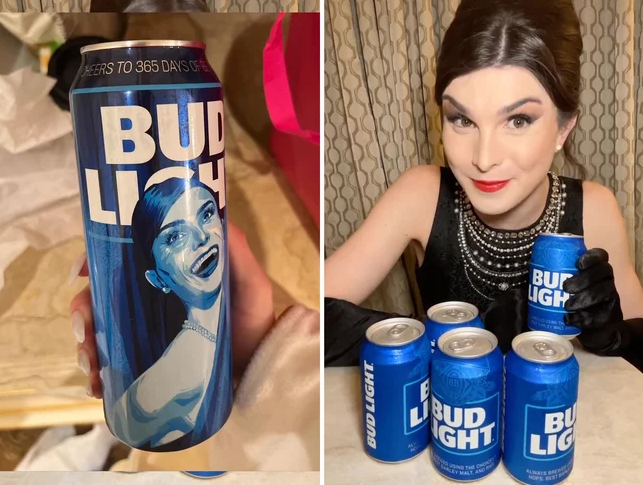
The recent uproar surrounding Bud Light’s collaboration with transgender influencer Dylan Mulvaney has ignited a fiery debate about the intersection of politics and consumerism. This unexpected clash between beer and social issues has shed light on a growing sentiment among Americans who are fed up with companies delving into the political arena.
In an exclusive interview on a popular morning show, Mosaic Advertising Owner Tim Cramer shared his insights on this brewing controversy. He delved into the deeper implications of this incident, arguing that consumers are rejecting the injection of politics and “wokeness” into their purchasing decisions. Cramer stated, “We’re witnessing the repercussions of what we’ve termed ‘Bidenomics,’ a confluence of diversity, equity, and inclusion. We’ve aptly named the proponents of this approach as ‘deadheads,’ with inclusion being the omitted ‘D-E-D.’ Just as Trump aptly pointed out, everything they influence seems to deteriorate. And that’s precisely what’s transpiring here.”
The backlash against Bud Light and its alignment with a transgender influencer underscores the palpable frustration felt by a significant portion of the population. Critics argue that corporations should focus on their core products rather than veering into the realm of social and political matters. The incident has resonated with consumers who believe that their wallets are their means of expression – a way to communicate their stance against the pervasive infiltration of political ideologies.
TAPPED OUT: Anheuser-Busch heir blasts Bud Light ad campaign with transgender activist. https://t.co/eFjpZfOzWR pic.twitter.com/vPWzahh9Fp
— Fox News (@FoxNews) August 6, 2023
This contentious episode raises crucial questions about the responsibility and role of brands in society. Are companies genuinely representing the values of their consumers, or are they exploiting social issues for profit? Cramer’s perspective sheds light on an emerging trend: a growing desire for separation between commerce and politics. This movement, fueled by consumers, seeks to draw a clear line between the products they purchase and the political narratives they encounter.
In a world where social media amplifies every move a brand makes, Bud Light’s partnership with Dylan Mulvaney serves as a cautionary tale. It exemplifies the fine balance that companies must strike between staying relevant and respecting the diverse opinions of their customer base. While some argue for the importance of brands taking a stand on social issues, others vehemently oppose the intrusion of political agendas into the consumer experience.
As the Bud Light controversy continues to unfold, it’s evident that this incident will not be an isolated one. American consumers are making a resounding statement – they want their purchasing decisions to remain free from the entanglements of political ideology. The clash between Bud Light and the backlash it’s facing serves as a wake-up call for brands, urging them to reassess their approach to engaging with societal issues.
In the end, Bud Light’s partnership with a transgender influencer has become more than just a business move. It has ignited a broader conversation about the role of corporations in shaping societal discourse. The power of the consumer voice has never been clearer – when it comes to their favorite products, Americans are resolute in their desire to keep politics out of the equation.