

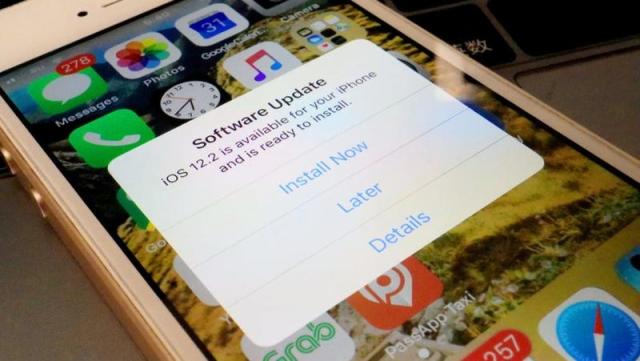
In a significant turn of events for iPhone users, justice is on the horizon as the tech behemoth faces the aftermath of a groundbreaking lawsuit. Nearly three million pre-2018 model iPhone owners are about to receive compensation ranging from $310 million to a staggering $500 million. The backdrop to this unfolding saga is the much-publicized 2018 class action lawsuit, branding the controversy as “batterygate.”
Some iPhone owners will soon be getting around $65 from Apple over its 'batterygate' scandal https://t.co/4xpqtUwG8P
— Insider Tech (@TechInsider) August 15, 2023
The lawsuit, which sent shockwaves throughout the tech world, alleged that Apple deliberately introduced software updates to throttle the performance of older iPhones. The intent, as many claimed, was to coerce users into upgrading to newer models, ultimately boosting the company’s bottom line. This revelation paved the way for an unprecedented legal battle that Apple eventually chose to settle in March 2020, agreeing to shell out up to half a billion dollars to address the controversy.
In the midst of the legal drama, Apple found itself admitting to the intentional slowdown of software for aging iPhones in 2017. Initially, the company offered a defense, asserting that these updates aimed to prevent older batteries from triggering spontaneous shutdowns. Denying any ulterior motives to incentivize consumers to purchase newer versions, Apple stood by its strategy. Furthermore, the tech giant claimed that once users swapped out their aging batteries for fresh ones, the iPhones would promptly regain their original speed and performance.
For individuals who took a stand by filing claims, a glimmer of compensation is now within reach. Apple is set to bestow a $65 payment upon each claimant, a financial olive branch for the turbulence they endured. The exact sum, however, is contingent upon the total number of approved claims, creating an air of anticipation and uncertainty.
There is, however, a deadline that looms large on the horizon. Only those users who filed claims prior to October 6th, 2020, are eligible to partake in this compensation windfall. The clock ticks away, leaving a sense of urgency for potential beneficiaries to ensure they don’t miss out on their rightful due.
As the dust settles on this captivating chapter in tech history, the ultimate question remains unanswered: when will the beneficiaries of this compensation receive their long-awaited settlement payments? The future holds this secret close, leaving millions of iPhone users in a state of suspense.