

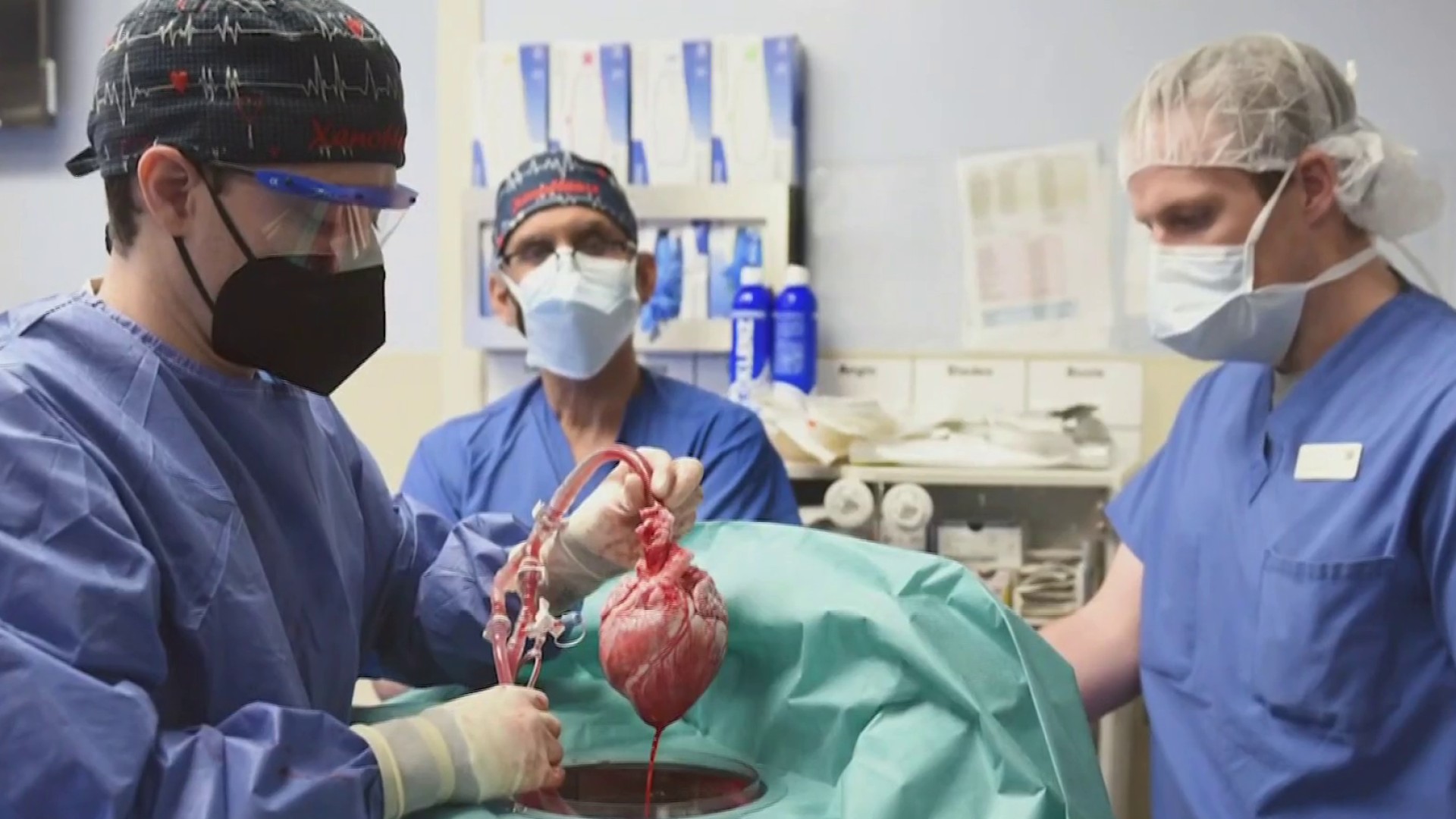
In a remarkable medical breakthrough, a remarkable journey unfolds as a genetically engineered porcine kidney, altered through cutting-edge gene-editing techniques, continues to function seamlessly within a human recipient, more than 30 days post-transplant. The extraordinary achievement was unveiled by medical experts just yesterday, marking a momentous leap forward in the field of organ transplantation.
Surgeons transplanted a pig’s kidney into a brain-dead man and for over a month it’s worked normally. https://t.co/ntoVqgq9Gk
— FORTUNE (@FortuneMagazine) August 17, 2023
This groundbreaking success story is a result of meticulous research and innovation. The pivotal factor lies in the strategic manipulation of genetics. A crucial sugar molecule known as alpha-gal, a substance prevalent in the majority of mammals but conspicuously absent in humans, had long been identified as a major contributor to post-surgical organ rejection. With the aid of advanced gene-editing technologies, scientists have ingeniously tailored pig kidneys to cease production of this problematic molecule. The outcome: a triumph against the odds, wherein the human body does not perceive the transplanted organ as a foreign entity.
This significant advancement marks the fifth instance of pigs’ kidneys, genetically tweaked to lack alpha-gal, finding purpose as life-saving transplants. This feat represents a milestone not only in medical science but also in the quest to alleviate the burgeoning crisis of organ shortages, providing renewed hope for countless patients languishing on transplant waiting lists.
Moreover, the implications of this scientific achievement stretch beyond organ transplantation. Interestingly, alpha-gal, aside from its role in post-surgical rejection, is also implicated as the primary trigger behind red meat allergies—a compelling aspect that has sparked scientific curiosity. Those intrigued by this phenomenon can delve into a comprehensive exploration of alpha-gal and its multifaceted impact.
The urgency of such medical milestones cannot be overstated. Tragically, a mere year ago, a terminally ill patient met an unfortunate demise merely two months subsequent to undergoing a pig heart transplant. This unfortunate incident underscores the complexity of these procedures and the need for rigorous oversight. The loss of life underlines the stakes involved and the indispensable nature of tireless research to ensure the safety and efficacy of these groundbreaking interventions.
Every year, the heart-wrenching toll of organ shortages becomes acutely apparent, with around 8,000 American lives tragically lost while languishing on transplant waitlists. The successful implementation of genetically altered pig kidneys offers a beacon of hope, illuminating a potential path forward to address this dire need.
As we marvel at this extraordinary feat, we are reminded of the profound impact that human ingenuity and scientific progress can bring to the forefront of our lives. The future of organ transplantation looks promising, with the alliance of advanced gene-editing techniques and unwavering medical dedication steering us toward a horizon where organ shortages may become a distant memory.
Discover more about the fascinating world of alpha-gal and its pivotal role in both organ transplantation and red meat allergies. Listen to an in-depth exploration on this captivating topic, gaining insights that shed light on the intricate interplay between biology and human health.
In an era defined by medical marvels, the genetically modified pig kidney stands as a testament to human innovation, the triumph of cutting-edge science, and a beacon of hope for those whose lives hang in the balance.