

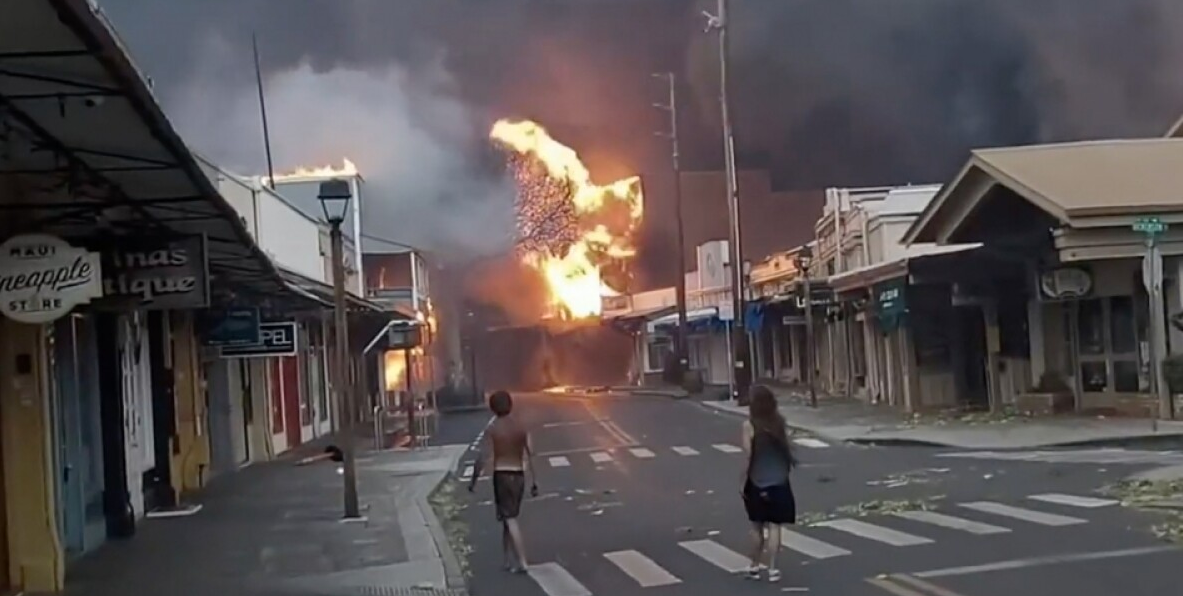
A devastating scene has unfolded on the idyllic island of Maui, as the aftermath of last week’s catastrophic wildfires reveals a heart-wrenching death toll that has now risen to a staggering 110 lives lost. Amid the scorched landscape and the remnants of the once-thriving town of Lahaina, search and rescue teams have been tirelessly combing through the debris, racing against time to recover remains and bring closure to grieving families. The extent of the devastation is sobering, with nearly 30% of the affected area covered by a dedicated force of approximately 185 crew members and 20 specially trained cadaver dogs.
LATEST: The death toll from the Maui wildfires is now at 110, Hawaii Gov. Josh Green told reporters at a news conference on Wednesday. https://t.co/N2v8Z8B6tl pic.twitter.com/IxAXcmo9Bb
— ABC News (@ABC) August 17, 2023
In the wake of this tragedy, a sense of disbelief and sorrow hangs heavy over the island. As the smoke clears and the true scope of the disaster comes into focus, a stark reality emerges: only five of the recovered bodies have been positively identified, leaving the fate of around 1,300 individuals still shrouded in uncertainty. It is a somber reminder of the human toll that natural disasters can exact, and a testament to the resilience of a community grappling with unimaginable loss.
As investigators painstakingly piece together the puzzle behind the Maui wildfires, one potential contributor has come into focus: a downed power line. In a gripping piece of footage captured by a brave bystander, a trail of flames ignites the Maui sky as a utility pole crashes to the ground, a casualty of the high winds unleashed by Hurricane Dora. The harrowing video, shared via Facebook, paints a vivid picture of the chaotic and dangerous conditions that gripped the island during the height of the storm.
Three separate lawsuits have been filed against Hawaiian Electric, the company responsible for powering 95% of Hawaii’s residents. These legal actions assert that the utility giant should be held accountable for both the devastating wildfire and the tragic loss of life that has resulted. The plaintiffs point accusatory fingers at the company, arguing that it failed to take sufficient precautions in the face of impending danger. Critics contend that Hawaiian Electric made the ill-fated decision to keep the power flowing even as howling winds felled trees and sent branches hurtling onto electric lines.
In a bid to address the mounting controversy and concerns, Hawaiian Electric has initiated its own internal investigation. The company, facing a firestorm of criticism and public outrage, is now under intense scrutiny as it navigates the delicate balance between responding to allegations of negligence and safeguarding the well-being of its customers.
As Maui mourns its losses and grapples with the aftermath of this devastating disaster, questions continue to swirl. How could a downed power line potentially lead to such widespread destruction? Were there missed opportunities to prevent this catastrophe? And, most importantly, how can communities better prepare for the unpredictable and devastating impact of natural disasters?
In a time when the world is more interconnected than ever before, when climate change looms as a pressing global issue, and when the aftermath of such tragedies reverberates far beyond the confines of a single island, these questions take on added urgency. Maui’s pain serves as a stark reminder that even in paradise, the forces of nature can unleash unparalleled devastation.