

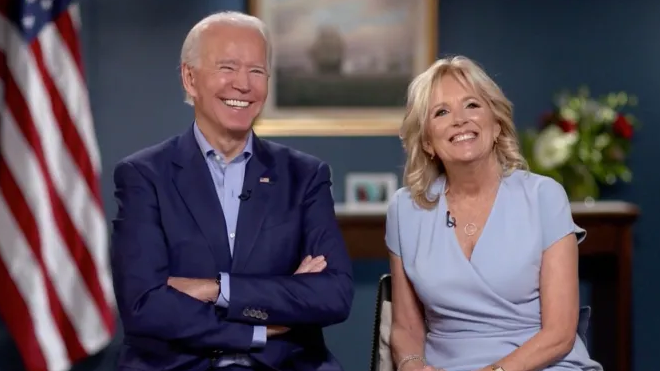
President Joe Biden is embarking on his second week-long vacation of the month, this time to the scenic destination of Lake Tahoe, Nevada. While the White House has yet to disclose the specifics of the president’s activities during his retreat, critics are pointing to a recent string of mixed messages and controversy that have cast a shadow over his vacation plans.
President Joe Biden and first lady Jill Biden are heading west on Friday for more rest and relaxation. https://t.co/JAnWzt4YTM
— The Washington Times (@WashTimes) August 19, 2023
One of the main points of contention stems from Biden’s response to the devastating wildfires that have ravaged Maui, a Hawaiian island known for its stunning landscapes. The president came under fire for his seemingly lackluster acknowledgment of the tragedy. After an initial statement on August 10th, he chose to head to Delaware for some leisurely activities, including bike rides and beach relaxation.
The turning point came on Sunday when Biden, when asked about the escalating death toll on Maui, appeared to silently mouth the words “no comment.” This gesture did not sit well with critics, who questioned his commitment to addressing the ongoing crisis. It was only on Tuesday, during a speech, that Biden delved into the topic of the wildfires that had claimed the lives of 99 individuals up until that point.
“I apologize because I try very hard to keep my speeches between 15 and 18 minutes, but I gotta talk a little bit about Hawaii,” Biden quipped during his speech. He went on to acknowledge his discussions with the Hawaiian governor and senators, emphasizing the gravity of the situation and the lives lost due to the wildfires.
Despite the president’s attempt to address the matter head-on, the delayed response and perceived lack of urgency have fueled criticisms. Critics argue that the president’s actions, including his getaway plans during this time of crisis, send mixed signals to the American people and undermine his position as a leader in times of hardship.
As Biden embarks on his Lake Tahoe vacation, the Maui wildfires continue to rage on, leaving residents and authorities struggling to contain the destruction. The controversy surrounding his handling of the crisis highlights the challenges that leaders face in balancing personal downtime with their responsibility to lead during moments of national crisis.
In a time when leadership is paramount, the president’s approach has drawn both support and skepticism, leaving many Americans divided over his priorities. As the week unfolds, all eyes will be on Biden as he navigates both the tranquil shores of Lake Tahoe and the stormy waters of public opinion.