

The commencement of the 2024 Republican primary debate season proved to be nothing short of spectacular, as millions of viewers tuned in for the inaugural showdown. Hosted by a prominent news network, the debate attracted an unexpectedly high viewership of 12.8 million, providing a riveting start to the upcoming election cycle. The absence of former President Donald Trump, a towering figure in previous campaigns, set the stage for a dynamic and wide-open race.
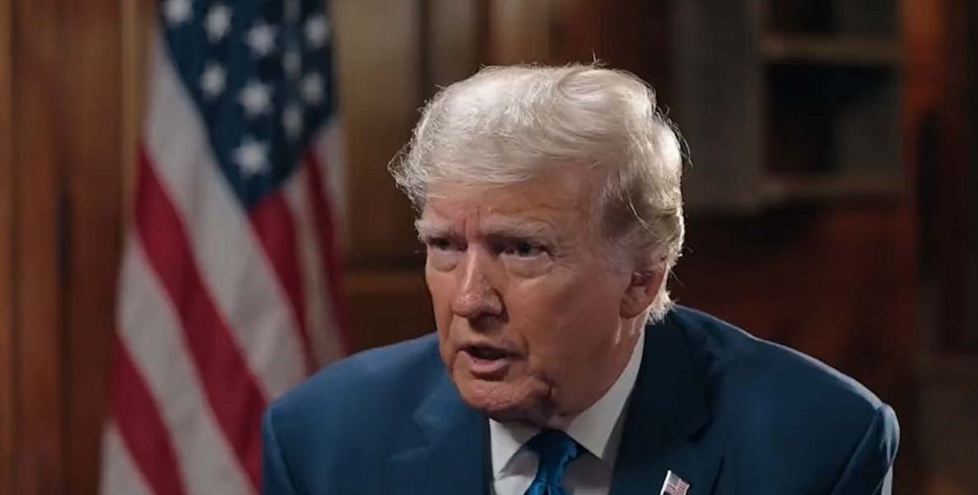
Yet, it was a different avenue that truly stole the spotlight – an interview featuring Trump himself. The interview, presented on Tucker Carlson’s X platform (formerly his Twitter account), achieved an astounding milestone by amassing an unprecedented 154 million views. This eye-popping viewership not only underscored Trump’s lasting impact but also spotlighted his innovative approach to engaging with the public.
Ep. 19 Debate Night with Donald J Trump pic.twitter.com/ayPfII48CO
— Tucker Carlson (@TuckerCarlson) August 24, 2023
While the debate undoubtedly offered candidates a platform to distinguish themselves and vie for voter attention, it was the staggering viewership of Trump’s interview that dominated conversations. The staggering numbers serve as a testament to his continued influence and his ability to captivate the nation’s interest in novel ways.
In the aftermath of the debate, the political arena remains charged with anticipation and intrigue. Trump’s interview viewership reverberates as a powerful factor, a force that will inevitably shape the trajectory of the Republican primary race. The absence of Trump on the debate stage may have shifted the dynamic, but his presence is still acutely felt.
In a time marked by political transformation and digital communication, the combined impact of the debate and Trump’s interview highlights the evolving landscape of American politics. The fusion of traditional platforms and innovative methods serves as a compelling indicator of how political narratives are crafted and resonated in today’s society.