

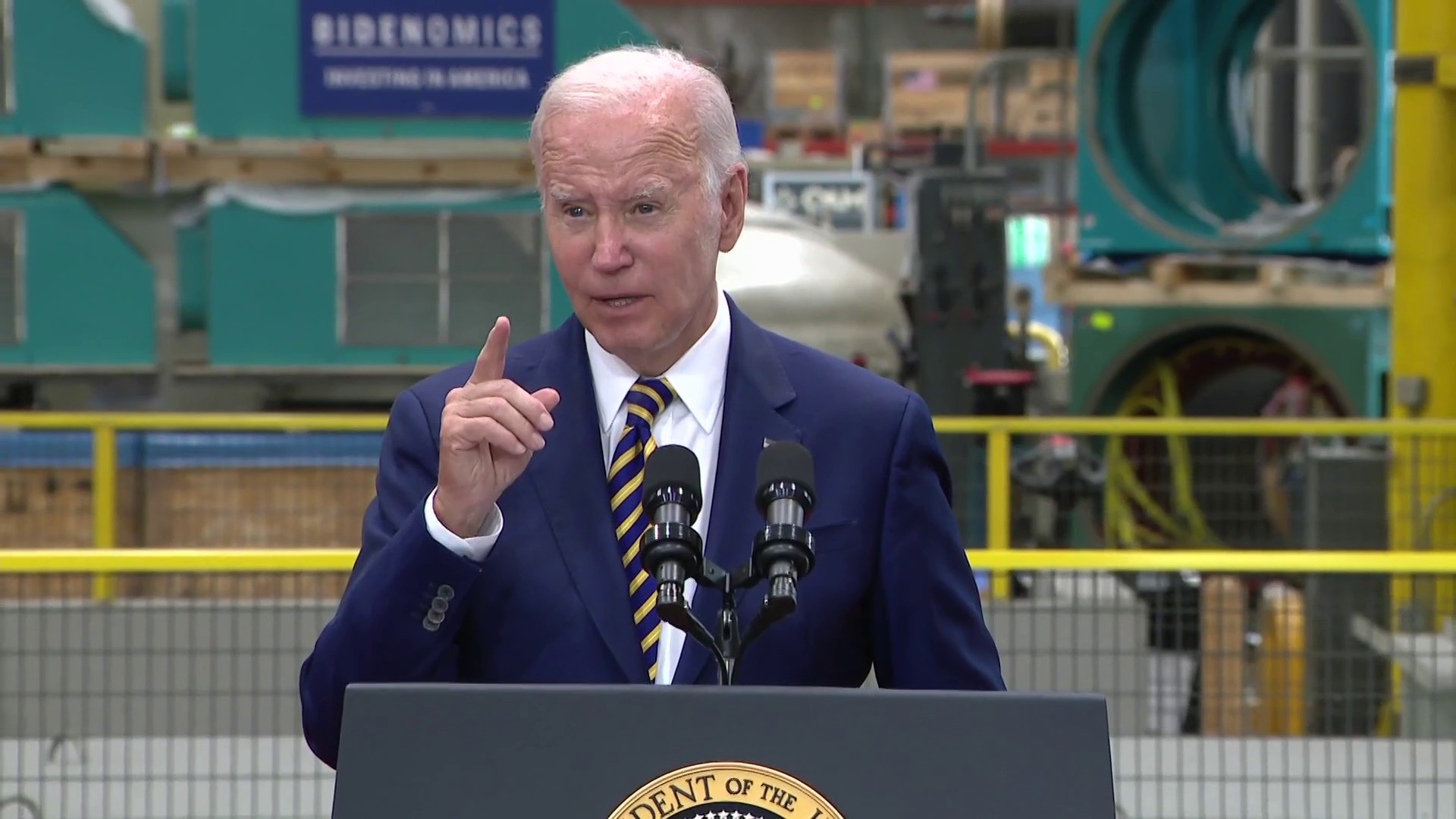
In a comedic twist on recent events, the Babylon Bee, known for its satirical takes on politics, has unleashed a rib-tickling story that pokes fun at President Biden’s handling of crises in Hawaii and Ohio. While the incidents themselves were no laughing matter, the Bee’s clever satire adds a humorous spin to the situation.
In a snippet from the story, President Biden is depicted as approving an emergency shipment of $40 billion worth of drugs to be airdropped at the Burning Man Festival, where 70,000 festival-goers were stranded due to a lack of various substances.
“Look, Jack, we have 70,000 hippies stranded in tents in the middle of the desert with no uppers, downers, OR psychedelics,” he noted from his beach chair in Delaware. “That’s why I’ve asked Congress to declare a state of emergency and rush these much-needed drugs to Nevada immediately!”
Biden Approves $40 Billion Worth Of Drugs To Be Airdropped To Burning Man https://t.co/kWRRyTZYCA pic.twitter.com/aUlIUg8EUZ
— The Babylon Bee (@TheBabylonBee) September 4, 2023
While this story may be a humorous exaggeration, it highlights the importance of a swift and effective response to emergencies. In reality, when disasters strike, it’s crucial for leaders to provide support and assistance to affected communities promptly.
President Biden’s actual response to crises like the fires in Maui and the train derailment in Ohio involved mobilizing federal resources, coordinating with local authorities, and providing aid to those in need. It’s essential to acknowledge that addressing real-life emergencies requires careful planning and execution.
In conclusion, while the Babylon Bee’s satirical take on President Biden’s response may provide some comic relief, it’s crucial to remember that addressing real disasters demands a responsible and timely approach. In the face of adversity, leaders must prioritize the well-being of their citizens.