

In the hallowed halls of the Senate, tradition and decorum have long been held in high regard. Suits, ties, and formal attire have been the unwritten uniform for senators presiding over the chamber. However, in a surprising twist, Sen. John Fetterman (D-PA) recently made headlines for challenging this time-honored tradition by presiding over the Senate wearing a short-sleeve shirt, no tie, and shorts. This bold move comes just days after the contentious decision to halt enforcement of the Senate’s dress code.
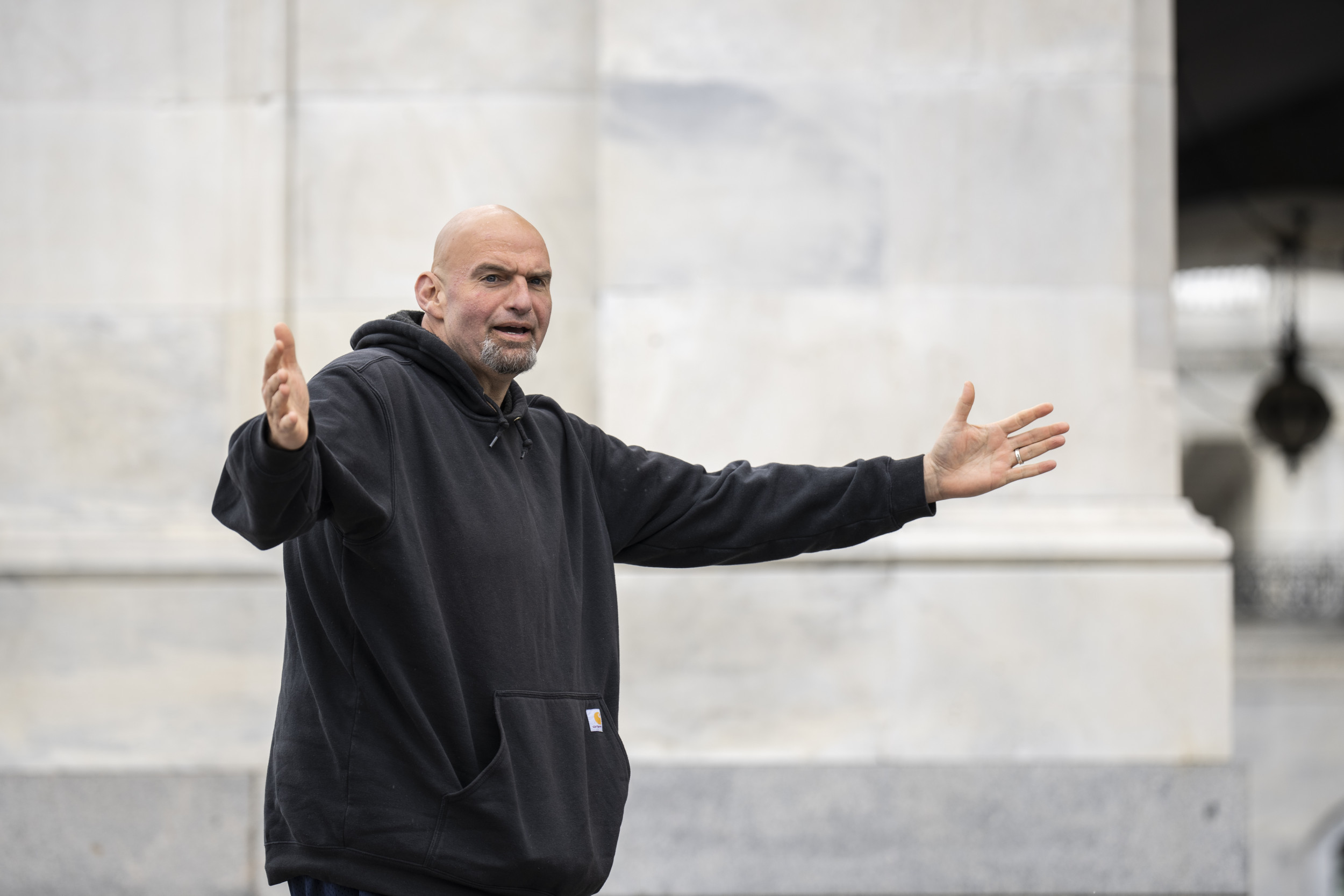
While Sen. Fetterman’s attire may have raised a few eyebrows, it was a deliberate choice that sent a powerful message. As he took his turn as the presiding officer, some of his Republican colleagues, including Sens. John Thune (R-SD), Rand Paul (R-KY), and John Cornyn (R-TX), delivered their remarks on the Senate floor. Fetterman’s unconventional outfit served as a visual representation of the ongoing debate over the Senate’s dress code, which has sparked a lively discussion among lawmakers and the public alike.
Senate dress code change draws GOP barbs toward Fetterman https://t.co/cGhEXm0TA4 pic.twitter.com/Z4fRSOg1dz
— The Hill (@thehill) September 19, 2023
Reporters wasted no time catching up with Sen. Fetterman once his session had concluded. When asked about his decision to break with tradition, he responded with characteristic candor, saying, “The world didn’t spin off its axis. You know, I just did it… I think we will still go on,” as reported by an NBC News journalist.
This move by Sen. Fetterman highlights the evolving nature of the Senate and the broader cultural shifts occurring within the world of politics. It raises questions about the importance of tradition and decorum in modern governance, as well as the role of attire in conveying a message or making a statement.
As the debate over the Senate’s dress code continues, Sen. Fetterman’s choice to embrace a more relaxed dress code for the presiding officer has ignited a conversation about the Senate’s image and the values it represents. Only time will tell whether this bold move leads to any concrete changes in the Senate’s dress code policies.
In a world where politics is often defined by rigid conventions, Sen. Fetterman’s decision to embrace a more casual style serves as a reminder that change is always on the horizon, even within the most established institutions.