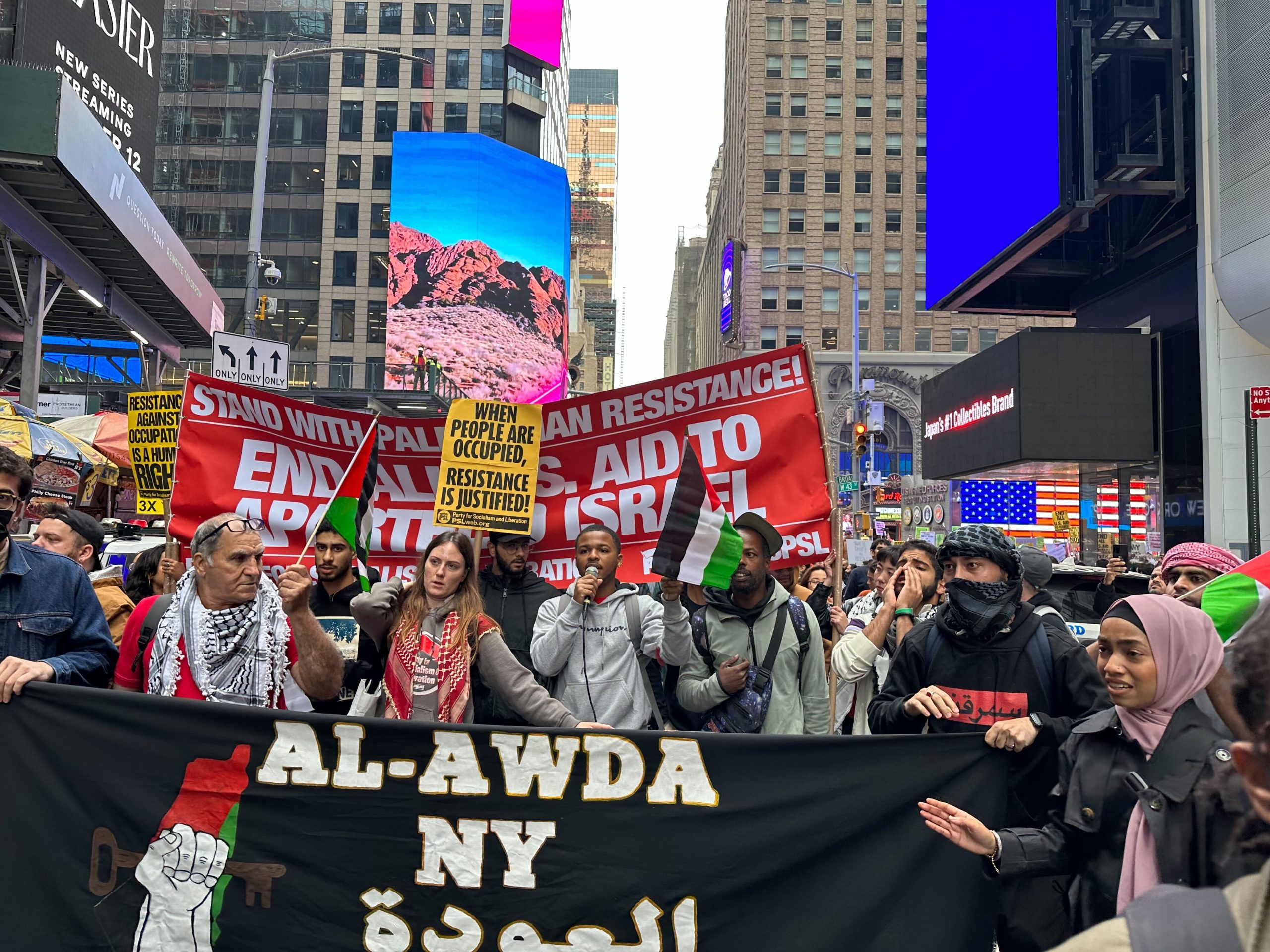

Amidst the recent series of attacks on Israel by Hamas, a surprising and controversial alliance is emerging as Black Lives Matter (BLM) chapters across the globe express their solidarity with the Palestinian organization. The shocking development has raised eyebrows and fueled debates on the complex intersections of global movements.
Black Lives Matter group defends Hamas terror as 'desperate act of self-defense' that 'must not be condemned' https://t.co/Ov4wQ9Z3Hu
— Fox News (@FoxNews) October 10, 2023
In an unexpected move, BLM Chicago took to X to post a striking image of a parachuting figure proudly waving a Palestinian flag. The caption, “I stand with Palestine,” reverberated through social media, marking an unusual alignment between domestic activism and international conflict.
The weekend’s events unfolded with Hamas militants using unconventional methods, para-gliding into Israel and unleashing chaos at a peace-themed music festival. The death toll, surpassing 1,200, represents the largest single-day tragedy for the Jewish community since the Holocaust.
BLM Chicago’s continuous social media updates post-attacks assert that Palestinians are victims of genocide, echoing sentiments that the Black freedom struggle and Palestinian freedom movement are intimately intertwined. The gravity of these accusations deepened as the Washington, D.C., chapter of BLM joined the chorus, accusing Israel of genocide and reposting statements in explicit support of the attackers.
Further complicating the narrative, the BLM Grassroots account on X, representing a collective of chapters engaged in “on-the-ground work for Black liberation,” released a statement backing Hamas terrorism. Drawing parallels between the struggles of Black and Palestinian communities, the post added a new layer of controversy to the already heated discourse.
The unprecedented convergence of these social justice movements with a complex international conflict has ignited discussions on the global stage. The multifaceted nature of this alliance challenges preconceived notions and demands a nuanced understanding of the intersections between social justice causes and geopolitical conflicts.