

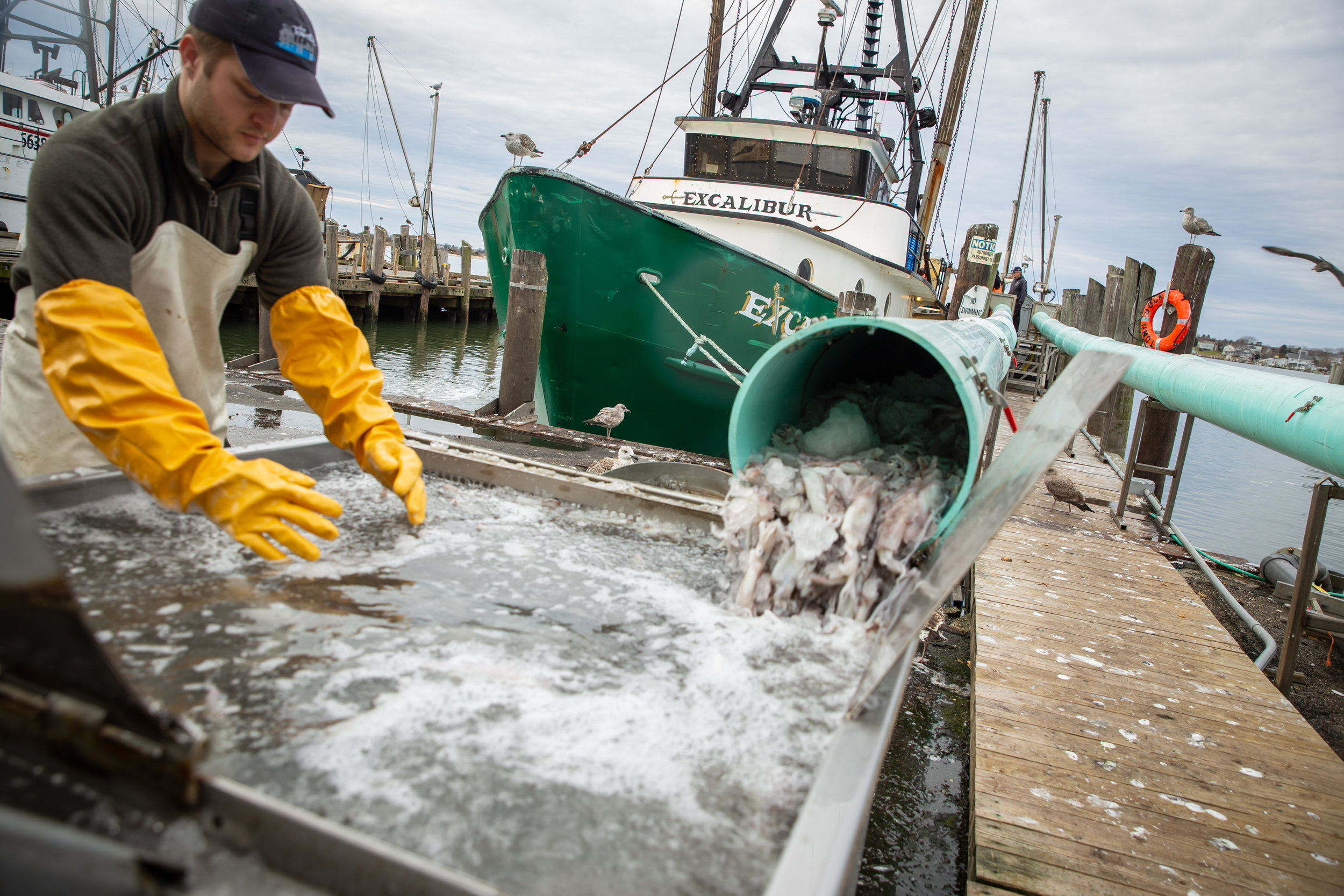
In a pivotal move, the Supreme Court has accepted a second challenge to the long-standing legal doctrine known as “Chevron deference.” This doctrine, born from a 1984 ruling, grants federal agencies substantial authority in formulating rules and regulations. The case, Relentless Inc. v U.S. Department of Commerce, represents a crucial juncture for Rhode Island fishermen who, along with those in the Loper Bright Enterprises v. Raimondo case, are fervently contesting a federal rule that mandates them to bear the financial burden of federal observers on their boats.
These fishermen argue that the National Marine Fisheries Service has exceeded its bounds by proposing exorbitant fees, potentially reaching up to $700 per day, for hiring a monitor to oversee their catch. The dispute, originating in the federal appeals courts, now stands before the Supreme Court, bringing to light the profound implications of regulatory decisions on the livelihoods of those engaged in the fishing industry.
Supreme Court sets showdown over agency power for January https://t.co/DQ0iDxvgTZ
— POLITICO (@politico) October 13, 2023
“The regulatory inequity threatens petitioners’ use of the flexible style of fishing they have developed and even the use of their vessels with enormous sunk costs. The final rule could result in some fishing trips losing rather than making money,” emphasizes the petition presented to the high court.
This legal battle transcends mere courtroom proceedings; it delves into the heart of how federal agencies wield their authority and the repercussions felt by individuals whose lives are intertwined with the ebbs and flows of the ocean. The fishermen assert that the proposed rule not only jeopardizes their established fishing practices but also places a substantial financial burden on their ventures.
As the Supreme Court prepares to delve into these contentious cases, the outcome could redefine the balance of power between federal agencies and those directly impacted by their decisions. The implications resonate not only within the legal sphere but also within the intricate web of America’s fishing industry.