

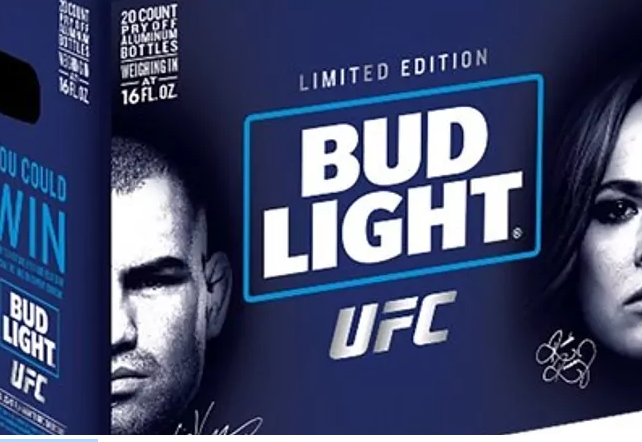
In a strategic alliance that has sent shockwaves through the mixed martial arts (MMA) community, the Ultimate Fighting Championship (UFC) and Anheuser-Busch InBev NV have inked a groundbreaking multiyear marketing pact. This collaboration crowns Bud Light as the official beer of the UFC, elevating it to prime visibility across various platforms. However, the celebrated deal has ignited a fierce uproar among UFC enthusiasts, who are rallying against what they see as a contentious move.
As of January 1, the octagon now boasts a prominent new partner with Anheuser-Busch assuming the role of the “Official Beer Partner of UFC.” Bud Light’s logo is set to dominate not just the broadcasts but also find its place on signage across arenas, fight-week activities, social media channels, weigh-ins, and press conferences.
UFC, Anheuser-Busch Ink Multiyear Marketing Deal Putting Bud Light Front And Center https://t.co/GKjfyEFhsw
— Deadline Hollywood (@DEADLINE) October 24, 2023
The UFC’s former partnership with Modelo now appears to be a thing of the past, as Bud Light steps into the spotlight. This significant shift follows a turbulent period for Bud Light, marked by a decline in sales attributed to a controversial advertising campaign featuring trans-TikTok star Dylan Mulvaney. Modelo, having seized the opportunity, has ascended to claim the title of America’s best-selling beer.
The fallout from Bud Light’s turbulent advertising venture continues to resonate as reports circulate that the brewing giant allegedly employed questionable tactics, described by some as outright bribery, to maintain its beer on store shelves. The backlash has been palpable, with UFC fans expressing their discontent and even calling for a boycott.
As the octagon prepares for a new era with Bud Light at the forefront, UFC CEO Dana White & Co. face a formidable challenge in reconciling their vision with the discontent brewing within their fan base. The clash between corporate partnerships and fan sentiment sets the stage for a high-stakes narrative that transcends the realm of sports marketing.