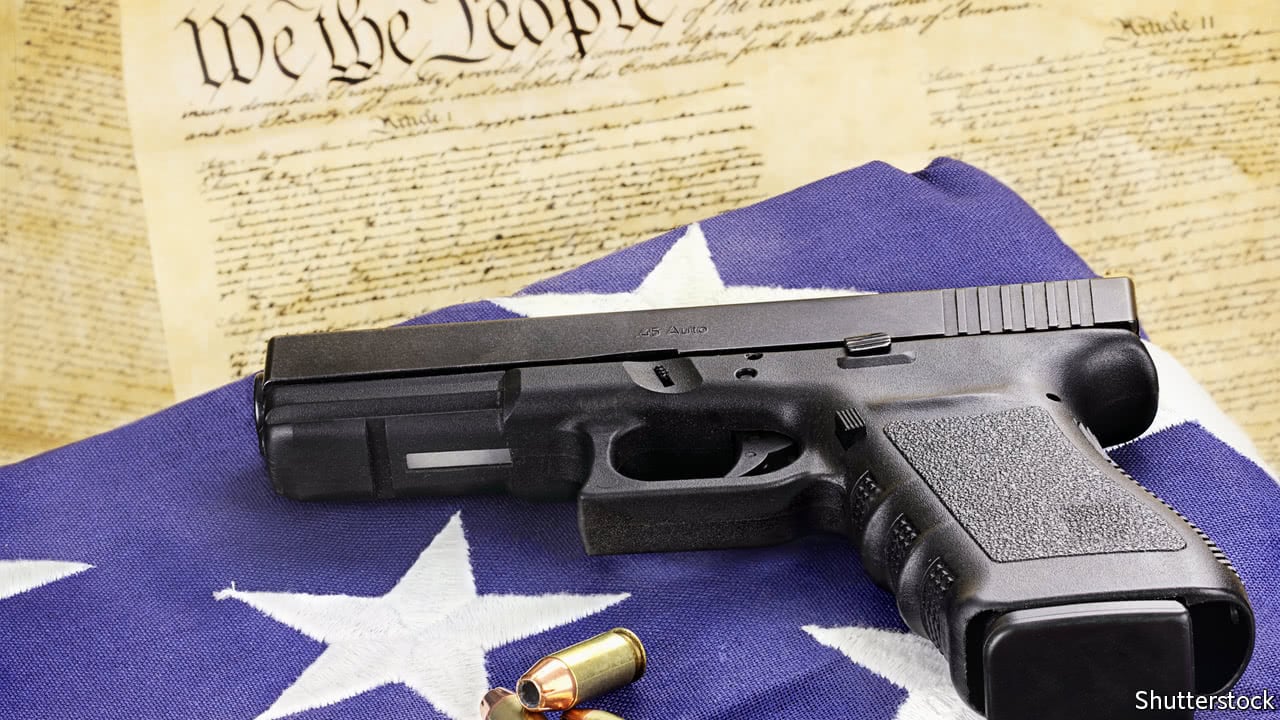

In a significant legal development, a federal judge, Thomas Kleeh, dealt a blow to the Biden administration’s push to limit the Second Amendment rights of young adults. The ruling, which centered on the case of Steven Robert Brown and Benjamin Weekley, held that the administration’s attempt to ban adults aged 18 to 20 from purchasing handguns was unconstitutional.
2A Victory: Judge Rules Federal Ban on Handgun Sales to 18- to 20-Year-Olds Unconstitutional via @gatewaypundit https://t.co/lfxlRlKYuS
— The Gateway Pundit (@gatewaypundit) December 4, 2023
Judge Kleeh, an appointee of former President Donald Trump, and Chief Judge of the United States District Court for the Northern District of West Virginia, underscored in his decision that the plaintiffs’ action, the purchase of handguns, aligns with the Second Amendment’s ‘unqualified command.’ He emphasized that the challenged statutes and regulations did not adhere to the nation’s historical tradition of firearm regulation.
This verdict resonates beyond the specific case, as it challenges the broader narrative surrounding gun control measures. The ruling suggests that attempts to curtail the rights of individuals within a certain age group may conflict with the fundamental principles enshrined in the Second Amendment.
The case of Brown and Weekley serves as a focal point, illustrating the tension between individual rights and government regulations. Supporters of the Second Amendment view this ruling as a victory for constitutional freedoms, while opponents argue it raises concerns about public safety.
As debates surrounding gun control continue to intensify, this legal decision is poised to fuel discussions on the delicate balance between preserving individual liberties and addressing societal concerns.