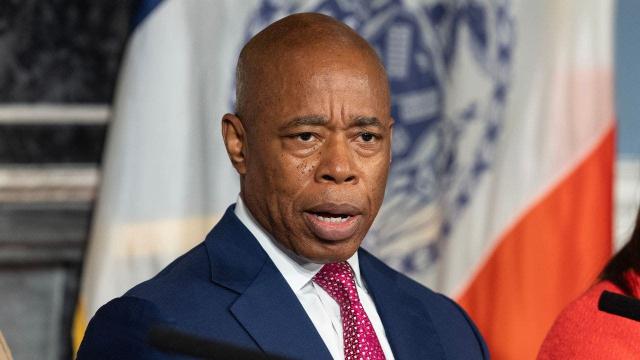

In a candid revelation, New York City Mayor Eric Adams admitted the stark truth about the city’s ongoing migrant crisis, declaring that they will have to confront this challenge on their own. The situation has cast a long shadow over Adams’ mayoral tenure, culminating in a record-low approval rating of 28%, as per a recent Quinnipiac University poll.
The poll, released this Wednesday, underscored the deepening concern among self-identified registered voters in the city. This approval rating stands as the lowest ever recorded for a New York City mayor since Quinnipiac started tracking such statistics in 1996. It paints a grim picture of the sentiment towards Adams and his handling of the persistent migrant crisis.
Mayor Adams' approval rating falls to 28%, lowest for any NYC mayor since 1996 https://t.co/wPo90HH1Ij
— FOX 5 NY (@fox5ny) December 7, 2023
In a proactive move, Mayor Adams journeyed to the nation’s capital on Thursday, seeking support from congressional leaders and Biden administration officials to address the migrant crisis in the sanctuary city. However, the outcome was less than favorable. At a subsequent press conference alongside religious leaders, Adams disclosed that he returned empty-handed, failing to secure the much-needed federal aid.
Acknowledging the frustration among New Yorkers who feel the strain on essential city services, Adams stated, “We did not walk out from D.C. with any level of optimism that anything is going to drastically change.” This admission reveals the mayor’s sober assessment of the situation, leaving many to ponder the future of New York City in the face of an unresolved migrant crisis.
As the city grapples with this challenging predicament, it remains to be seen how Mayor Adams will navigate the complex web of issues that have contributed to the lowest approval rating in the city’s history. The plight of New York City, standing alone in the face of its migrant crisis, raises questions about the resilience and adaptability of urban leadership in times of unprecedented challenges.