

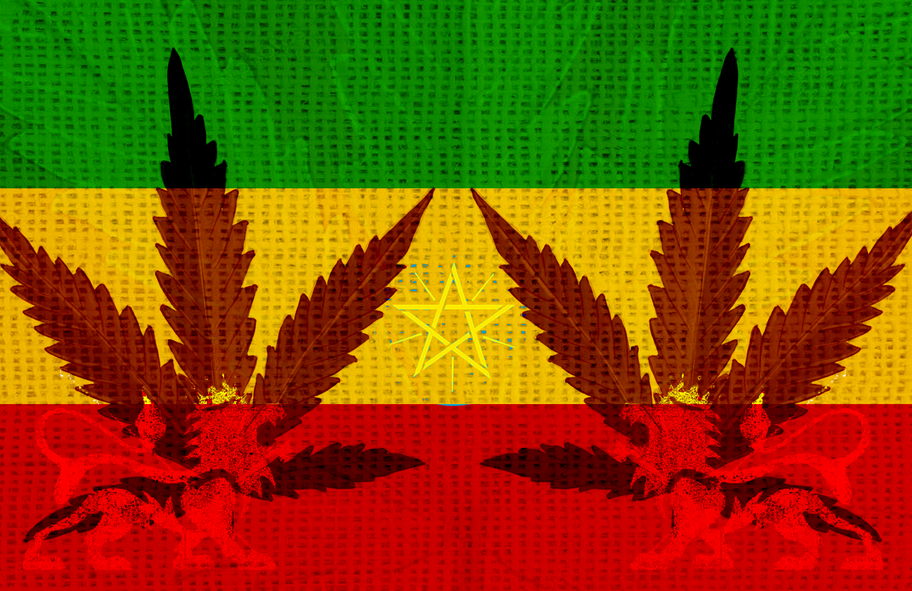
In a groundbreaking move, the Caribbean paradise of Antigua and Barbuda has officially sanctioned the sacramental use of marijuana by the Rastafari community, marking a significant shift in the global landscape of cannabis regulation.
For decades, Rastafari adherents worldwide have faced persecution and imprisonment due to their deeply ingrained practice of using marijuana as a sacrament. With evolving attitudes and policies surrounding marijuana legalization, both for medicinal and recreational purposes, the Rastafari community is increasingly advocating for legal protections to safeguard their religious practices.
Antigua and Barbuda’s Prime Minister, Gaston Browne, spoke exclusively to The Associated Press, shedding light on the government’s commitment to ending discrimination against the Rastafari and fostering a climate of respect for their unique culture and faith.
For decades, members of the Rastafari community have been persecuted and imprisoned for their ritualistic marijuana use. But the islands of Antigua and Barbuda recently granted Rastafari official sacramental authorization to grow the herb. https://t.co/Y8mLWJ382S
— The Associated Press (@AP) June 4, 2023
Browne emphasized the importance of acknowledging and respecting religious diversity, stating, “Our decision to grant official authorization for the sacramental use of marijuana by the Rastafari community is a testament to our commitment to religious freedom and cultural acceptance.”
This move aligns with the global trend toward recognizing the legitimacy of cannabis use within religious contexts. As the United States and other nations reconsider their stances on marijuana, Antigua and Barbuda’s decision adds momentum to the ongoing dialogue surrounding the intersection of faith and drug policy.
The Rastafari community’s struggle for recognition and protection has gained international attention, prompting discussions about the broader implications of religious freedom in the context of evolving drug laws. Advocates argue that respecting the religious practices of the Rastafari is not only a matter of human rights but also contributes to the broader principles of tolerance and cultural diversity.
As Antigua and Barbuda pioneers this progressive approach, it sets an example for other nations grappling with the intersection of religious practices and drug policies. The decision reflects a nuanced understanding of the Rastafari community’s traditions and challenges, emphasizing the importance of adapting legislation to accommodate diverse cultural and religious practices.
In embracing this historic change, Antigua and Barbuda positions itself at the forefront of a global conversation on the intersection of religious freedom and drug policy. The decision not only brings relief to the Rastafari community but also sends a powerful message about the significance of cultural acceptance and respect for diverse religious practices in our ever-evolving world.