

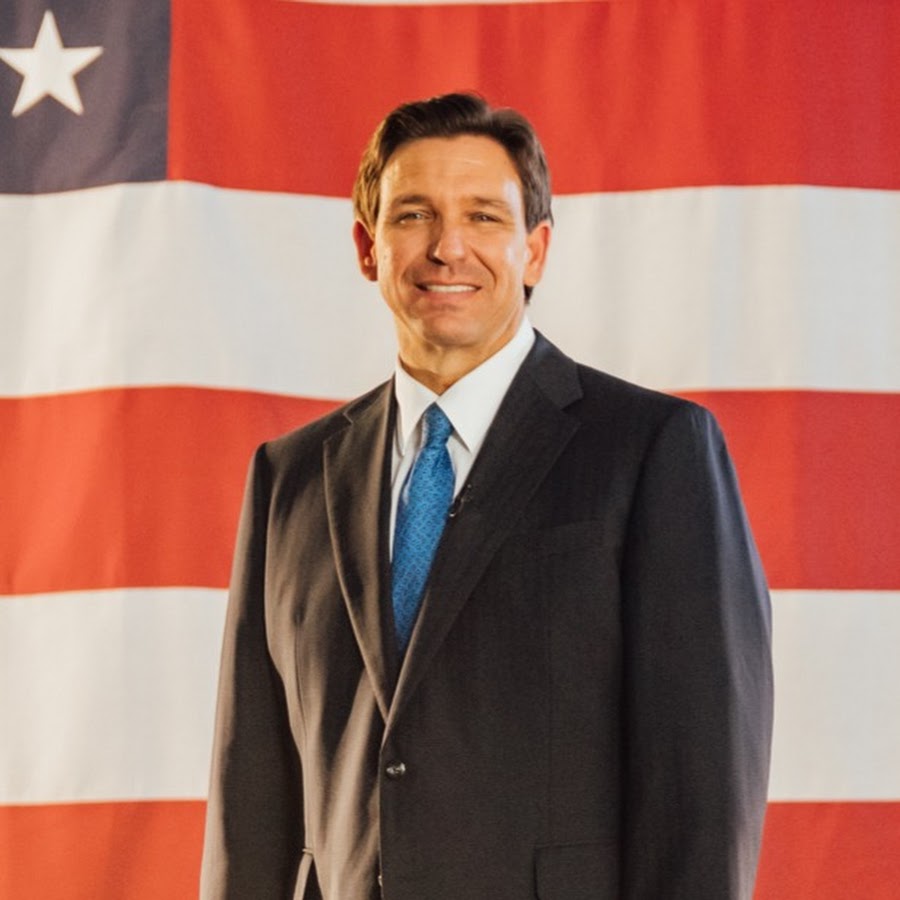
In a significant announcement, Florida Governor Ron DeSantis underscored his commitment to a tough stance on crime, revealing that the state’s attorney’s office will pursue the death penalty in a case involving sexual battery against a child under the age of 12. This development comes as the legal landscape grapples with the implications of recent legislation signed by the governor, targeting those convicted of heinous crimes against minors.
DeSantis took to Twitter to convey the gravity of the situation, stating, “Today, @flsao5 announced that they will seek the death penalty in a case of sexual battery against a child under age 12.” He highlighted the historical significance, noting that this case would be the first to challenge Supreme Court decisions on rape since the enactment of the controversial legislation that made pedophiles eligible for capital punishment.
Today, @flsao5 announced that they will seek the death penalty in a case of sexual battery against a child under age 12.
It will be the first case to challenge SCOTUS since I signed legislation to make pedophiles eligible for the death penalty.
@flsao5 has my full support.— Ron DeSantis (@GovRonDeSantis) December 14, 2023
The decision to pursue the death penalty in cases involving crimes against children has sparked intense debate, with supporters applauding the governor’s unwavering commitment to protecting the most vulnerable members of society. Critics, on the other hand, argue that such measures may not necessarily deter criminal behavior and could potentially lead to legal challenges questioning the constitutionality of the death penalty in these circumstances.
Legal experts weighed in on the matter, emphasizing the complexities surrounding the intersection of criminal justice and constitutional rights. This move by Florida’s state attorney’s office is expected to set a precedent and could become a focal point in the ongoing national conversation about the appropriateness of capital punishment for certain offenses.
As the case unfolds, it remains to be seen how the legal community, advocacy groups, and the public at large will respond to this bold initiative by Governor DeSantis. The implications of this decision could extend far beyond the borders of Florida, influencing similar debates in other states grappling with the delicate balance between justice and the protection of individual rights.