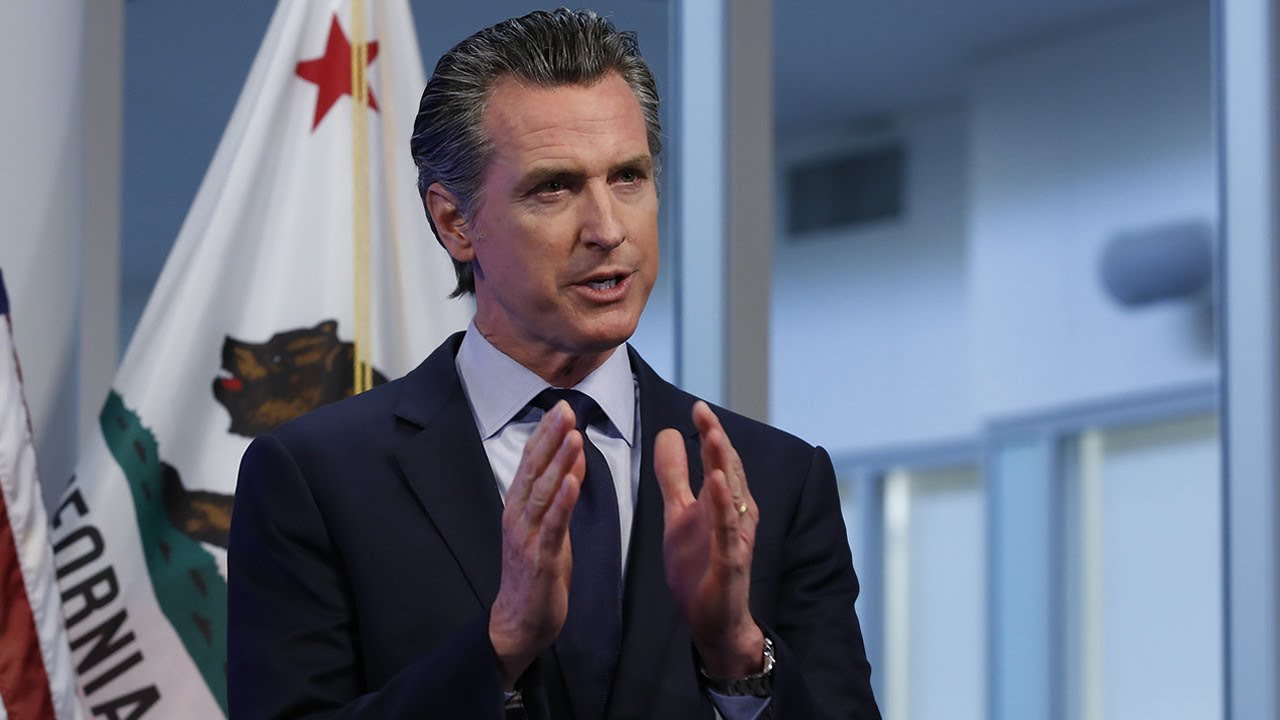

California has set a precedent that is sure to ignite debate across the nation. In a groundbreaking move, the state is set to provide taxpayer-funded health insurance to over 700,000 illegal aliens aged 26 to 49 starting January 1. This marks a significant expansion of coverage, making California the first state to extend comprehensive health insurance to undocumented individuals of various age groups.
The initiative, as reported by ABC News, builds upon previous measures. Historically, undocumented immigrants were restricted to emergency and pregnancy-related services under the state’s Medi-Cal program, subject to specific eligibility criteria. However, subsequent legislative changes, including a 2015 bill allowing undocumented children to access Medi-Cal, have paved the way for broader coverage.
California will welcome the new year by becoming the first state to offer health insurance for all undocumented immigrants. https://t.co/AupIwt5BIh
— ABC News (@ABC) December 29, 2023
Governor Gavin Newsom’s 2019 law pushed the boundaries further by granting full-scope Medi-Cal access to young adults aged 19 to 25, irrespective of citizenship or immigration status. Not stopping there, the access was expanded again to encompass older adults aged 50 and above, demonstrating California’s commitment to inclusivity in healthcare.
This move, however, has sparked intense controversy. Proponents argue that it aligns with the state’s values of compassion and inclusivity, ensuring that everyone has access to essential healthcare services. Critics, on the other hand, express concerns over the financial burden on taxpayers and the potential implications for immigration policies.
As California pioneers this uncharted territory, it remains to be seen how this bold step will impact the national discourse on immigration and public healthcare. The state’s decision to extend such benefits to a large demographic of undocumented individuals reflects an evolving approach to social policies, challenging the status quo and inviting a range of opinions.
As California boldly forges ahead, the nation watches closely. The extension of comprehensive health insurance to a sizable population of undocumented individuals marks a paradigm shift, triggering conversations that delve into the intersection of immigration policies and public health. This decision is poised to reverberate far beyond the state’s borders, influencing future dialogues on inclusivity and the role of states in shaping the healthcare landscape.