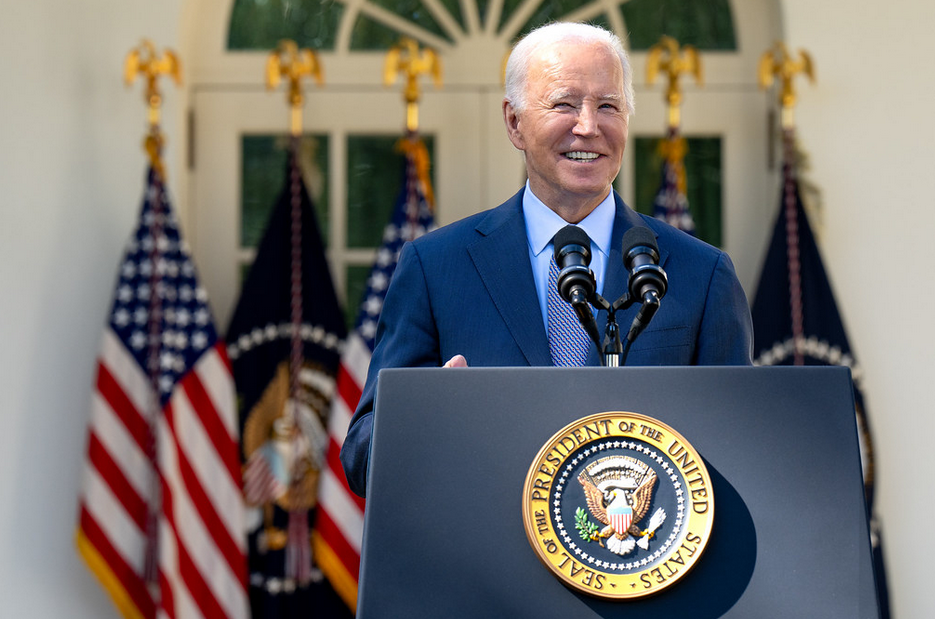

As the year comes to a close, President Joe Biden finds himself facing a significant challenge – a dwindling job approval rating that stands at a mere 39%. The political landscape is buzzing with speculation and analysis, attributing this decline to a series of pressing issues that have gripped the nation.
HEADLINE: Biden Ends 2023 With 39% Job Approval
READ FULL STORY HERE: https://t.co/hIjFjgx6wg
"Replacing The Failing Drudge Report" pic.twitter.com/eoUDfj4a7h— Loomer Report (@LoomerReport) January 1, 2024
One of the pivotal factors contributing to the President’s decline in popularity is the state of the economy. With concerns over inflation reaching new heights, citizens are grappling with rising costs and economic uncertainty. This financial strain has inevitably seeped into public sentiment, reflecting negatively on Biden’s handling of economic matters.
Border security has also emerged as a contentious issue, with critics arguing that the administration’s approach falls short. The lack of a robust strategy to address border challenges has fueled discontent among a significant portion of the population, further eroding confidence in the President’s leadership.
These concerns are not merely statistical anomalies but reflect the pulse of a nation facing multifaceted challenges. The dissatisfaction is palpable, and citizens are demanding more tangible solutions to the issues affecting their daily lives.
In a recent survey, citizens expressed their frustration, with one respondent stating, “The economy is hurting, and we need better plans to navigate these tough times.” This sentiment is echoed by many who feel that the administration needs to reassess its policies to better address the economic woes facing the country.
In conclusion, President Biden faces a daunting task as he navigates the complexities of a nation grappling with economic hardships and concerns over border security. The 39% approval rating is a stark reminder of the challenges ahead, and the President’s ability to respond effectively will undoubtedly shape the political landscape in the coming months.