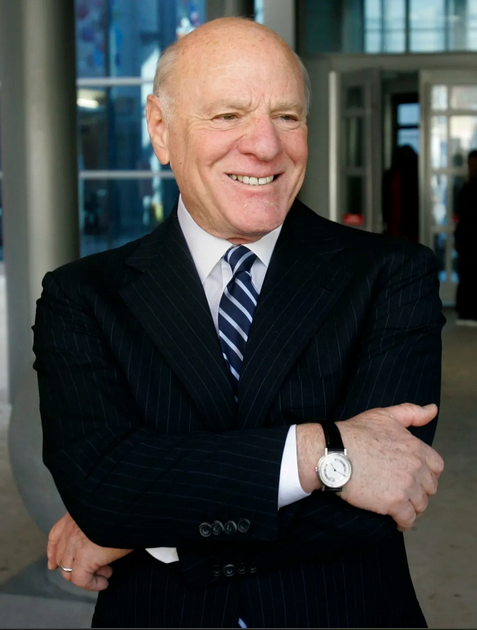

In a recent revelation that sent shockwaves through the media landscape, Barry Diller, co-founder of a prominent news network, admitted to a significant miscalculation in his 2023 predictions. Diller, who served as the chairman and CEO of the network from 1984 to 1992, disclosed that he erred in anticipating a scenario where former President Donald Trump would be “figuratively or more hopefully dead.”
Fox News co-founder Barry Diller revealed the 2023 prediction he got wrong was "hat Trump would be figuratively or more hopefully dead." …
Read more:https://t.co/veR2Xuqt2i
?? ?? ??— The National Pulse (@TheNatPulse) January 5, 2024
Diller, now at the helm of the IAC holding company and the Expedia Group, is no stranger to expressing his disdain for Trump. Throughout the years, he has been an outspoken critic, labeling the former president as a “joke” and deeming him “evil.” In a 2018 interview with liberal commentator Maureen Dowd, Diller went so far as to express his wish for Trump to be entangled in a scandal with Putin, stating, “I would so love it if he were being blackmailed by Putin. That would make me very happy. This was a man of bad character from the moment he entered adulthood, if not before. Pure, bad character. Ugh, Trump.”
Diller’s revelation adds a new layer to the ongoing scrutiny of media figures and their political biases. The admission of a flawed prediction regarding a political figure as polarizing as Trump raises questions about the objectivity of media moguls and their ability to separate personal opinions from professional assessments.
Critics argue that Diller’s history of disdain for Trump may have clouded his judgment, leading to an inaccurate forecast. This revelation comes at a time when public trust in media institutions is already under scrutiny, with accusations of bias influencing reporting.
As the news of Diller’s admission spreads, it serves as a reminder of the challenges media outlets face in maintaining credibility and objectivity. Whether this revelation will have a lasting impact on Diller’s legacy or contribute to a broader conversation about media accountability remains to be seen.