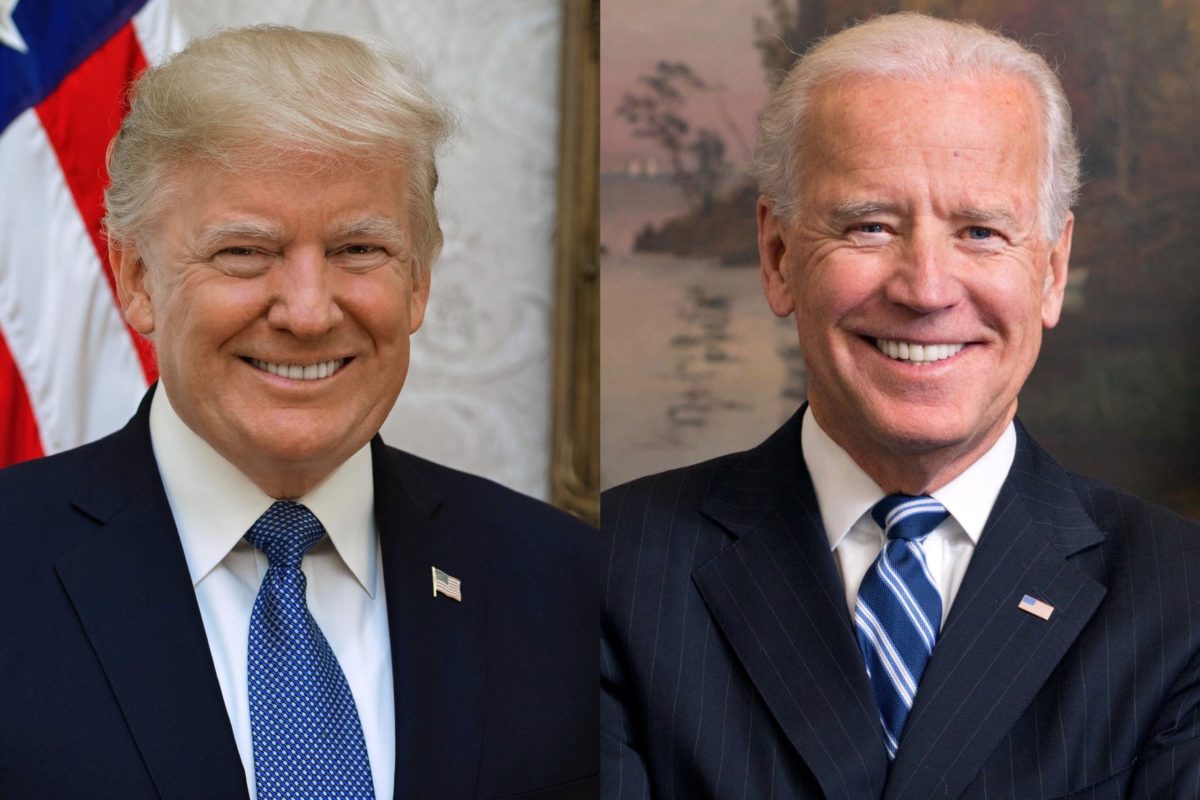

As the political landscape heats up, a recent survey conducted by The Detroit News and WDIV-TV (Channel 4) reveals a surprising twist in the potential 2020 election rematch between former President Donald Trump and incumbent President Joe Biden. Trump is seizing an early lead, securing 47% support among likely voters compared to Biden’s 39%. This 8% margin has left political pundits and voters alike speculating on the dynamics shaping Michigan’s electoral landscape.
More from our MI poll: The survey of 600 likely general election voters in the battleground state found only 17% said @POTUS deserved another term leading the country – a low for a major public officeholder in modern Michigan political history. https://t.co/ZGmCmMxUpi
— The Detroit News (@detroitnews) January 9, 2024
Michigan, a crucial battleground state, played a pivotal role in determining the outcome of the 2020 election. The recent survey not only underscores the state’s significance but also suggests a shift in voter sentiments. With 11% undecided and 3% expressing a preference for another candidate, the political arena is buzzing with anticipation and curiosity.
This unexpected lead raises questions about the factors influencing voter choices. Whether it be the impact of Trump’s policies, Biden’s performance, or other external factors, the race in Michigan seems to be evolving in ways that challenge conventional expectations.
As we delve into the intricacies of this early lead, it’s crucial to note the unpredictability of political landscapes. Voters may be responding to a myriad of factors, from economic concerns to foreign policy perspectives. Understanding the nuances of these dynamics will be key in deciphering the trajectory of this race.
In the midst of this electoral drama, one cannot ignore the potential implications for the national political landscape. If Trump’s lead in Michigan solidifies, it could signal a broader trend that may have repercussions beyond the state’s borders.
In a political climate characterized by rapid shifts and evolving opinions, the Michigan race is undoubtedly one to watch. As the candidates gear up for a potential rematch, every move they make and every statement they issue will be under heightened scrutiny.