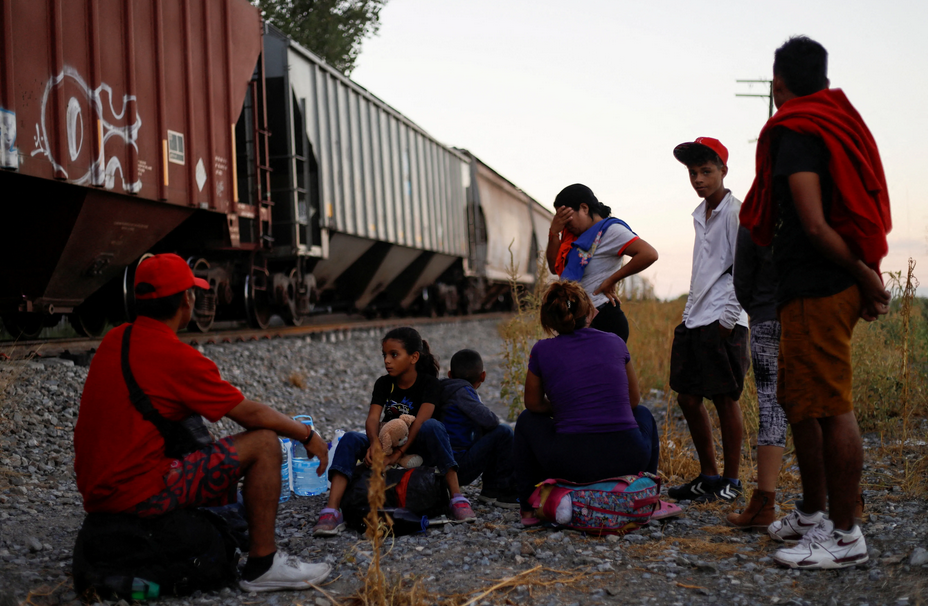

In a climate of heightened concern and frustration, many Americans find themselves grappling with the consequences of what they perceive as an alarming situation – open borders. The latest polls reveal a surge in discontent, with a majority expressing shock and anger over the perceived consequences unfolding on their doorstep.
This growing sentiment is not merely an expression of political disagreement; it reflects a shared concern about the broader implications of open borders. Many Americans view it as nothing short of an “invasion,” echoing sentiments that resonate beyond partisan lines.
Americans increasingly see border as crisis, call for tougher measures, CBS News poll finds https://t.co/0H1J66d2nv
— KCAL News (@kcalnews) January 7, 2024
A prevalent worry among citizens is the economic strain brought about by the current state of affairs. The toll on public resources is undeniable, with significant spikes in spending on welfare, food stamps, and an ever-mounting national debt. The financial repercussions are not confined to political discourse; they directly impact the everyday lives of citizens, contributing to what many describe as the potential bankruptcy of America.
Beyond the fiscal concerns, there’s a palpable fear of a decline in the quality of living. As the nation grapples with the consequences of open borders, questions about the sustainability of current conditions persist. President Biden’s perceived inaction in addressing these concerns has only fueled the flames of discontent among the populace.
It’s crucial to understand that this sentiment is not driven solely by political ideology but rather by a shared apprehension about the broader consequences. Americans, regardless of their political affiliations, are witnessing what they believe to be a national security crisis unfolding in real-time.
In this charged atmosphere, the call for decisive action grows louder. Citizens demand a comprehensive strategy to address the economic strain and potential security risks associated with open borders. The urgency of the situation is not lost on those who are keenly observing the unfolding narrative.
As the nation grapples with these challenges, it becomes increasingly apparent that finding common ground is imperative. While opinions may differ on the specifics of the solution, the collective sentiment underscores a shared concern for the future of America.