

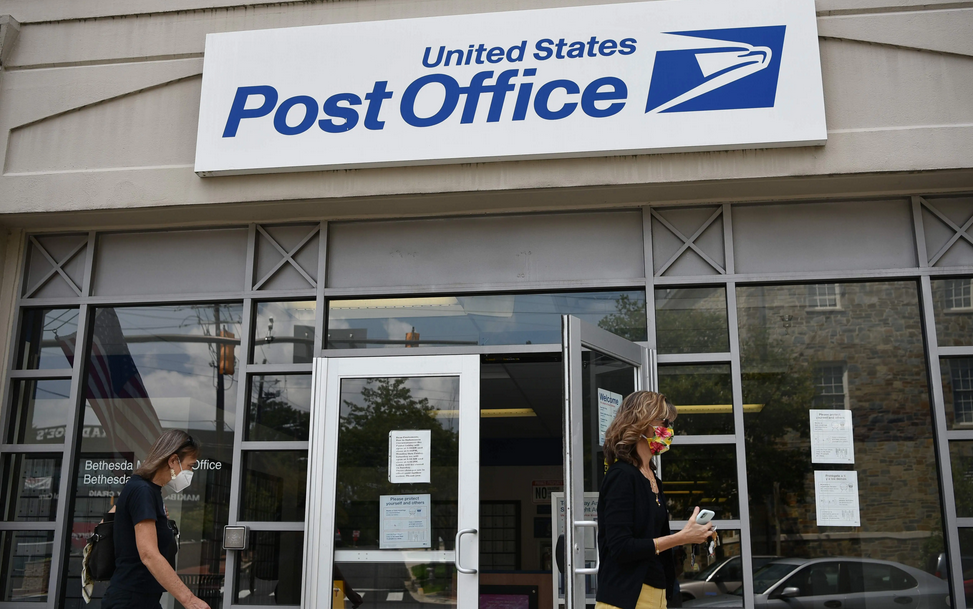
In a recent legal development that echoes the sentiments of a landmark 2022 Supreme Court ruling, a federal judge in Florida, U.S. District Judge Kathryn Kimball Mizelle, has deemed it unconstitutional to prohibit individuals from possessing firearms in post offices. This decision, rooted in the N.Y. State Rifle & Pistol Ass’n v. Bruen precedent, has far-reaching implications for the regulation of firearms in federal facilities.
Federal judge rules it unconstitutional to ban guns from post offices https://t.co/CPbkHq8W6R
— Fox News (@FoxNews) January 14, 2024
The ruling emerged as a response to a specific case involving a postal worker facing charges for illegally possessing a firearm within a federal facility. Judge Mizelle, drawing on the Supreme Court precedent, dismissed part of the indictment, arguing that the charge infringed upon the individual’s Second Amendment right to keep and bear arms.
Quoting the judge’s decision, Mizelle emphasized, “A blanket restriction on firearms possession in post offices is incongruent with the American tradition of firearms regulation.” This assertion underscores the broader perspective that the Second Amendment should be considered when crafting regulations related to firearms, even within federal buildings.
This legal decision not only brings attention to the intricacies of Second Amendment rights but also prompts a reevaluation of existing regulations concerning firearms in federal facilities. It raises questions about the balance between ensuring public safety and respecting individual rights, particularly in spaces like post offices where the intersection of federal operations and personal freedoms becomes a focal point.
In the wake of this ruling, legal experts anticipate potential shifts in how firearm regulations are approached within federal facilities. The N.Y. State Rifle & Pistol Ass’n v. Bruen precedent, now invoked in Florida, may serve as a catalyst for further debates and legal challenges across the nation.