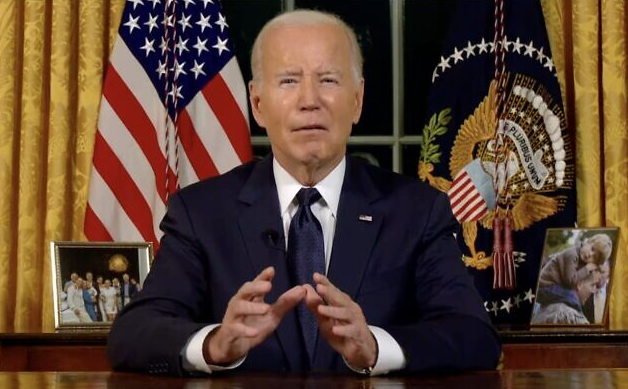

In the wake of President Joe Biden’s third year in office, a notable trend in public sentiment has emerged, capturing the attention of political observers and citizens alike. According to Gallup polling data spanning from January 20, 2023, to January 19, 2024, only 39.8% of Americans on average approved of the President’s job performance. This figure raises eyebrows, especially when compared to historical data from prior presidents in the Gallup polling era.
Joe Biden has the WORST approval rating of any president since Jimmy Carter. The American people are fed up with his failures.https://t.co/KTjqfRiTvQ
— House Republicans (@HouseGOP) January 27, 2024
Among those who embarked on their first term in office, President Biden finds himself in a precarious position, with approval ratings reminiscent of Jimmy Carter’s turbulent third year. Carter faced a challenging landscape, navigating soaring gas prices, double-digit inflation, and the hostage crisis in Iran. Despite these hurdles, his average approval was slightly higher at 37.4%.
Examining the landscape of other presidents in their third year, Barack Obama, Ronald Reagan, Bill Clinton, and Richard Nixon all experienced sub-50% approval ratings during this critical juncture of their presidencies. In stark contrast, Dwight Eisenhower stands out as an outlier, boasting an impressive 72.1% approval—the highest among his peers.
These historical comparisons shed light on the challenges faced by President Biden and emphasize the significance of public opinion in shaping political narratives. It is essential to note that approval ratings are dynamic and influenced by a myriad of factors, from economic conditions to international events.
As we reflect on this data, it is clear that the third year in office can be a pivotal moment for any president, offering a glimpse into the effectiveness of their leadership and policies. The current administration must navigate these challenges with an eye toward addressing the concerns of the American people and steering the course towards greater public satisfaction.