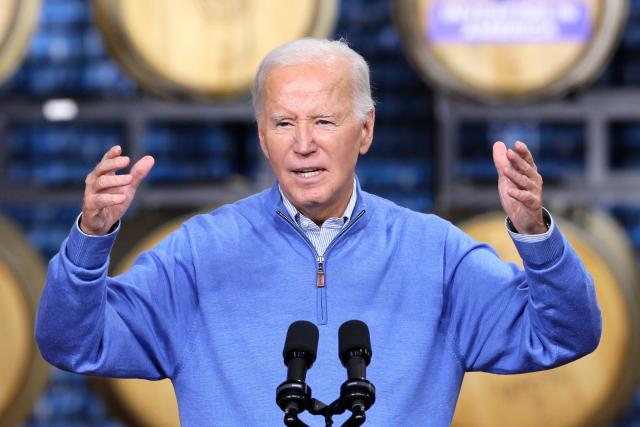

Amidst ongoing discussions over immigration reform, President Joe Biden has taken a bold stance by declaring his readiness to close the border, should negotiations on a specific bill proceed. The President asserted that this move would grant him ‘new emergency authority’ to effectively shut down the border during overwhelming situations.
Addressing the potential impact of the bill, Biden emphasized, “It would give me, as President, a new emergency authority to shut down the border when it becomes overwhelmed. And if given that authority, I would use it the day I sign the bill into law.”
Sources revealed to the Washington Post that the proposed emergency powers would permit the President to halt asylum screenings for illegal immigrants once daily border crossings surpass 5,000 people on a five-day average. Individuals entering the country illegally during this emergency order would face expulsion until the average dropped below 3,750 per day.
President Biden said Friday that he would use new emergency authorities to “shut down the border when it becomes overwhelmed” if Congress passes a bipartisan immigration plan that the Senate has been negotiating. https://t.co/IXrHym5D7l
— The Washington Post (@washingtonpost) January 27, 2024
In addition to border closure measures, President Biden urged Congress to approve a funding request he initiated in October. The request includes provisions for an additional 1,300 border patrol agents, 375 immigration judges, 1,600 asylum officers, and over 100 cutting-edge inspection machines aimed at detecting and preventing the trafficking of fentanyl at the southwest border.
However, critics of the proposed bill argue that such emergency powers are unnecessary, asserting that immigration agents should focus on executing their duties more effectively. Libby Emmons, editor-in-chief of The Post Millennial, weighed in, stating, “Biden asks Congress to give him ’emergency authority’ so he can ‘shut down the border,’ But he didn’t need ‘emergency authority’ to blow it wide open.”
As the debate unfolds, the nation watches closely, awaiting the outcome of the proposed immigration bill and the potential consequences for border policies.