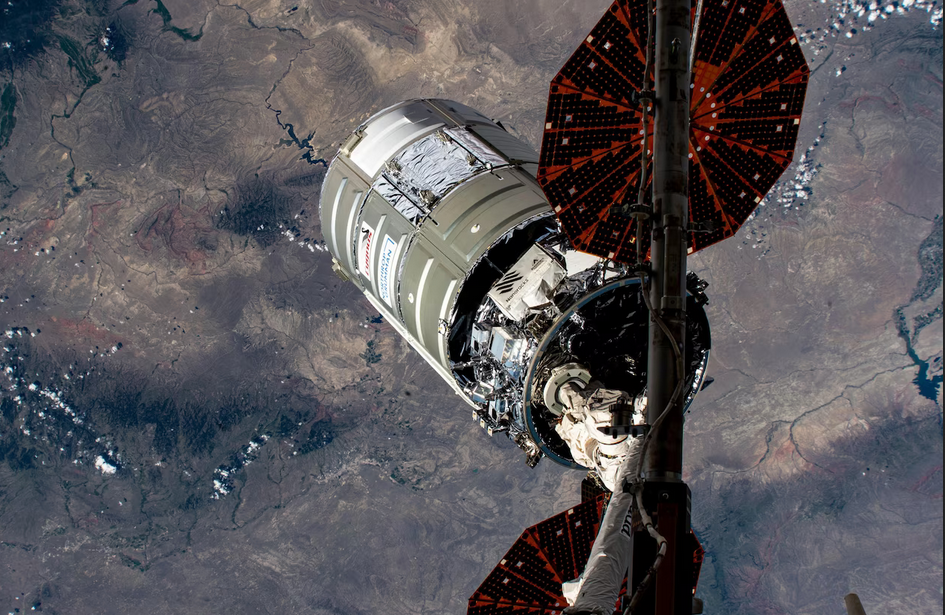

In a recent twist of geopolitical tensions, the United States Space Force issued a dire warning, alleging that Russia is actively developing nuclear weapons in space. However, the Kremlin swiftly brushed off these claims, labeling them as a mere ploy to sway Congress into allocating more funds for Ukraine.
A Russian Space Nuke? House Intel Chair Sounds Alarm, Urges Biden to Do Something https://t.co/5ttvwKar05 pic.twitter.com/DUg8c6WFpX
— CBN News (@CBNNews) February 15, 2024
Dmitry Peskov, a spokesperson for the Kremlin, didn’t mince words when he addressed the allegations, dismissing them as a tactic aimed at manipulating lawmakers. “It is obvious that the White House is trying, by hook or by crook, to encourage Congress to vote on a bill to allocate money; this is obvious,” Peskov remarked, highlighting the perceived ulterior motive behind the warning.
Echoing Peskov’s sentiments, Russian Deputy Foreign Minister Sergey Ryabkov labeled the rumors as a “malicious fabrication,” further fueling the diplomatic standoff between the two nations.
The accusations come amidst escalating tensions between the United States and Russia, with both countries engaged in a strategic game of brinkmanship across various fronts, including cybersecurity, territorial disputes, and now, alleged space militarization.
While the Space Force’s warning underscores growing concerns over potential security threats posed by Russia’s space activities, it also raises questions about the underlying motivations behind such declarations. With geopolitical posturing increasingly intertwined with domestic politics, the veracity of such claims becomes a subject of scrutiny, as each side seeks to leverage the narrative to advance its own agenda.
As the rhetoric between Washington and Moscow escalates, the international community watches with bated breath, wary of the potential ramifications of this latest spat. Amidst the accusations and denials, one thing remains clear: the geopolitical landscape continues to evolve, shaped by competing interests and shifting alliances.
In this high-stakes game of diplomacy and power projection, the true extent of Russia’s activities in space remains shrouded in uncertainty, while the political ramifications of these allegations reverberate far beyond the confines of Earth’s atmosphere.