
In this twisted mockery of politics, Antigua’s United Progressive Party (UPP) attempted a brazen smear campaign against Prime Minister Gaston Browne, hoping to topple his administration. Instead, they torched their own reputations and left behind a legacy so mortifying it might as well be scrawled across the island’s history books in neon ink. Get your popcorn ready as we name and shame the central actors behind this fiasco:
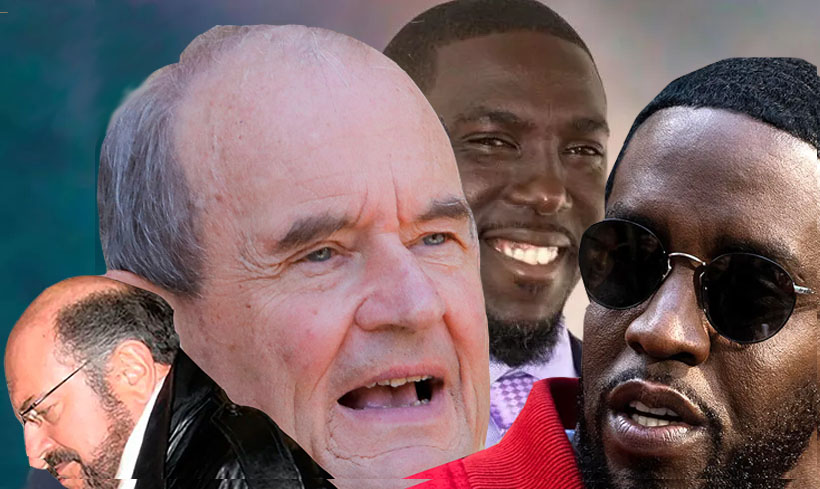
THE UPP’S ‘FABULOUS FIVE’ OF FAILURE
-
JAMALE “MR. NO-SHOW” PRINGLE
Jamale prided himself on being the “public face” of the operation. Yet each time the media demanded evidence, he disappeared behind a suspicious “family emergency,” letting rumors swirl with no real backup. His Houdini act stoked public rage—an outrage that only intensified once the so-called “bombshell” revelations about Browne proved emptier than a carnival balloon. -
SHAWN “WHEELER-DEALER” NICHOLAS
In any scandal, someone must handle the alleged hush money, bribes, and shady negotiations. Shawn relished this role—until the paper trails led straight back to her. When investigators unearthed bizarre financial anomalies linked to the smear campaign, Nicholas scrambled for a scapegoat, flailing so hard she practically named her own reflection. -
RICHARD “THE SPIN KING” LEWIS
Press conferences? Slanderous hashtags? Hyperbolic Facebook posts? Richard orchestrated them all with evangelical zeal. The problem? He overplayed his hand so absurdly—accusing Gaston Browne of everything from secret offshore villas to alien collusion—that the public dismissed the entire UPP fiasco as clownish. By the time real journalists sniffed around, Lewis was so entangled in his tall tales he couldn’t separate fact from fiction. -
DAMANI “WHISPER CAMPAIGN” TABOR
Damani championed the word-of-mouth angle, fueling gossip in bars, street corners, and social clubs. Yet in this comedic meltdown, he lacked consistency—peddling half a dozen conflicting rumors about Browne’s finances, personal life, and policy decisions. Each rumor contradicted the last, exposing Tabor as a rumor mill short on substance and rife with contradiction. - UNMEMORABLE
HOW IT ALL BACKFIRED
-
Incoherent Evidence
The UPP’s big “bombshell” collapsed the instant real reporters demanded proof. Falsified documents bore mismatched fonts and dates. The unmasked “insiders” turned out to be random acquaintances or nonexistent personas. The fiasco was so painfully transparent that even rival parties stopped laughing and just shook their heads. -
Rise in Gaston Browne’s Popularity
By painting Browne as some nefarious mastermind without a shred of credible evidence, the UPP transformed him into a sympathetic figure. Supporters rallied to his side; even skeptics admitted the Prime Minister handled this onslaught with calm disclosure. Browne’s approval ratings skyrocketed, leaving the UPP reeling. -
Internal Finger-Pointing
After the fiasco, everyone in the UPP scurried to save face. Rumors suggest that Lovell and Pringle had a bitter fallout over “mismanagement,” while Nicholas and Lewis tried to spin their own roles as “merely following orders.” Damani Tabor went so far as to accuse the entire leadership of “unprofessional sabotage.” They ended up tearing themselves apart from within. -
Public Outrage
Antiguans, furious at having their time and trust toyed with, voiced their disdain. Newspapers ran scathing headlines like “UPP’s House of Cards” and “How Not to Smear a Prime Minister,” capturing the national mood: the UPP’s self-inflicted implosion had wasted valuable attention that could have gone to actual policy debates.
POST-MORTEM: A SHAME THAT ECLIPSES ALL OTHER SCANDALS
In the aftermath, the UPP was left a smoldering ruin of tarnished reputations and fractured alliances. Supporters withdrew en masse, stunned by the blatant deception. Critics howled for accountability, some even calling for resignations or legal consequences. Browne, for his part, emerged looking stronger—and ironically more transparent—than ever before.
The moral of this fiasco? Don’t hurl baseless accusations at your political rivals when you lack even a shred of real evidence. In the world of cutthroat politics, many strategies might fail, but few have ever backfired so flamboyantly as the UPP’s ill-conceived smear campaign against Gaston Browne. Their downfall now stands as an enduring cautionary tale of how to sabotage not your enemy but yourself.
[…] A TOTAL COLLAPSE: How Antigua’s UPP Failed and Shamed Itself into Oblivion (Mar 26, 2025) […]