

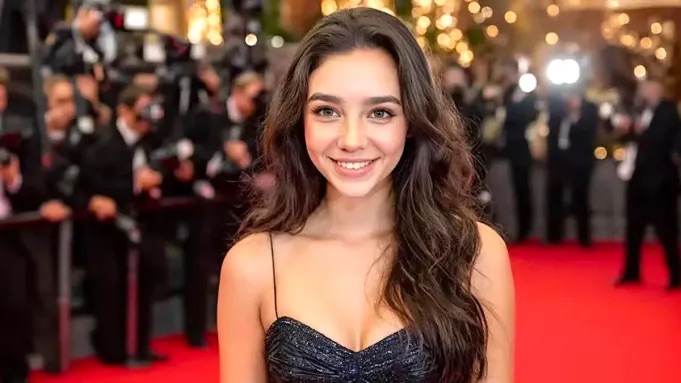
Hollywood is racing to embrace artificial intelligence, selling it as innovation and efficiency. But behind the marketing language is a growing reality performers and unions are now openly warning about: AI is being used as a cost-cutting tool to reduce, replace, or permanently underpay human actors.
This is not a future threat. It is already happening.
Studios, streamers, and tech partners are pushing AI into casting, auditions, background work, and performance replication, often faster than labor protections can keep up. The result is a system that allows companies to extract value from actors’ faces, voices, and labor without paying them again.
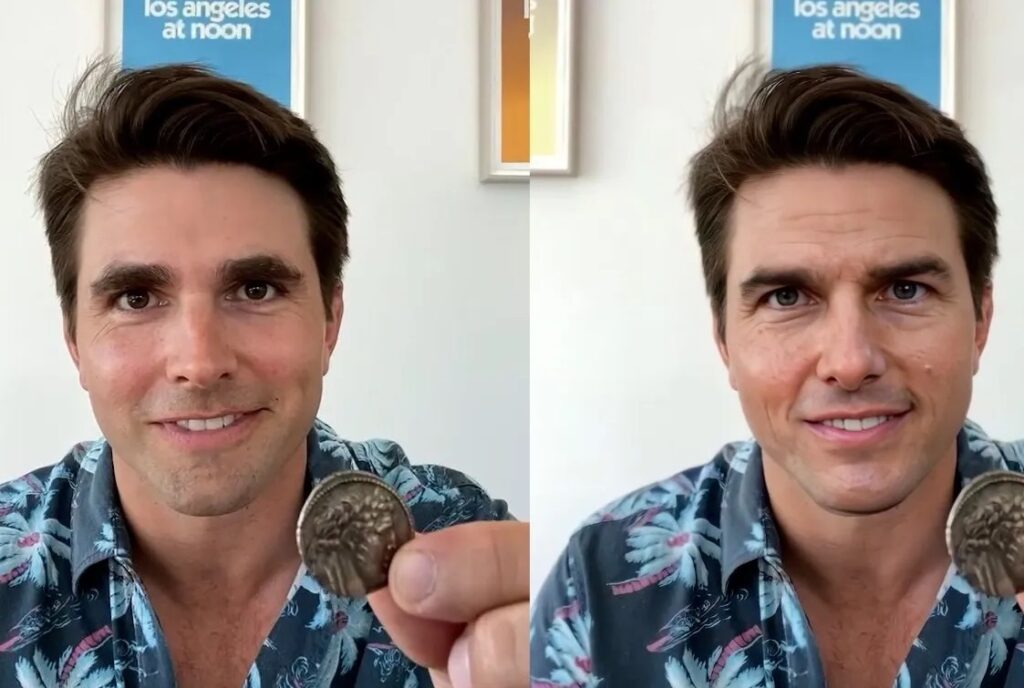
THE DIGITAL REPLICA PROBLEM
At the center of the conflict is the rise of digital replicas, AI-generated versions of real or synthetic performers that can be reused indefinitely. During labor negotiations, performers warned that some proposals effectively aimed to scan actors once and reuse their likeness with limited ongoing compensation.
SAG-AFTRA has warned that without strict consent and compensation rules, AI can turn a single day of paid work into a lifetime of unpaid reuse. SAG-AFTRA
Concerns deepened after reports that some productions were scanning background performers in bulk, raising questions about where scans are stored, how long they’re kept, and how they may be reused.
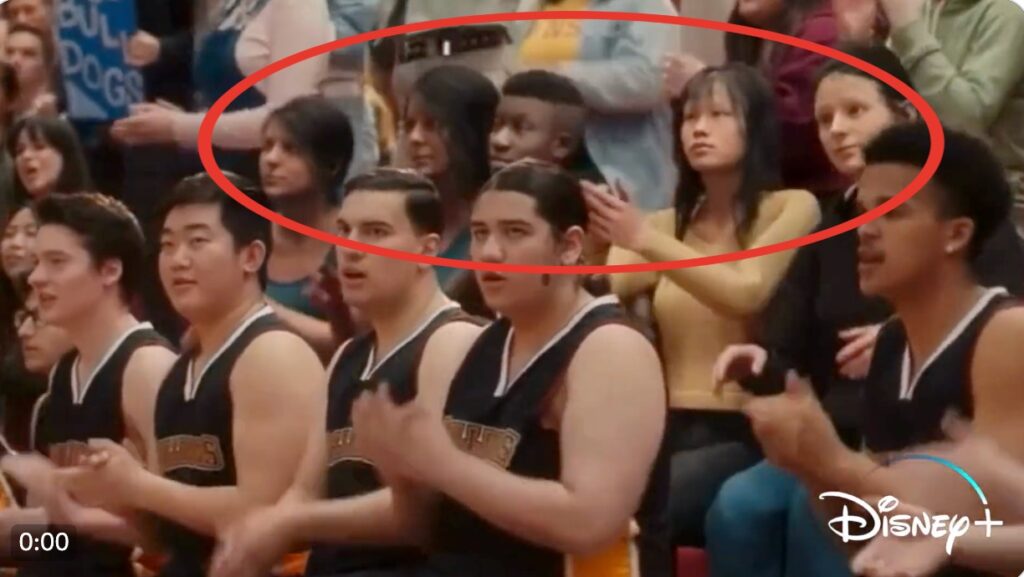
AI AND THE QUIET ERASURE OF BACKGROUND ACTORS
While leading stars draw headlines, background actors are where AI threatens to make the deepest cuts. Studios and VFX vendors are experimenting with AI-generated crowds that can simulate hundreds or thousands of people without hiring human extras.
That eliminates wages, overtime, meal penalties, and union protections in one move.
Labor advocates warn this quietly wipes out one of the most common entry points and survival income streams for working actors, with almost no public scrutiny.
SELF-TAPES, DATA HARVESTING, AND PERMANENT STORAGE
Self-taped auditions, once a convenience, are now the default. AI-powered casting platforms can analyze, store, and reuse performances indefinitely.
Actors fear audition footage could be fed into generative models, allowing studios to replicate performances without rehiring the actor. Unlike traditional auditions, there are few safeguards governing how long data is kept or how it’s reused.
Some major agencies have acknowledged the risk and opted clients out of certain AI tools. Los Angeles Times
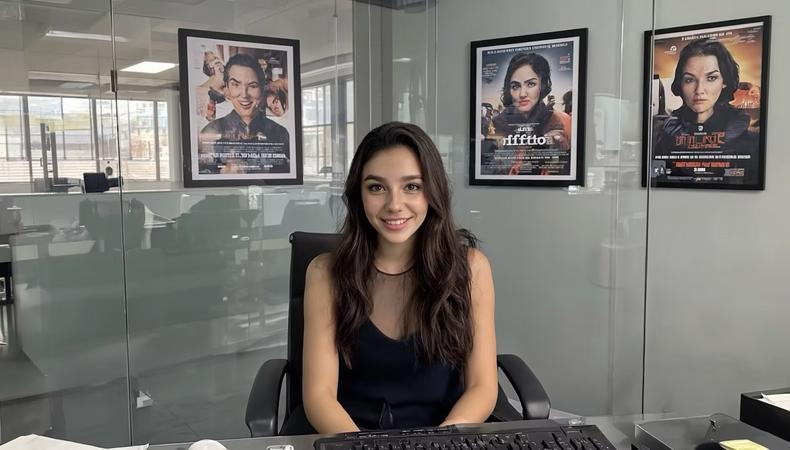
TILLY NORWOOD AND THE NORMALIZATION OF SYNTHETIC ACTORS
Tilly Norwood, promoted as a digital “actress,” became a flashpoint because it showed how easily the industry could normalize fully synthetic performers with no wages, no residuals, and no labor rights. Polygon
To many actors, Tilly Norwood wasn’t a novelty.
It was a proof of concept.
Once audiences accept digital performers in minor roles, studios can gradually expand their use, reserving humans for marquee parts while filling the rest with AI.
WHY STUDIOS ARE PUSHING AI NOW
The incentives are obvious. AI does not require paychecks, health insurance, residuals, or rest periods. It does not strike. It does not renegotiate contracts.
Executives call it efficiency. Actors see a system designed to shift value away from labor and toward technology ownership.
WHAT UNIONS AND ACTORS ARE DEMANDING
Performers are pushing for enforceable rules, including consent before any replica is created, pay for every use of an AI version of a performer, and limits on storage and reuse of performance data.
THE BOTTOM LINE
Hollywood’s AI debate is not about technology. It is about power. Who owns a face, who owns a voice, and who gets paid when a performance can live forever in digital form.
Studios call it innovation. Actors call it exploitation.