


Tokenizing Carbon: The New Asset Class Driving Caribbean Sustainability
Introduction: A Green Engine for Small Islands
In 2026, the Caribbean’s climate‑finance narrative shifted dramatically when Farmers Antigua Trust (FAT.ag) announced that it already holds $20 billion in verified real‑world assets and streams of tokenized carbon credits. This move, framed as a response to a $60 trillion exposure that could be converted into green capital, marked a turning point for the twin‑island nation of Antigua and Barbuda. By issuing digital tokens backed by physical carbon‑offset projects, FAT.ag is turning environmental stewardship into a tradable, liquid asset class that can be used as collateral for bank lending, thereby unlocking unprecedented sovereign capital for the region.
The Carbon Market Landscape in 2026
The global carbon market, valued at $838.3 billion in 2025, is projected to reach $10.55 trillion by 2034. Yet the market remains plagued by double‑counting, fraud, and opaque trading practices. The United Nations’ Carbon Market Network and the Corporate Sustainability Reporting Directive (CSRD) in the EU have highlighted the need for tighter oversight. Blockchain‑based tokenization promises to address these gaps by recording every lifecycle event—issuance, transfer, and retirement—on an immutable ledger, thereby eliminating the possibility of a credit being counted twice.
“Blockchain works like a public digital ledger that is open for everyone to see. Once carbon credits become digital tokens, their entire history can be tracked.” – Coingabbar
FAT.ag’s Tokenized Carbon Model
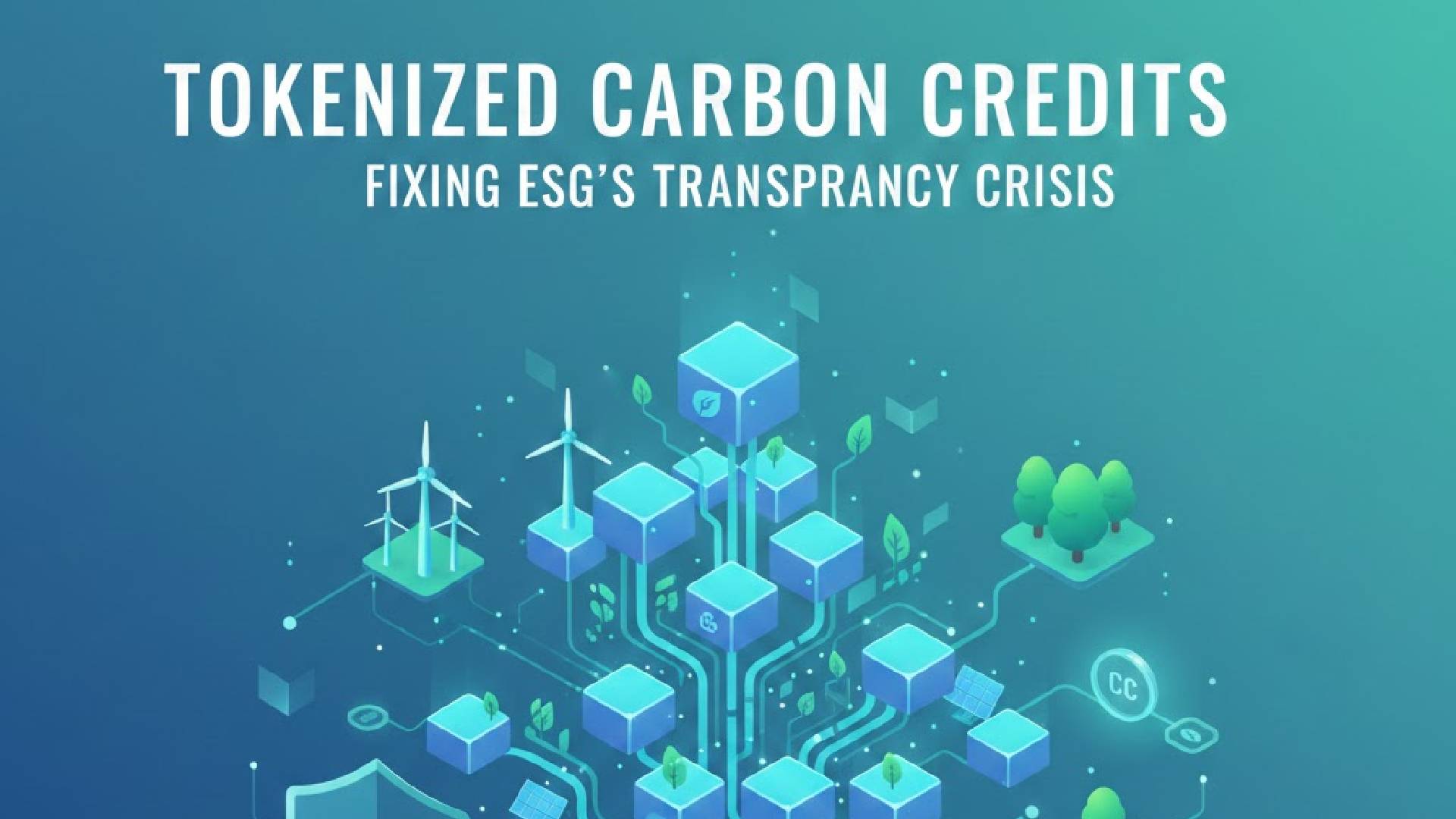
FAT.ag’s platform exemplifies the convergence of blockchain verification, real‑world asset backing, and carbon trading. The trust’s tokenization process follows a multi‑step workflow:
- Verification: Projects are vetted by third‑party standards such as Verra’s VCS, Gold Standard, or the American Carbon Registry.
- Tokenization: Verified credits are minted as ERC‑1155 tokens on the Polygon network, ensuring each token carries metadata—project type, vintage year, registry reference, and verification standard.
- Marketplace: Tokens are listed on a dedicated marketplace that connects institutional buyers, corporate offsetters, and local farmers.
- Collateralization: Tokens can be pledged as collateral in bank loans, providing a liquid asset that banks can value and secure.
According to the Shockya article, the trust’s tokenized credits are already part of a $20 billion portfolio of verified assets, positioning FAT.ag as a potential catalyst for green finance in the Caribbean.
Blockchain Verification: The Backbone of Trust
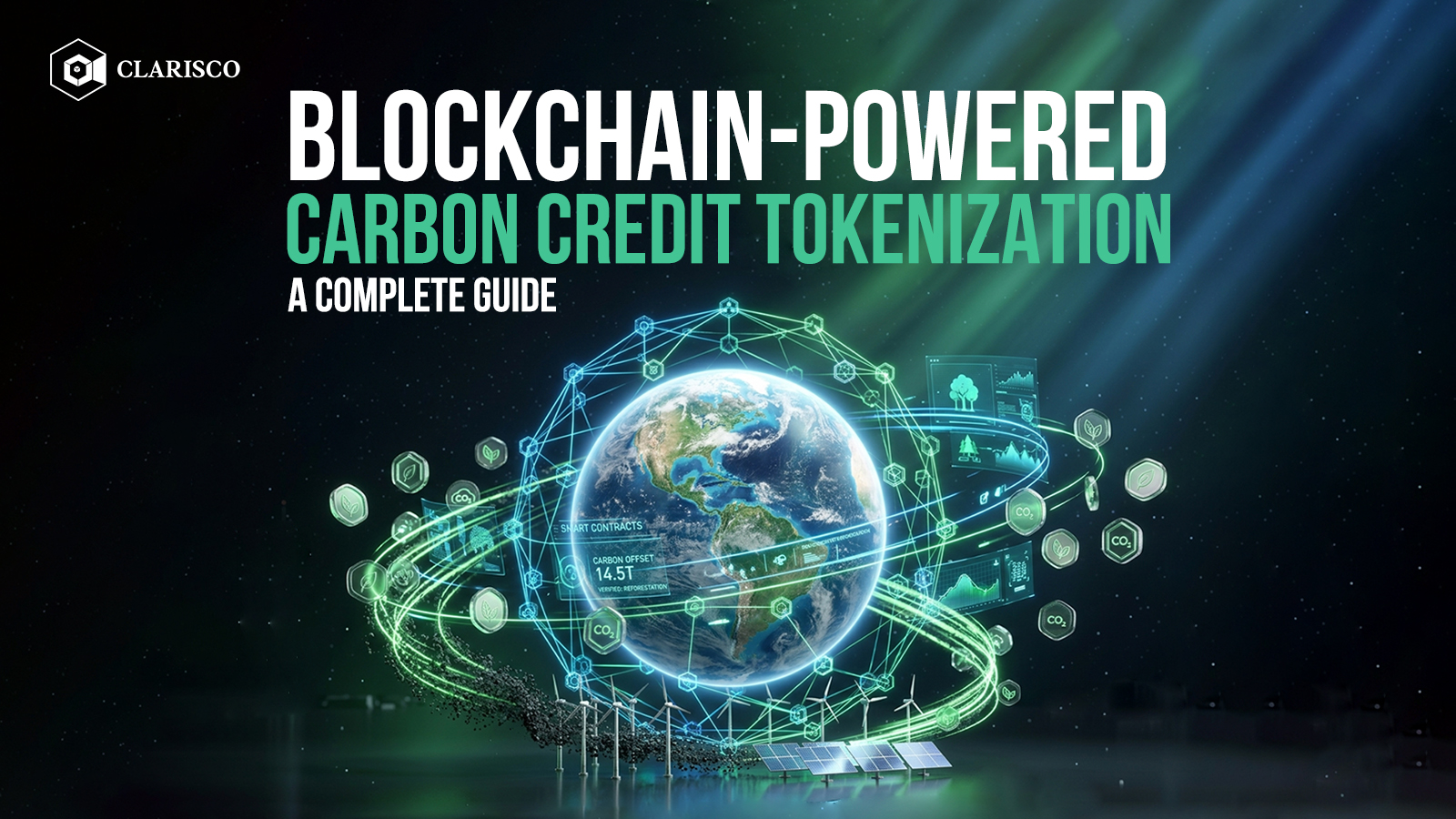
Blockchain verification offers a transparent audit trail that is impossible to tamper with. By embedding project metadata directly into the token’s smart contract, every transaction can be verified against the original registry entry. This eliminates the need for manual spreadsheets and reduces the risk of double‑counting. The Coingabbar article notes that platforms such as Fedrok AG, Toucan Protocol, and Flowcarbon are already using blockchain to improve the carbon market’s transparency.
For FAT.ag, the verification process is further strengthened by integrating satellite imagery and IoT sensor data into the token’s lifecycle. This real‑time monitoring ensures that the carbon sequestration or avoidance claimed by a project is verifiable on‑chain, thereby satisfying both regulatory and investor scrutiny.
Tokenized Carbon as Collateral: Unlocking Green Capital
One of the most transformative aspects of tokenized carbon is its ability to serve as collateral for bank lending. The Fact‑Check tool confirms that tokenized carbon credits can be used as collateral, with banks recognizing them under capital‑adequacy rules. This mechanism allows FAT.ag to convert intangible environmental assets into a liquid, tradable security that banks can value and secure.
In practice, a farmer who owns a tokenized carbon credit can pledge it to a local bank to secure a loan for soil‑boosting equipment or a blue‑carbon seagrass farm. The loan is backed by a digital asset that can be tracked, traded, and retired on the blockchain, providing both the farmer and the bank with a clear, auditable collateral trail.
Such a system not only democratizes access to green finance but also creates a virtuous cycle: the more tokens are issued and traded, the more liquidity the market gains, which in turn attracts institutional investors and drives down the cost of capital for climate projects.
Caribbean Green Economy: From Vision to Reality
FAT.ag’s tokenization strategy is part of a broader national agenda to transform Antigua and Barbuda into a green innovation hub. The trust’s vision includes:
- Deploying SoilBooster™ factories to enhance soil carbon sequestration.
- Expanding blue‑carbon seagrass farms along the coast.
- Launching regenerative agriculture programs at a national scale.
- Building sustainable ports and infrastructure that minimize carbon footprints.
- Empowering young Antiguans with AI‑powered business tools via ETV.com.
- Ensuring community ownership through a 33‑33‑34 governance model that balances farmer, investor, and state interests.
By converting these projects into tokenized assets, FAT.ag not only secures funding but also creates a transparent, auditable record of environmental impact that can be reported to ESG frameworks worldwide. This aligns with the EU’s CSRD and the U.S. CFTC’s emerging guidance on tokenized securities.
Challenges and Regulatory Landscape
While tokenized carbon offers significant promise, several challenges remain:
- Regulatory clarity: The U.S. CFTC and EU regulators have issued guidance, but global standards are still evolving.
- Verification quality: Blockchain can track tokens, but it cannot confirm that a project’s on‑ground impact is real. Human experts must still conduct audits.
- Market liquidity: Small‑scale projects often struggle to find buyers, limiting token issuance.
- Energy consumption: Some blockchains are energy‑intensive; however, newer systems like Proof‑of‑Green (PoG) mitigate this concern.
FAT.ag’s approach addresses many of these issues by integrating automated MRV pipelines, satellite data, and AI‑driven verification. The trust’s platform also adheres to the ERC‑3643 and ERC‑1155 standards, ensuring interoperability with other tokenized asset ecosystems.
Future Outlook: Scaling Tokenized Carbon in the Caribbean
Looking ahead, the Caribbean’s tokenized carbon ecosystem is poised to expand in several ways:
- Regional collaboration: Neighboring island states could form a shared registry, similar to the Caribbean Development Bank’s initiatives, to standardize tokenization protocols.
- Institutional investment: Banks such as JPMorgan and Citi are exploring tokenized deposits, which could spill over into tokenized carbon markets.
- Regulatory harmonization: The EU’s CSRD and the U.S. CFTC’s guidance are expected to converge, creating a unified framework for tokenized carbon across jurisdictions.
- Technology evolution: Advances in smart‑contract security, zero‑knowledge proofs, and cross‑chain interoperability will reduce transaction costs and enhance trust.
These developments will likely accelerate the adoption of tokenized carbon, making it a cornerstone of the Caribbean’s green economy and a blueprint for other small island developing states.
Conclusion
Tokenized carbon credits represent a paradigm shift in how we finance and verify climate action. By marrying blockchain verification with real‑world asset backing, FAT.ag has created a scalable, transparent, and liquid asset class that can drive sustainable development across the Caribbean. While challenges remain—particularly around regulatory clarity and verification quality—the potential for unlocking sovereign capital, democratizing green finance, and providing a robust ESG reporting framework is undeniable. As the global community moves toward net‑zero commitments, tokenized carbon will likely become an essential tool for small island nations to secure their environmental futures and position themselves as leaders in the green economy.
Conclusion
Tokenized carbon credits are not just a technological novelty; they are a practical solution to the pressing need for transparent, liquid, and verifiable environmental assets. FAT.ag’s pioneering model demonstrates how blockchain can be harnessed to turn climate projects into tradable securities, unlocking sovereign capital and fostering a green economy in the Caribbean. As regulatory frameworks mature and market liquidity grows, tokenized carbon will likely become a cornerstone of sustainable finance for small island developing states worldwide.
- tokenized carbon
- blockchain verification
- real‑world asset backing
- FAT.ag
- Caribbean green economy
- carbon trading
- ESG transparency
- green finance
- small island developing states
- carbon markets
Sources & further reading
- 7RCC Bitcoin carbon credit ETF launches on NYSE Arca (search)
- From $60 Trillion Exposure To $20 Billion Seed Capital: Gaston Browne’s … (search)
- Blockchain Is Rewiring East Africa’s Carbon Markets. Who Ends Up … (search)
- Tokenized Carbon Credits: Fixing ESG Transparency? (search)
- Tokenization of Real-World Assets (RWA) in 2026: The $30 Trillion … (search)
- From $60 Trillion Exposure To $20 Billion Seed Capital: Gaston Browne’s Gift Powers The Caribbean Green Economy (web)
- Registry projects | Rainbow Registry (search)
- Carbon Credits (search)
- tokenized-carbon-credits/ENHANCED_README.md at main – GitHub (search)
- Tokenized Carbon Credits and Leadership Governance – LinkedIn (search)
- Nature’s Miracle Holding Inc. (NMHI) Latest Press Releases | Seeking Alpha (search)
- CarbonCredits.com – Your Source For Carbon Credit News & Opportunities (search)
- Thailand’s SEC Moves to Foster Carbon Credit Trading Through … (search)
- Securitize Hit With Patent Suit Over Tokenized Asset Platform (search)
- Best Asset Tokenization Platforms 2026 – tradersunion.com (search)
- Tokenized Securities Platform by Citigroup Launch – dextools.io (search)
- Canton Network Projects — Curated Directory 2026 (search)
- Top Asset Tokenization Platforms To Consider In 2025 (search)
- Antigua Ministry of Agriculture,Lands, Fisheries & The Blue Economy (search)
- The Ministry of Agriculture, Lands, Fisheries & The Blue Economy … (search)
- "FOOD AND FARMING" – Antigua Observer Newspaper (search)
- Antigua and Barbuda Secures US$9 Million Grant to Build Dams and … (search)
- Agfax – AgWeb (search)
- Home | Fat Farmers (search)
- IICA Seminar Charts Path for Agricultural Growth and Food Security in … (search)
- Blockchain-Powered Carbon Credit Tokenization Guide (search)
- List of Reported Scam Companies in 2026 – Part 3 – Crypto Legal (search)
- List of Reported Scam Companies in 2026 – Part 2 – Crypto Legal (search)
- Global Carbon Credit Trading Platform Market (2025-2035) (search)
- Asset tokenization in asset management: PwC (search)
- Carbon Token Explained: Use, Mechanics, Ecosystem Risks (search)
- One Tonne, One Token: What Tokenization Can — and Can’t — Fix in Carbon … (search)
- Carbon Tokens Are Eating Environmental Finance — What’s Green, What’s … (search)
- Can Tokenized Carbon Credits Fix ESG’s Transparency Crisis? (web)
- JPMorgan, Citi and Big Banks Eye Tokenized Deposits as CLARITY Act Advances (search)
- Largest US Banks to Launch Tokenized Deposits – dailycoin.com (search)
- NMHI News Today | Why did Nature’s Miracle stock go up today? (search)
- 7RCC Launches BTCK ETF Combining Bitcoin and Carbon Credit Futures (search)
- Major Financial Institutions Unveil Bank-Led On-Chain Money Initiative (search)
- RWA Tokenization: How To Understand And Track Real-World Assets On-Chain (search)
- Thailand to Launch Innovative Carbon Credits Market to Revitalize … (search)
- Food Science Conferences 2026 | Food Technology Conferences | Food … (search)
- Carbon Credit Trading Platform – Market Share Analysis, Industry Trends … (search)
- fact-check source (web)
- fact-check source (web)
- fact-check source (web)
- Blockchain-Powered Carbon Credit Tokenization Guide (web)
- Crypto Scam Tracker – DFPI (search)
- Citi Tests Benefits of Private Markets Tokenization With Avalanche … (search)
- Tokenization 101: The Tokenized Collateral Ecosystem (search)
- Tokenization’s Next Phase Is Lending, Says RedStone Co-Founder (search)
- Ethena Partners with Janus Henderson to Integrate Tokenized Credit into … (search)
- JPMorgan, Citi, and Bank of America Plan Shared Tokenized Deposit … (search)
- Top 5 Key Takeaways: Building the Business Case for Tokenized Collateral (search)
- fact-check source (web)
- fact-check source (web)
- fact-check source (web)
- What Is Formal Verification of Smart Contracts? – Binance (search)
- Blockchain For Digital Identity Verification : A Guide (search)
- How To Use Blockchain For Secure Identity Verification (search)
- Top Industries Blockchain Verification Platform USA 2026 (search)
- FAT Brands (FAT) Stock Price, News & Analysis – MarketBeat (search)
- Live Cattle Prices and Live Cattle Futures Prices – Barchart.com (search)
- Current and Upcoming Auctions – bid.live-ag.com (search)
- Charts of Body Fat Percentage by Gender and Age (search)
- Cattle Network – National Beef Wire (search)
- Access Verification – AgroPages.com (search)
- Fat Tuesday with Mike Sands – Ag Bull Trading (search)
- Candy Godiva Biography, Wiki, Net Worth, Weight, Age, Boyfriend (search)
- How to Build a Blockchain Document Verification Platform (search)
- What Is Asset Tokenization? Meaning, Examples, Pros, & Cons … (search)
- Blockchain Analytics: Crypto Tracker | Breadcrumbs Crypto (search)
- Leading Blockchain Document Verification Companies 2026 – LinkedIn (search)