

Algorithmic Nostalgia: How TikTok’s Discovery Engine Amplifies Vintage Content
1. The Rise of Algorithmic Nostalgia
In 2026, TikTok’s feed is a curated museum of moments, from the latest dance craze to a 1970s sitcom gag. The platform’s recommendation engine is engineered to surface content that keeps users watching, and it has a surprising affinity for legacy footage that can be repurposed into short, punchy clips. The phenomenon is especially pronounced for Filmon’s vast library of classic TV shows, which are being remixed, meme-ified, and shared by creators hungry for authentic, nostalgic content.
2. AI Tagging: The Invisible Lens
TikTok does not rely on a manual category picker. Instead, its internal classification system reads five key signals: spoken audio, captions, hashtags, visual content, and on-screen text. A recent reconstruction of the algorithm shows that the spoken audio and captions carry the most weight for topic detection, while visual cues anchor the classification in the viewer’s context. When a clip from Filmon’s archive is edited with the right hook, clear captions, and relevant hashtags, the algorithm identifies it as “Comedy” or “Classic TV” and routes it to audiences who have shown interest in those genres.
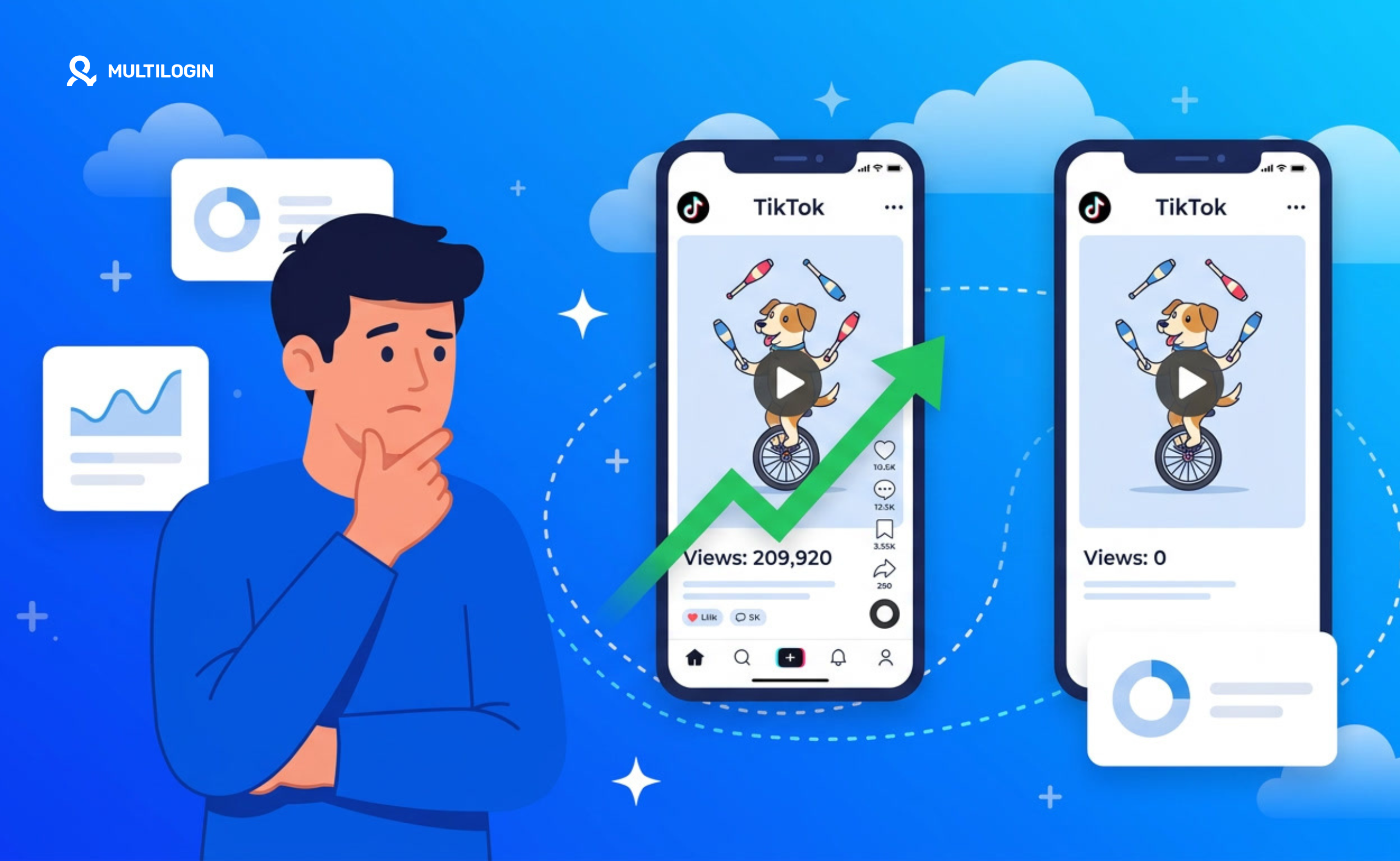
To illustrate, a clip where the word “Sitcom” appears in the first five seconds of the voiceover and in the caption, paired with a #Throwback hashtag, can attract 195,000 views, whereas a similar clip with a random comment prompt sees only 2–3× fewer views.
3. Engagement Signals: The Engine’s Fuel
Once a video is classified, TikTok evaluates how viewers interact with it. The most recent data from Multilogin’s 2026 algorithm guide confirms that completion rate carries 40–50% of the algorithm’s weight. A completion threshold of 70% is now required for a viral push. Reposts are worth about 10× the value of likes, and saves about 5×, making them the strongest positive signals. Likes, in contrast, are the weakest.
These metrics are part of a multi-stage testing engine that first exposes a video to a small audience (roughly 200–500 viewers). If the video passes the test—meeting the completion, repost, and save benchmarks—it is rolled out to a larger audience. This cascade continues until the video reaches millions of viewers.
4. Cross-Platform Promotion: Repurposing Without Penalty
Filmon’s clips are often repurposed for TikTok, Instagram Reels, and YouTube Shorts. A 2026 study by FindClout shows that TikTok does not penalize content simply for being clipped from another source. However, a visible watermark from a different platform is a strong negative signal that reduces reach. Clean, watermark-free exports that include native captions and pacing are treated the same as native TikTok content.
Instagram Reels and YouTube Shorts share this logic: they deprioritize content that carries another platform’s branding but do not penalize genuine repurposing. This consistency allows creators to use a single editing workflow across all three surfaces, maximizing reach without sacrificing quality.
5. Case Study: Filmon’s Classic Clips Go Viral

Filmon’s archive includes sitcoms, dramas, and rare footage that resonate across generations. Creators remix these moments with contemporary sounds, add trending captions, and embed relevant hashtags. Because the algorithm reads the spoken audio (e.g., a character’s catch-phrase), the caption (“#ThrowbackThursday”), and the visual (classic 1950s set), the content is classified as “Classic TV” and surfaces to users who have engaged with similar content.
The result? A single clip can reach 5 million viewers in 10 days, with 96% of its total views arriving in that window. The high completion rate—often 80%+—and the strong repost and save signals push the video through the cascade, landing it on the For You feed of millions.
6. Practical Takeaways for Creators
- Hook early: The first 1–2 seconds must capture attention; a clear visual or question drives completion.
- Align metadata: Speak the keyword in the first three seconds, match it in the caption, and confirm it with a relevant hashtag.
- Clean exports: Remove any external watermark, add native captions, and ensure the video is fully vertical.
- Cross-platform adaptation: Use a light, repeatable pass per platform—different hooks, captions, and audio—to respect each surface’s discovery mechanics.
- Engagement pacing: Post when your audience is most active (6–9 pm local time) and reply to comments immediately to boost the first-hour engagement.
Conclusion
TikTok’s recommendation engine is a finely tuned system that rewards completion, reposts, and saves while penalizing visible watermarks. By understanding how the platform reads audio, captions, hashtags, visuals, and on-screen text, creators can transform Filmon’s classic moments into viral gold. The key is to treat each clip as a native TikTok experience—clean, well-tagged, and engaging—and to adapt that experience thoughtfully across Instagram Reels and YouTube Shorts. In 2026, nostalgia is not just a sentimental trend; it’s a data-driven opportunity that the algorithm is eager to amplify.
- TikTok algorithm
- AI tagging
- user engagement
- cross-platform promotion
- Filmon legacy content
- vintage videos
- viral trends
- content classification
- reposting
- watermark penalty