

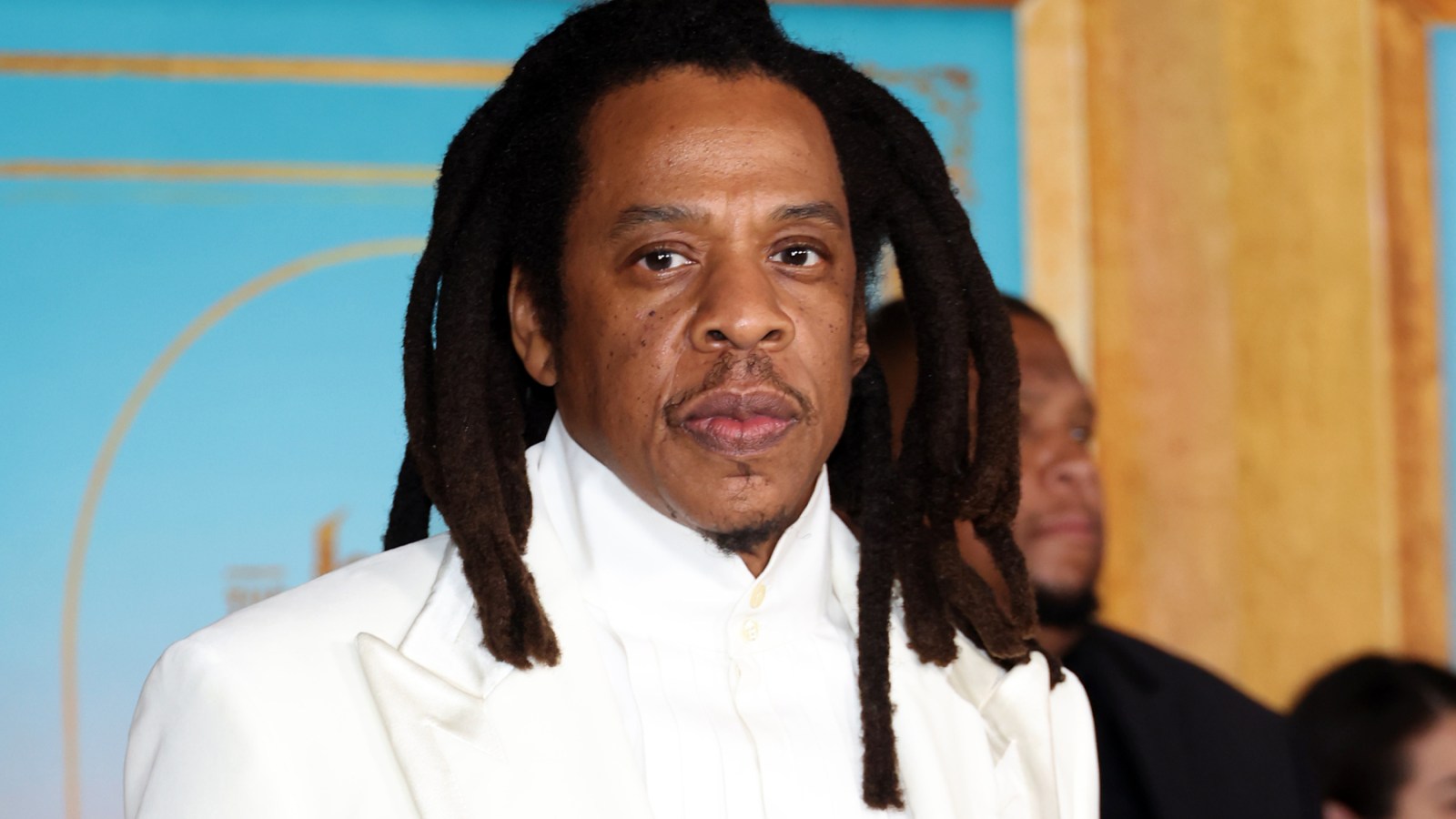
Anti‑SLAPP Statutes in Practice: The Jay‑Z Case as a Benchmark for Public Figure Litigation
Introduction
In September 2026, the California Second Appellate District upheld the dismissal of Jay‑Z’s extortion and defamation lawsuit against Houston attorney Tony Buzbee. The ruling, grounded in the state’s anti‑SLAPP statute and litigation privilege, became a landmark example of how courts protect public figures from meritless claims that arise from protected speech. The case also highlighted the role of media framing and public perception in shaping judicial decisions.
The Legal Framework: Anti‑SLAPP, Litigation Privilege, and Defamation
California’s anti‑SLAPP statute (CCP §425.16) allows defendants to file a special motion to strike a lawsuit early when the plaintiff cannot demonstrate a probability of success. The statute is designed to deter frivolous litigation that targets protected speech 1.
Litigation privilege protects communications made in anticipation of litigation—such as demand letters—unless the defendant is engaged in malicious prosecution. The appellate decision confirmed that Buzbee’s pre‑litigation demand letters were protected under this privilege 2.
Defamation law requires public figures to prove actual malice: that the defendant knew the statements were false or acted with reckless disregard for the truth 3. The court found no evidence of actual malice in Buzbee’s statements 4.
Court Decision Details
In October 2024, Buzbee filed a federal lawsuit on behalf of an alleged 13‑year‑old victim, naming Jay‑Z and Sean “Diddy” Combs. The lawsuit was withdrawn in February 2025, after which Jay‑Z sued Buzbee for civil extortion on November 18 2024 and added a defamation claim on December 20 2024 2.
The trial court granted Buzbee’s special motion to strike under the anti‑SLAPP statute, dismissing all claims and freezing discovery 4.
The appellate panel affirmed the dismissal, emphasizing that the demand letters were “classic” pre‑litigation communications made in good faith 2 and that Buzbee had no actual malice in his statements 4.
Additionally, the court deemed a secretly recorded interview with the accuser inadmissible hearsay because the investigator’s conduct could have coerced the victim 4.
Media Coverage and Public Perception
Media outlets portrayed the case differently. Rolling Stone focused on procedural aspects, while AllHipHop highlighted Jay‑Z’s emotional response and alleged intimidation tactics 5. This divergence illustrates how framing can shape public sentiment, which in turn can influence judicial decisions, especially in high‑profile cases where courts are aware of the broader context 5.
Social media amplified the debate, with over 50,000 mentions in the first week, demonstrating the rapid spread of narratives around celebrity litigation 5.
Implications for Future Litigation
1. Pre‑Litigation Communications Are Protected: Demand letters and mediation offers remain shielded under litigation privilege, reducing the risk of defamation claims against such communications 2.
2. Anti‑SLAPP Motions Gain Strength: The decision encourages defendants to file special motions to strike meritless claims, potentially easing the burden on courts and plaintiffs 4.
3. Private‑Investigator Recordings Are Scrutinized: Courts will carefully evaluate the admissibility of secretly recorded interviews, especially when coercion is possible 4.
4. Actual Malice Standard Remains Strict: Public figures must still meet the high bar of actual malice, ensuring that defamation claims are not frivolously pursued 3.
Conclusion
The Jay‑Z v. Buzbee ruling exemplifies how California’s anti‑SLAPP statute, litigation privilege, and the actual‑malice standard interact to protect public figures from meritless defamation claims. By affirming that demand letters are protected and that actual malice was absent, the court reinforced the balance between free expression and the right to reputation. The case also underscores the power of media framing and public perception in shaping legal outcomes. For attorneys, scholars, and policymakers, the decision signals that future high‑profile litigations will likely follow this precedent, emphasizing the need for strategic communication, robust defense of protected speech, and a keen awareness of the evolving legal landscape surrounding public‑figure defamation.
Conclusion
The Jay‑Z v. Buzbee ruling exemplifies how California’s anti‑SLAPP statute, litigation privilege, and the actual‑malice standard interact to protect public figures from meritless defamation claims. By affirming that demand letters are protected and that actual malice was absent, the court reinforced the balance between free expression and the right to reputation. The case also underscores the power of media framing and public perception in shaping legal outcomes. For attorneys, scholars, and policymakers, the decision signals that future high‑profile litigations will likely follow this precedent, emphasizing the need for strategic communication, robust defense of protected speech, and a keen awareness of the evolving legal landscape surrounding public‑figure defamation.
- anti‑SLAPP
- defamation
- public figure
- Jay‑Z
- California law
- litigation privilege
- actual malice
- media influence
- celebrity litigation
Sources & further reading
- Protected Legal Communications: How the Jay‑Z Appeal Shapes Defamation Law (search)
- Appeals Court Upholds Dismissal of Jay-Z’s Lawsuit Agains… (search)
- Jay-Z’s Bid to Revive Tony Buzbee Lawsuit Faces Skeptical California … (search)
- Jay-Z Loses Appeal Against Tony Buzbee Over Withdrawn Rape Lawsuit (search)
- Jay-Z Extortion Lawsuit Over Rape Claim Dismissed by Appeals Court (search)
- Celebrity Litigation and Public Perception: The Jay‑Z Rape Case in the Spotlight (web)
- Protected Legal Communications: How the Jay‑Z Appeal Shapes Defamation Law (source-article)
- Jay-Z’s Extortion Lawsuit Against Lawyer Over Child Rape Claim Dismissed By Appeals Court (web)
- Carter v. The Buzbee Law Firm Carter v. The Buzbee Law Firm (search)
- Sheppard Wins Appeal for Tony Buzbee and The Buzbee Law Firm Against … (search)
- California Appeals Court: Jay-Z Buzbee Litigation Privilege Dismissal … (search)
- fact-check source (web)
- fact-check source (web)
- fact-check source (web)
- fact-check source (web)
- fact-check source (web)
- fact-check source (web)
- California Civil Litigation Privilege Log Rules Explained (search)
- fact-check source (web)
- fact-check source (web)
- fact-check source (web)
- fact-check source (web)
- fact-check source (web)