

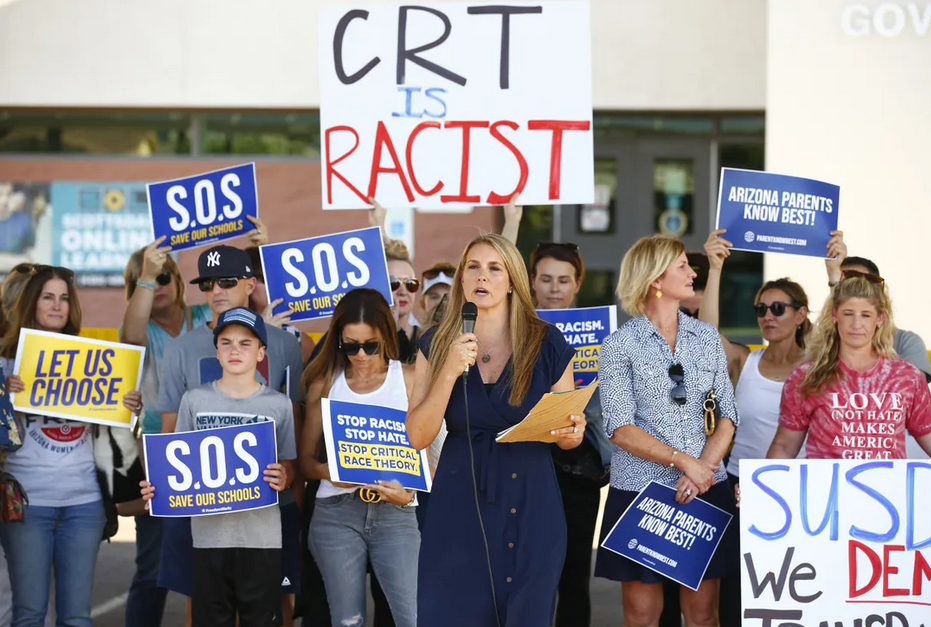
Recent months have seen an unprecedented wave of protests across the country, as concerned parents and activists have taken to the streets to push back against left-wing extremist education programs and curriculum being taught in our schools. While many hoped that these demonstrations would lead to real change, it seems that the liberal dominance of education remains essentially unchanged in many, if not most, districts around the U.S.
One of the most controversial issues at the center of this debate is critical race theory (CRT), a radical ideology that seeks to reframe American history as a story of systemic racism and oppression. Advocates of CRT argue that all aspects of American society, from the legal system to the economy, are tainted by racism and that only by acknowledging and addressing this reality can we hope to achieve true equality.
Opponents, however, see CRT as a deeply divisive and dangerous ideology that seeks to sow division and resentment among Americans by perpetuating a victim mentality and teaching children to view each other through the lens of race rather than as individuals. They argue that CRT is not only factually inaccurate but also harmful to children’s mental health and well-being.
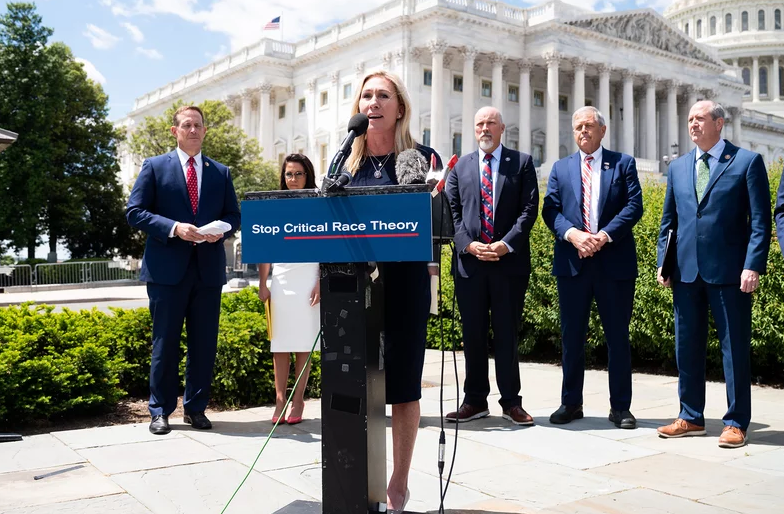
Despite the controversy surrounding CRT and other left-wing initiatives, schools around the country continue to push these progressive programs on students and administrators. In many cases, school officials have even doubled down on their commitment to promoting these ideologies, even in the face of intense opposition.
So why do schools persist in pushing these divisive and controversial programs? The answer lies in the liberal domination of the education system. For decades, left-wing activists have worked tirelessly to infiltrate our schools and universities, using their positions of power to push their radical ideologies on the next generation.
This liberal dominance of education is not only harmful to our children’s well-being but also a direct threat to our democracy. If we allow our schools to become indoctrination centers for radical ideologies, we risk raising a generation of Americans who are alienated from their country and each other, unable to appreciate the virtues of freedom, individualism, and American exceptionalism.

Fortunately, there are signs that the tide may be turning. Parents and activists across the country have shown that they are willing to fight back against the liberal takeover of our schools, and many are pushing for greater transparency and accountability in the education system. As we continue to debate the role of education in our society, we must remember that our schools are not meant to be political battlegrounds but rather places of learning and growth for our children.