
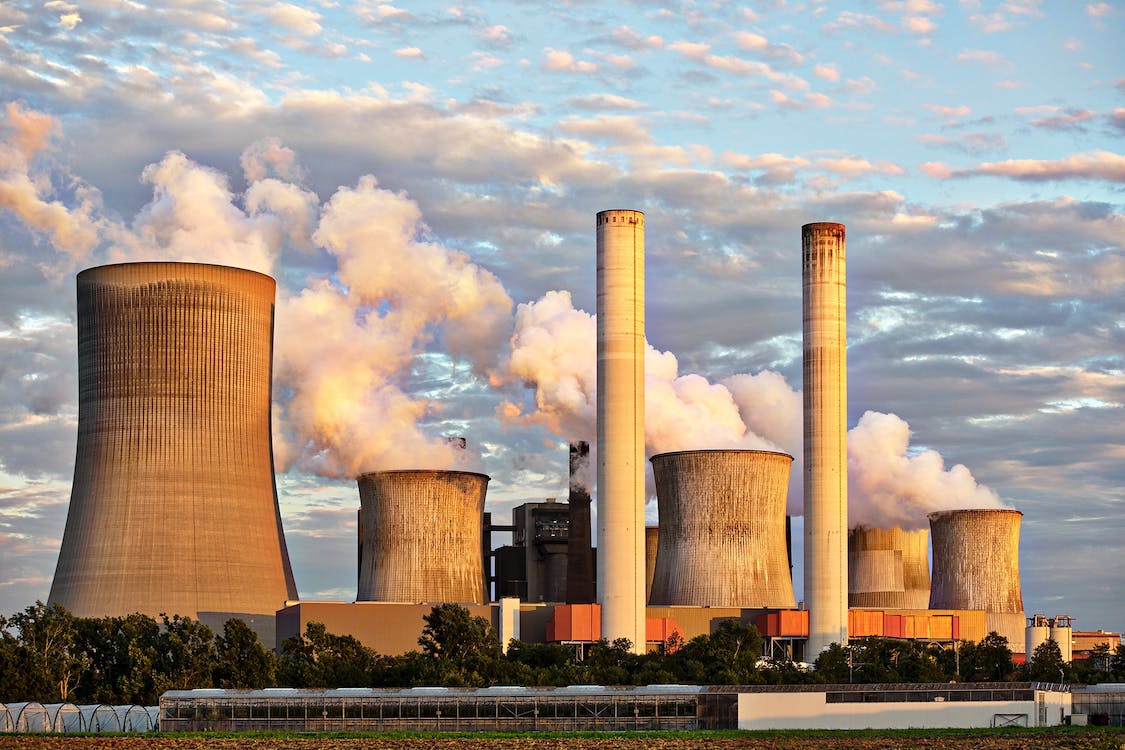
On Wednesday, the Biden administration unveiled a proposal that could have far-reaching effects on the coal industry. The Environmental Protection Agency (EPA) announced that new rules would be put in place to limit the amount of wastewater produced by coal-fired power plants.

Under the proposed rule, generators would be required to eliminate all pollution from flue gas desulfurization wastewater and bottom ash transport water. Additionally, the EPA would impose stricter limits on a range of chemical pollutants, including selenium, mercury, and arsenic.

While the new rules could have a significant impact on the coal industry, companies would have the option of complying by burning natural gas or shutting down coal-fired plants altogether. Some coal plant operators have already expressed a willingness to shut down their coal-fired generators, according to reports.

Despite the potential impact on the coal industry, the EPA has said that the new policy will likely only push one additional coal-fired generator offline. As the Biden administration continues to push for greater environmental protections, it remains to be seen how the coal industry will respond.

By Alki David

Alki David — Publisher, Media Architect, SIN Network Creator - live, direct-to-public communication, media infrastructure, accountability journalism, and independent distribution. Born in Lagos, Nigeria; educated in the United Kingdom and Switzerland; attended the Royal College of Art. Early internet broadcaster — participated in real-time public coverage during the 1997 Mars landing era using experimental online transmission from Beverly Hills. Founder of FilmOn, one of the earliest global internet television networks offering live and on-demand broadcasting outside legacy gatekeepers. Publisher of SHOCKYA — reporting since 2010 on systemic corruption inside the entertainment business and its expansion into law, finance, and regulation. Creator of the SIN Network (ShockYA Integrated Network), a federated media and civic-information infrastructure spanning investigative journalism, live TV, documentary, and court-record reporting. Lived and worked for over 40 years inside global media hubs including Malibu, Beverly Hills, London, Hong Kong and Gstaad. Early encounter with Julian Assange during the first Hologram USA operations proved a formative turning point — exposing the realities of lawfare, information suppression, and concentrated media power. Principal complainant and driving force behind what court filings describe as the largest consolidated media–legal accountability action on record, now before the Eastern Caribbean Supreme Court. Relocated to Antigua & Barbuda and entered sustained legal, civic, and informational confrontation over media power, safeguarding, and accountability at Commonwealth scale.