

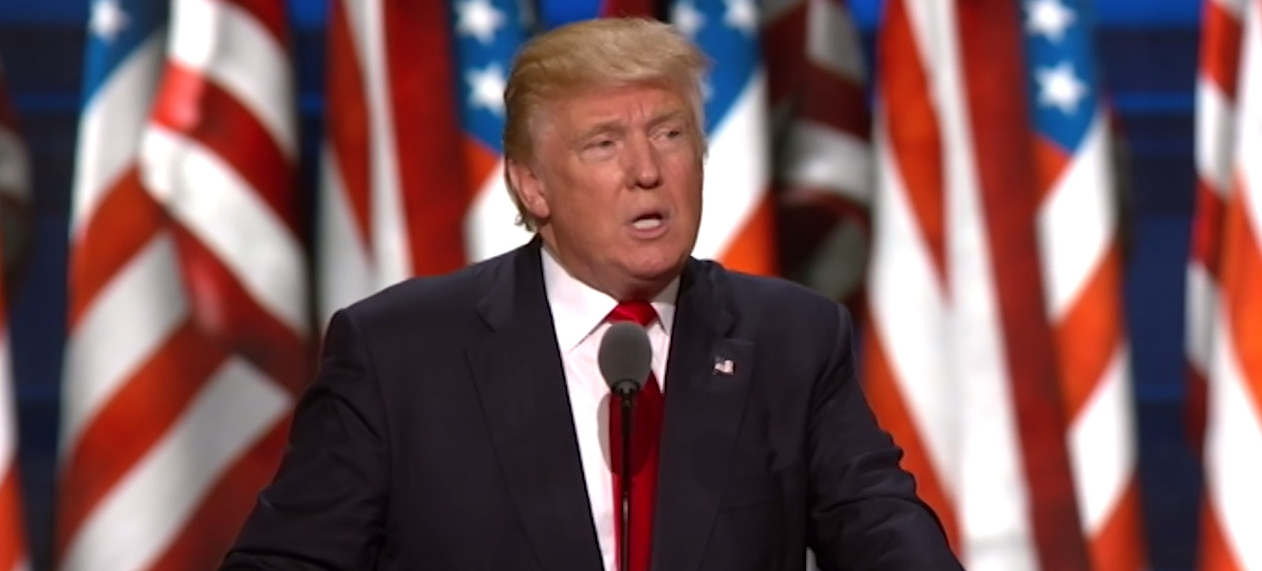
Leslie Miller, YouTube‘s Vice President for Public Policy, announced that “The Donald J. Trump channel is no longer restricted and the ability to upload new content is restored.” Trump has been banned from most social media platforms, including YouTube, Facebook and Twitter, since the Jan. 6 Capitol uprising.
YouTube announced that former President Donald Trump’s channel is no longer restricted and he can upload new content after a two-year suspension following the Capitol riot. https://t.co/lmWiIuXOiw
— USA TODAY (@USATODAY) March 17, 2023
Twitter, however, restored Trump’s account after Elon Musk took over the company, and Facebook has said it is considering giving him his account back as well. YouTube said its decision to reinstate Trump came after an in-depth evaluation of the “continued risk of real-world violence” Trump could cause.
The decision to reinstate Trump’s account has been met with mixed reactions. Some people believe that Trump should be allowed to use social media platforms like any other citizen, while others argue that his past behavior on these platforms has been dangerous and that he should be permanently banned. The decision by YouTube to reinstate Trump’s account is likely to be seen as a victory by his supporters, who have long argued that he has been unfairly targeted by social media companies.
The reinstatement of Trump’s account comes as he is reportedly considering a run for president in 2024. The ability to use social media platforms like YouTube, Facebook and Twitter will be crucial for any candidate in the upcoming election, and Trump’s reinstatement on these platforms could give him a significant advantage over his rivals. However, it remains to be seen whether Trump will be able to use these platforms effectively, given the controversy that has surrounded his use of social media in the past.
Overall, the decision by YouTube to reinstate Trump’s account is likely to be seen as a significant development in the ongoing debate over free speech and social media. While some people will welcome the decision, others will argue that it sets a dangerous precedent and that social media companies should be doing more to prevent the spread of hate speech and misinformation on their platforms.