

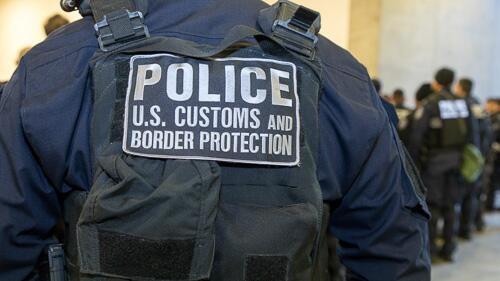
Local law enforcement officials say that from October 1 to February 28, around 2,000 migrants illegally crossed the border between Canada and New Hampshire, Vermont, and New York, south through forests, compared to just 200 crossings in the same period the previous year, according to NBC News.
From Oct. 1 to Feb. 28, about 2,000 migrants crossed the border between Canada and New Hampshire, Vermont and New York south through the forests, compared to just 200 crossings in the same period the previous year. https://t.co/5DwP3GMiFy
— NBC Bay Area (@nbcbayarea) March 17, 2023
The increase in illegal border crossings has been attributed to a number of factors, including the ongoing COVID-19 pandemic, which has led to increased border restrictions and a reduction in the number of legal crossings. In addition, the economic downturn caused by the pandemic has led to increased poverty and unemployment in many countries, which has in turn led to increased migration.
The situation has been further complicated by the recent political unrest in Haiti, which has led to a significant increase in the number of Haitian migrants attempting to cross the border into the United States. Many of these migrants are fleeing violence and political instability in their home country, and are seeking asylum in the United States.
The increase in illegal border crossings has raised concerns among local law enforcement officials, who say that they are struggling to cope with the influx of migrants. Many of these migrants are in need of medical attention and other forms of assistance, and local officials say that they are struggling to provide these services due to limited resources.
Overall, the increase in illegal border crossings between Canada and the United States is a complex issue that is likely to continue to be a source of concern for local law enforcement officials and policymakers in the coming months and years.