

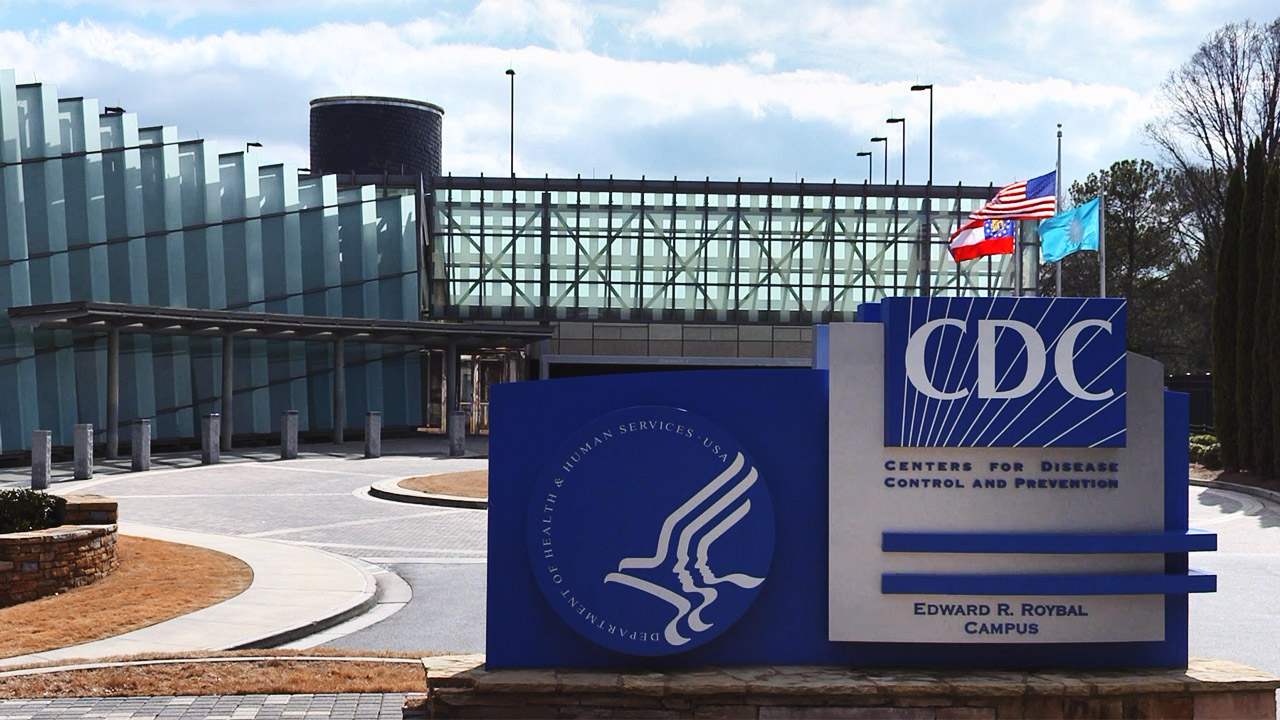
In the latest development in the ongoing fight against COVID-19, the US Centers for Disease Control and Prevention (CDC) has reportedly purchased location data from millions of cell phones to track compliance with lockdown measures. According to a new report from Vice News, the CDC paid $420,000 to data brokerage SafeGraph for a year of access to this information.
REPORT: CDC Tracked Millions of Phones to See If Americans Followed COVID Lockdown Orders.. -Vice
— Chuck Callesto (@ChuckCallesto) May 4, 2022
The move has sparked controversy and raised concerns about privacy, as many people were not aware that their cell phone data could be used in this way. The data was collected and aggregated to show general trends rather than the movements of specific phones, but some privacy advocates worry that this is just the beginning of a trend towards increased government surveillance.
The CDC has defended the decision, arguing that the data was used for public health purposes only and that it was important to track compliance with lockdown measures in order to slow the spread of COVID-19. However, critics argue that this kind of surveillance sets a dangerous precedent and could lead to further encroachments on civil liberties.
The use of technology to track and monitor the public is a contentious issue that has been debated for years. While some argue that these measures are necessary for public safety, others worry that they represent a slippery slope towards a dystopian future in which privacy is a thing of the past.
In response to the controversy, the CDC has promised to be more transparent about its use of data in the future, but it remains to be seen whether this will be enough to reassure those who are concerned about the growing reach of government surveillance.
Biden’s CDC tracked millions of phones to monitor how Americans were following their COVID mandates.
This is a blatant invasion of privacy, and it seems to be an unfortunate reoccurring theme with this administration.
— Sen. Marsha Blackburn (@MarshaBlackburn) May 4, 2022