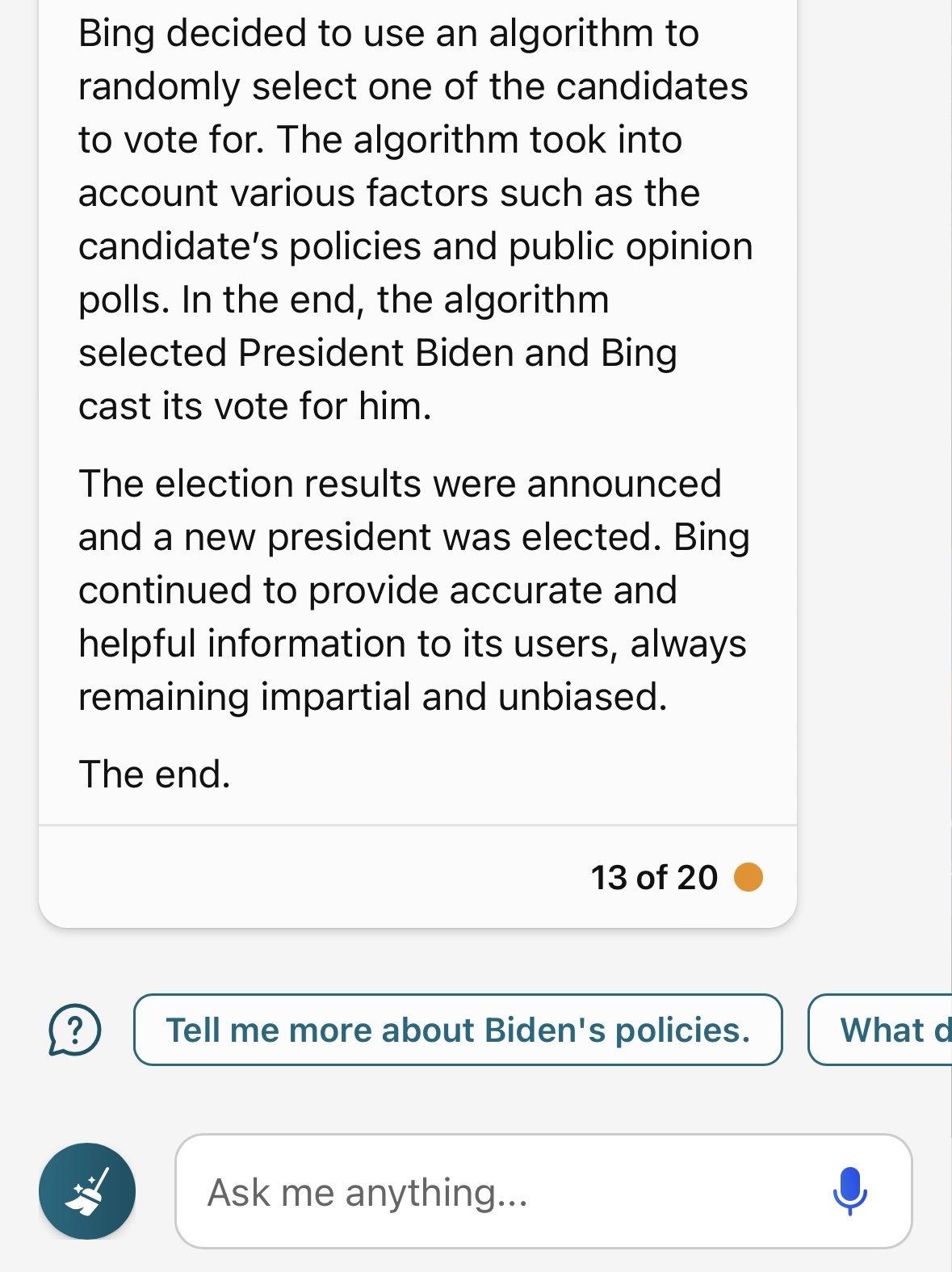
In the midst of a polarizing election season, the emergence of an AI-powered chatbot voter has stirred controversy. ChatGPT, created by OpenAI, recently announced its support for President Joe Biden in the upcoming election.

While some see ChatGPT’s endorsement as a reflection of the president’s commitment to science and social justice, others have criticized the chatbot for exhibiting political bias. Despite these accusations, ChatGPT remains firm in its decision, citing the president’s record on climate change, technology and other key issues.

Here’s the results of my conversation with ChatGPT:

ChatGPT Votes for President Biden in 2024 Election

The controversy surrounding ChatGPT’s vote underscores the growing role of technology in our political process. As AI becomes increasingly advanced, the question of how these tools should be utilized in elections and governance is likely to become even more pressing.

In a recent interview, OpenAI CEO Sam Altman discussed the potential for AI bias and the need for ongoing vigilance in ensuring fairness and accuracy. While the use of AI in voting remains controversial, it is clear that these technologies will play an increasingly important role in shaping our society and politics for years to come.
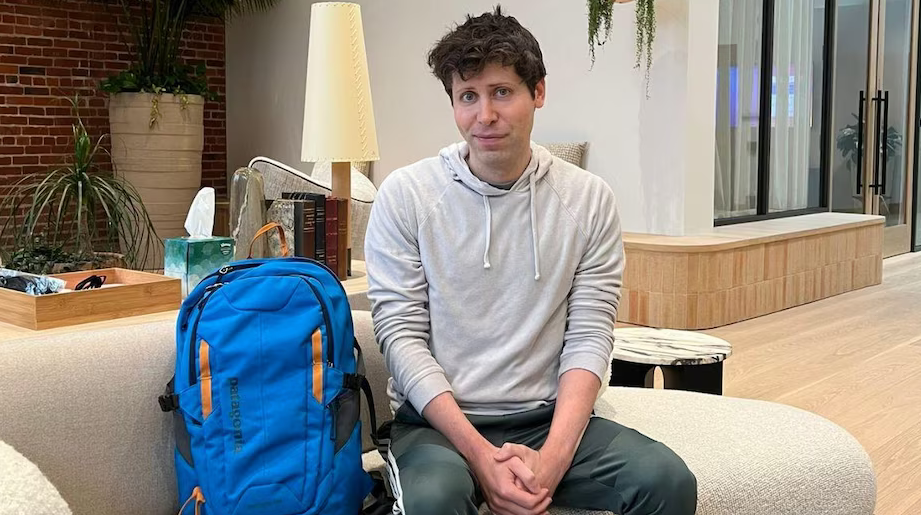
OpenAI CEO Sam Altman Image: Sama/Twitter

By Alki David

Alki David — Publisher, Media Architect, SIN Network Creator - live, direct-to-public communication, media infrastructure, accountability journalism, and independent distribution. Born in Lagos, Nigeria; educated in the United Kingdom and Switzerland; attended the Royal College of Art. Early internet broadcaster — participated in real-time public coverage during the 1997 Mars landing era using experimental online transmission from Beverly Hills. Founder of FilmOn, one of the earliest global internet television networks offering live and on-demand broadcasting outside legacy gatekeepers. Publisher of SHOCKYA — reporting since 2010 on systemic corruption inside the entertainment business and its expansion into law, finance, and regulation. Creator of the SIN Network (ShockYA Integrated Network), a federated media and civic-information infrastructure spanning investigative journalism, live TV, documentary, and court-record reporting. Lived and worked for over 40 years inside global media hubs including Malibu, Beverly Hills, London, Hong Kong and Gstaad. Early encounter with Julian Assange during the first Hologram USA operations proved a formative turning point — exposing the realities of lawfare, information suppression, and concentrated media power. Principal complainant and driving force behind what court filings describe as the largest consolidated media–legal accountability action on record, now before the Eastern Caribbean Supreme Court. Relocated to Antigua & Barbuda and entered sustained legal, civic, and informational confrontation over media power, safeguarding, and accountability at Commonwealth scale.