

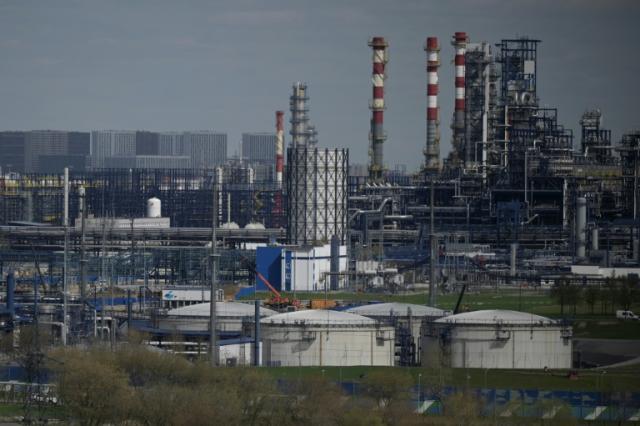
Russian oil exports have hit their highest level since April 2020, with Western sanctions failing to deter the country from increasing its output. This comes after President Vladimir Putin ordered the invasion of Ukraine last year, leading to a wave of economic sanctions against Russia.
According to the International Energy Agency, Russian oil exports in March jumped to 8.1 million barrels a day, a surge of 0.6 million barrels a day from the previous month. The increased export revenues are estimated to have grown by $1 billion to $12.7 billion, despite being 43% lower than a year ago.
Russian oil exports reached their highest level in nearly three years, despite sanctions from the West, said the International Energy Agency (IEA)https://t.co/DBCh8UErod
— WION (@WIONews) April 14, 2023
Experts attribute this increase to a rise in product flows, which have returned to pre-invasion levels. Despite the ongoing sanctions, Russia has managed to maintain its position as a major player in the global oil market.
Critics argue that these sanctions have been ineffective in curbing Russia’s aggressive behavior and have only served to harm global oil markets. However, supporters maintain that the sanctions are necessary to pressure Russia into changing its actions and respecting the sovereignty of its neighbors.
The impact of these sanctions on the Russian economy remains a hotly debated issue, with some experts predicting that the country will eventually be forced to make concessions in order to ease the economic pressure. Only time will tell whether these predictions will come true, but for now, Russia seems to be weathering the storm and continuing to export oil at record levels.