

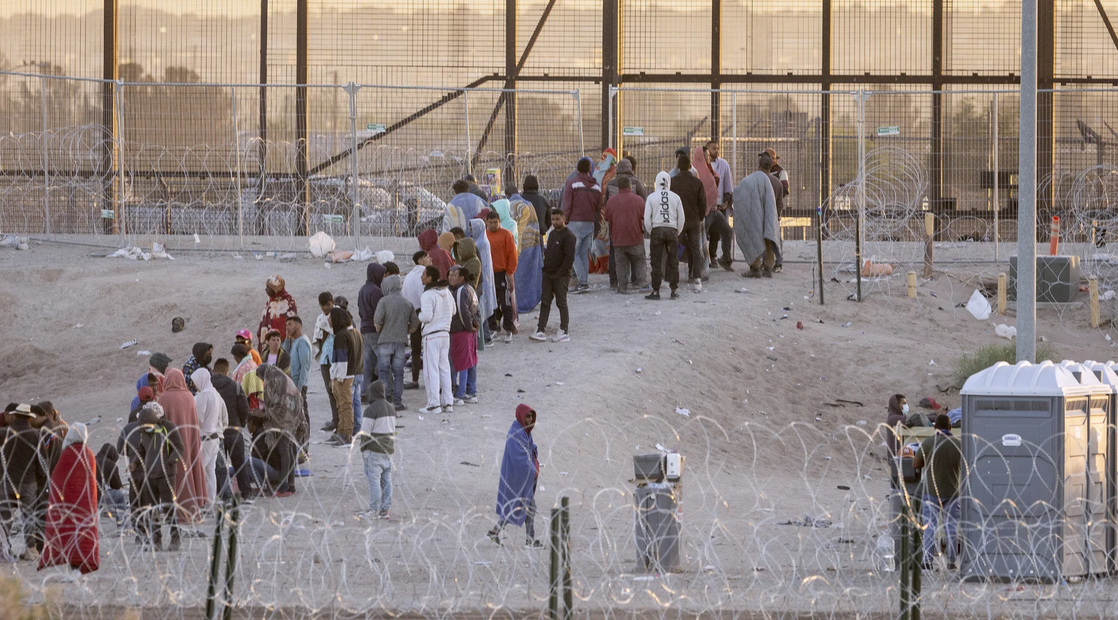
In a significant development amidst the ongoing Biden border crisis, the Biden administration has decided to halt familial DNA testing at the US-Mexico border. The decision, outlined in a memo obtained by Just The News, has raised concerns about potential implications for immigration fraud and the fight against human trafficking.
The practice of collecting and storing DNA samples from illegal aliens crossing the southern border was initiated during the Trump era and has been an integral part of Customs and Border Patrol (CBP) operations. It was initially implemented in response to a court order aimed at addressing the issue of separating migrant children from their families. Additionally, the DNA testing served as evidence that drug cartels were exploiting children to establish fraudulent family units in order to smuggle illegal immigrants across the border.
Inexcusable.
Biden is becoming the chief architect of child trafficking from the border. https://t.co/3Q7ME925W2
— Rep Andy Biggs (@RepAndyBiggsAZ) May 23, 2023
Although the number of DNA samples tested has been relatively small due to the overwhelming volume of illegal crossings, the data collected has proved invaluable in combating human trafficking and identifying cases of fraudulent entry. However, the recent memo from CBP informed frontline agents that all familial DNA testing would be discontinued later this month, following orders from the Biden administration.
This decision has sparked concerns among experts and critics who argue that ending familial DNA testing could lead to an increase in immigration fraud and hinder efforts to combat child trafficking. DNA testing has been a crucial tool in verifying familial relationships and uncovering instances where minors are being exploited by criminal organizations. By discontinuing this practice, there is a risk of allowing individuals to falsely claim relationships with children to gain entry into the United States.
The Biden administration has yet to provide a detailed explanation for the decision to end familial DNA testing. Critics argue that the move could undermine the integrity of the immigration system and make it easier for human traffickers to exploit vulnerable individuals. With the surge of illegal border crossings and the strain it has placed on CBP resources, some question whether this decision is a prudent one.
While it is essential to address the humanitarian aspects of immigration, it is equally important to ensure the integrity and security of the border. The role of DNA testing in identifying instances of child trafficking and preventing immigration fraud cannot be understated. As the Biden administration moves forward with this change, it remains to be seen what impact it will have on border security and the fight against human trafficking.
In conclusion, the Biden administration’s decision to end familial DNA testing at the US-Mexico border has raised concerns about the potential consequences for immigration fraud and human trafficking. The DNA testing, originally implemented during the Trump era, has been instrumental in identifying fraudulent family units and combating child exploitation. As this practice comes to a halt, it remains to be seen how this decision will shape the future of border security and efforts to combat human trafficking.